
TL;DR

Get travel and outdoor gear delivered free — and shop member deals
- Fast, free delivery on millions of items
- Access to Prime Big Deal Days deals on October 6–7
- Prime Video, Amazon Music and more included
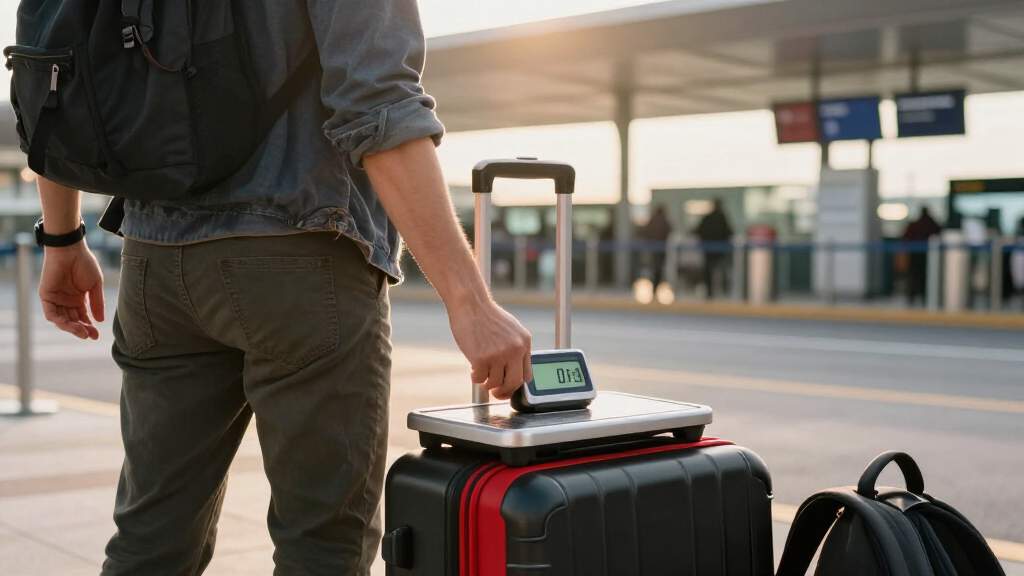
A digital luggage scale is a simple, affordable tool to avoid overweight baggage fees. Weigh your luggage at home, leave a buffer, and redistribute weight before arriving at the airport. Small mistakes can cost big money — but proper use saves it.
Ever had that sinking feeling at the check-in counter, watching your bag get flagged for being overweight? It’s frustrating — and expensive. The good news: a pocket-sized digital luggage scale can become your best travel buddy, helping you weigh your bags accurately before reaching airport scales.
With airline fees climbing into hundreds of dollars for excess baggage, knowing your luggage’s weight in advance is a game-changer. This guide walks you through how to use a digital scale effectively, what limits to watch for, and how to pack smarter — saving money and stress on every trip.
Always weigh your luggage at home before heading to the airport to avoid last-minute surprises.
Leave a buffer of 1–2 lb (0.5–1 kg) below airline limits to account for scale variance and small errors.
Redistribute heavy items into your carry-on or wear them to keep checked luggage within limits.
Maintain your scale’s accuracy by replacing batteries regularly and zeroing out before use.
Understanding your airline’s exact weight limits helps you pack smarter and avoid costly fees.
Weigh It at Home.
Skip the Fee.
Airport check-in scales are calibrated — and they are the final word. A pocket-sized digital luggage scale lets you catch an overweight bag before the counter does, turning a $50–$200 surprise into a non-event. This is how to use one like a pro.
Most airline overweight fees run $50 to $200 per bag — so a $15 scale can pay for itself up to 10× on a single trip.
Use Your Scale Like a Pro — 5 Moves
A hanging-style digital scale is only as good as your technique. Small errors at home become big fees at the airport — this sequence eliminates them.
Attach Right
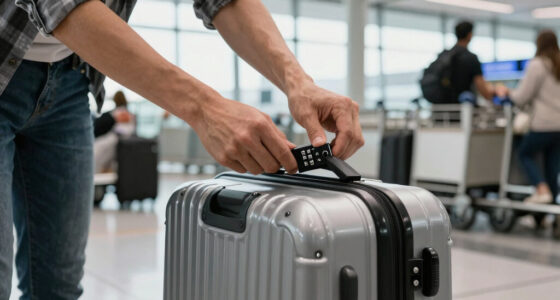
Loop the strap or hook through the main luggage handle — never the telescoping handle, which can bend or break.
Lift Steady
Use both hands if needed, keep the bag still, and wait for the beep — jerky lifts corrupt the reading.
Tare It
Zero the scale with the empty suitcase first (7–12 lb / 3–5 kg) so you measure the load, not the bag.
Check Units
Confirm you are weighing in lb or kg — matching your airline. The wrong unit is a classic, costly mistake.
Leave a Buffer
Stop packing 1–2 lb (0.5–1 kg) under the limit to absorb scale variance between home and airport.
How Heavy Can Your Bag Be?
Limits differ by cabin, route, and carrier — and exceeding them means fees, a forced repack at the counter, or an outright refused bag.
| Bag Type | Typical Limit | Enforcement | Fee Risk |
|---|---|---|---|
| Economy checked bag Piece concept, most routes |
50 lb / 23 kg | Calibrated airport scales — disputes rarely win | ✗ High — $50–$200+ |
| Premium cabin / international | 70 lb / 32 kg | Same scales, higher allowance | ~ Moderate |
| Hard ceiling Handler safety rule, most airlines |
32 kg / 70 lb max | Over the ceiling → refused or shipped as cargo | ✗ Bag refused |
| US carry-on Most major carriers |
Often no weight limit | Size check only | ✓ Low |
| Budget carry-on Ryanair, easyJet, Spirit, AirAsia… |
15–22 lb / 7–10 kg | Gate-side weighing, incl. personal items | ✗ Steep gate fees |
At 48.5 lb you glide under a 50 lb limit even if the airport scale reads slightly high. At 52 lb you are paying or repacking. Weigh first — then decide.
A $15 Tool Against a $200 Fee
Checked-bag fees keep climbing — major US carriers moved first-bag fees into the $35–$45 range in 2024, with overweight penalties far above that.
- Fresh battery: swap the CR2032 before big trips — low power degrades accuracy.
- Tare every time: zero with the empty suitcase, then weigh it packed.
- Weigh twice: trust the locked beep, not a bouncing mid-lift number.
- Match units: lb or kg must mirror your airline’s published limit.
Less precise and awkward for heavy bags — but workable in a pinch. Round down before you trust it.
Bag Overweight? 4 Smart Moves
Your checked bag hits 53 lb at home — or worse, at the counter. Before you hand over $75, run this playbook.
Redistribute
Shift dense items — shoes, books, toiletries, chargers, denim — into your carry-on or personal item.
Wear the Weight
Boots, jackets, and layers fly free on your body. Multi-pocket vests take it even further.
Prepay Online
Extra weight or an extra bag bought in advance is almost always far cheaper than airport-counter prices.
Ship Ahead
On long trips, cargo or courier services for heavy souvenirs often beat overweight fees entirely.
From Suitcase to Zero Fees
Why Your Home Digital Scale Is Your Best Travel Hack
Most airline check-in scales are calibrated and rarely lie. They’re the final word. Weighing at home with a digital scale lets you catch overweight bags before you get to the counter. This saves you money, time, and the embarrassment of unpacking in front of a line.
For example, a typical digital luggage scale costs between $10 and $25. It’s small enough to pack, and you can weigh your bag accurately to the nearest 0.1 lb. No more guessing if your suitcase is 49 or 52 pounds — which can mean the difference between an extra fee or a smooth check-in.
Plus, weighing at home lets you redistribute weight. Imagine shifting heavy shoes or toiletries into your carry-on, so your checked bag stays within limits. It’s a simple step that often pays for itself in avoided fees. This proactive approach not only prevents unexpected charges but also gives you control over your packing strategy, allowing you to make tradeoffs and prioritize essential items versus weight-heavy extras.
As an affiliate, we earn on qualifying purchases.
How to Use Your Digital Scale Like a Pro in 5 Easy Steps
- Attach the strap or hook through your luggage handle — not the telescoping handle, which can be damaged. Ensuring a secure attachment prevents slipping or inaccurate readings during weighing, which could lead to underestimating your bag’s weight and facing overweight fees later.
- Lift steadily using both hands if needed, and wait for the reading to lock (most units beep). A smooth, controlled lift minimizes fluctuations in the measurement, giving you a reliable number to work with and reducing errors caused by jerky movements.
- Zero out or tare the scale with an empty bag to account for the suitcase weight itself (7–12 lb / 3–5 kg). Taring ensures you’re measuring only the contents, which is crucial for accuracy — especially if your suitcase has built-in handles or wheels that add slight weight.
- Check the units — ensure you’re weighing in lb or kg, matching your airline’s limits. Consistency in units prevents confusion and accidental oversights, which can lead to unnecessary fees or misjudged packing decisions.
- Leave a buffer of 1–2 lb (0.5–1 kg) below the limit to account for scale variance and small errors. This buffer acts as a safety margin, ensuring you stay within weight restrictions even if the scale isn’t perfectly calibrated or if your measurements fluctuate slightly.
Imagine weighing your bag, realizing it’s 48.5 pounds — perfect to stay under a 50 lb limit, even if a quick weigh at the airport shows slightly more. Small steps, big savings. This method encourages deliberate packing, making you aware of how each item contributes to the total weight and helping you decide what’s essential versus optional.
As an affiliate, we earn on qualifying purchases.
Knowing the Real Limits: How Heavy Can Your Bag Be?
Understanding airline weight limits is key because exceeding them can lead to costly fees or even the outright refusal to accept your bag. Most economy checked bags are capped at 50 lb / 23 kg, which is a standard that many travelers aim to stay within to avoid surprises. For premium cabins or international flights, limits can be higher, often up to 70 lb / 32 kg, but these are exceptions rather than the rule.
Many airlines enforce a strict 32 kg / 70 lb ceiling on checked bags — bags over that may have to be shipped as cargo, which can be expensive and inconvenient. Carry-on limits vary wildly: some US carriers impose no weight limit, relying solely on size restrictions, while budget airlines like Ryanair enforce strict 15–22 lb (7–10 kg) limits. Recognizing these differences is vital because it influences your packing choices and whether you need to pay extra or reconfigure your luggage.
For instance, if your bag weighs 52 lb, you’re at risk of paying extra or having to repack at the airport. Weigh it first, then decide whether to lighten or pay the fee. Knowing these numbers allows you to make informed decisions, balancing the tradeoff between packing more and paying more, and ultimately reducing the stress and potential costs of overweight baggage.
As an affiliate, we earn on qualifying purchases.
What To Do When Your Bag Is Overweight — 4 Smart Moves
- Redistribute weight: Shift dense items like shoes, books, or toiletries into your carry-on or personal item. This redistribution is crucial because it directly impacts your ability to stay within weight limits without sacrificing essential items, and it helps balance the load for easier handling and better weight distribution.
- Wear your heaviest clothing: Boots, jackets, and layered outfits can lighten your luggage if worn during travel. This tactic not only saves space but also reduces the weight of your checked bag, giving you flexibility in packing other essentials without incurring extra fees.
- Prepay or upgrade: Pay online for extra weight or consider an upgraded fare with higher allowances — usually cheaper than airport fees. This option is practical for frequent travelers or when packing for long trips, as it offers peace of mind and cost savings by avoiding last-minute charges.
- Ship ahead or use cargo services: For long trips or heavy souvenirs, shipping items in advance often beats overweight fees. This approach is especially valuable when you need to carry bulky or fragile items that would push your weight over the limit, giving you more control and reducing stress at the airport.
Imagine you’re at the airport and your checked bag hits 53 lb. Instead of paying $75 for extra weight, you wear your heavy boots and pack a few clothes into your carry-on. This simple adjustment not only saves money but also keeps your luggage manageable and balanced, making travel smoother and more economical.
As an affiliate, we earn on qualifying purchases.
Accuracy Matters: Tips to Keep Your Scale Precise
Quality digital scales are accurate to about ±0.1 lb / 50 g. But accuracy can drop if batteries are low or if you don’t zero out properly. Regularly check and replace batteries—most commonly CR2032 coin cells—to ensure your scale’s readings remain trustworthy. A low battery can cause misreadings, leading you to underestimate your luggage’s weight and risk overweight fees.
For best results, weigh your empty suitcase first, then weigh it with packed items. Subtracting the empty weight from the total gives you a reliable measure of your load. This method compensates for any calibration drift or minor inaccuracies in the scale, providing a more precise assessment of your luggage’s weight. It’s especially important when close to the limit, as small measurement errors could push you over or under the threshold.
Imagine weighing yourself with your packed bag — it’s less precise, but in a pinch, it helps verify if you’re close to the limit. Regular calibration and consistent weighing techniques ensure your measurements stay trustworthy, helping you avoid surprises at the airport and unnecessary fees.
Compare Common Digital Scales — Which One Fits Your Travel Style?
| Model | Capacity | Accuracy | Weight | Price Range |
|---|---|---|---|---|
| BagSmart Digital Scale | 110 lb / 50 kg | ±0.1 lb / 50 g | 3 oz | $10–$15 |
| Etekcity Digital Hanging Scale | 110 lb / 50 kg | ±0.1 lb / 50 g | 4 oz | $12–$20 |
| Travelready Digital Luggage Scale | 100 lb / 45 kg | ±0.2 lb / 100 g | 3.5 oz | $15–$25 |
Selecting the right scale depends on your travel habits and priorities. If you frequently pack heavy or travel internationally, investing in a higher-capacity, more accurate model ensures you won’t be caught off guard. For casual or occasional trips, affordability and portability might be more important, allowing you to choose a lightweight, budget-friendly option that still provides reliable measurements. Ultimately, the right scale balances precision, durability, and convenience based on your specific travel needs, helping you avoid overweight fees and pack smarter.
Frequently Asked Questions
How accurate are digital luggage scales compared to airport scales?
Most quality digital luggage scales are accurate within ±0.1 lb / 50 g, which is close enough to catch overweight bags before reaching the airport. Keep in mind, airport scales are calibrated regularly, so weighing at home gives you a reliable estimate.
What is the checked baggage weight limit for my airline/route?
Most economy checked bags are limited to 50 lb / 23 kg. Premium cabins often allow up to 70 lb / 32 kg. Always check your airline’s specific policies before packing, as rules vary by carrier and route.
Is it cheaper to pay for an extra bag or to overpack and pay overweight fees?
Prepaying for an extra bag online is often 20–50% cheaper than paying overweight fees at the airport. Consider your packing plan early to optimize costs and avoid last-minute expenses.
Can I use a bathroom scale instead of a digital luggage scale?
Yes, but it’s less precise. Weigh yourself first, then weigh yourself holding the bag, and subtract your weight. This works in a pinch but isn’t ideal for frequent travelers who need accuracy.
Should I weigh my carry-on or personal item too?
Absolutely. Many airlines weigh carry-ons and personal items at the gate or check-in counter. Knowing their weight helps you avoid surprises and pack efficiently.
Conclusion
Armed with a reliable digital scale and these simple tips, you can confidently pack to stay within limits — and avoid those pesky overweight fees. A little prep goes a long way in smooth, stress-free travel.
Imagine stepping onto the plane knowing your bags are perfectly balanced, your wallet intact. That’s the power of smart weighing — travel lighter, pay less, enjoy more.
Fall Picks
fall essentials
As an affiliate, we earn on qualifying purchases.