
TL;DR
Listen free for 30 days with Audible
Thousands of audiobooks and originals — cancel anytime.
Start your free trialAs an affiliate, we earn on qualifying purchases.
Regular cleaning and careful maintenance of your travel luggage can extend its life from 3–5 years to 10–20 years. Focus on wheels, zippers, shells, and interior to prevent common failures.
Imagine your suitcase on the trunk of a car, battered from years of travel. Now picture it looking brand new, ready for dozens more trips. That’s what proper maintenance can do. Your investment in quality travel gear deserves more than just a quick wipe before packing. It needs a routine, a plan to keep it performing at its best.
In this guide, you’ll learn straightforward steps to clean, repair, and care for your luggage—whether it’s a sleek hard-shell or a soft fabric bag. Think of it as giving your travel partner the TLC it needs to go the distance, trip after trip. Ready? Let’s turn that battered suitcase into a travel warrior that lasts decades.
Regularly clean wheels, zippers, and shells with gentle products to prevent wear and tear.
Reapply fabric water-repellent sprays periodically to keep soft luggage resistant to stains and moisture.
Lubricate wheels and handles with silicone spray to maintain smooth operation and prevent breakage.
Store luggage in a dry, well-ventilated space, slightly unzipped for airflow, to avoid mold and warping.
Inspect and fix small issues immediately—like stuck zippers or loose handles—to avoid costly repairs.
How to Maintain and Clean Your Travel Luggage for Longevity
A few minutes of consistent care can transform a battered suitcase into a dependable travel partner. Protect the wheels, zippers, shell, lining and storage environment—and quality luggage can keep moving for decades.
Dirt, moisture and small unrepaired faults compound quickly.
Routine cleaning and early repairs can multiply useful life.
Maintenance protects both performance and replacement budget.
Remove hair, thread and grit before bearings seize.
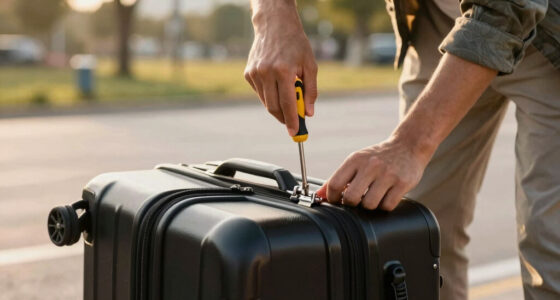
Clean, lubricate and never force a stuck slider.
Dry fully to prevent mildew, odors and fabric damage.
Keep cool, ventilated, upright and out of direct sun.
Small habits. Years of added service.
Dust, grit, moisture and neglect cause most everyday luggage failures. Cleaning high-wear parts every few trips reduces friction, catches damage early and helps prevent a minor fault from becoming an airport breakdown.
Indicative lifespan in years. Actual performance varies by construction quality, travel frequency, handling and repair availability.
Potential lifespan versus a poorly maintained bag at the upper end of each range.
Note: many long-term warranties exclude ordinary wear, accidental damage or neglect.Clean the material—not just the mess.
Hard shells and woven fabrics fail in different ways. Match the method to the surface, test products discreetly and follow the manufacturer’s care instructions whenever they are available.
| Material | Safe routine | Stubborn marks | Avoid | Key risk |
|---|---|---|---|---|
| Polycarbonate / ABSHard shell | ✓ Warm water, mild dish soap and a soft cloth | ~ Gently buff scuffs with a damp melamine sponge | ✗ Acetone, alcohol cleaners and abrasive pads | Clouding, crazing, scratches and UV degradation |
| AluminumHard shell | ✓ Damp soft cloth followed by thorough drying | ~ Treat dents as cosmetic unless function is affected | ✗ Aggressive polishing or harsh chemicals | Surface marks and cosmetic dents rather than cracks |
| Nylon / PolyesterSoft side | ✓ Spot-clean with diluted mild detergent and soft brush | ~ Reapply fabric water repellent after cleaning | ✗ Machine washing unless explicitly approved | Coating loss, weakened seams, stains and mildew |
| Antimicrobial liningInterior | ✓ Vacuum, then spot-clean gently with diluted detergent | ~ Use baking soda or charcoal for residual odors | ✗ Bleach, soaking and prolonged direct sunlight | Damage to treatment, foam padding and adhesives |
Give the workhorses extra attention.
The shell gets noticed first, but moving parts and hidden moisture usually determine whether a bag remains dependable. Inspect these zones after every journey.
Clear the grit before it grinds.
Hair and thread wrap around axles, while grit collects inside telescoping handle channels. Both increase resistance and accelerate breakage.
Reduce friction—never add force.
Zipper wax, graphite or a suitable silicone lubricant keeps the slider moving and reduces stress on teeth, coils and stitching.
Remove crumbs, moisture and odor.
Trapped moisture encourages bacteria and mildew, especially inside foam-backed panels and pockets that dry slowly.
Restore the protective barrier.
Ballistic nylon, Cordura and polyester benefit from periodic water-repellent treatment after dirt and old residue have been removed.
A simple routine that prevents compound damage.
Complete the sequence soon after arriving home. Dirt is easier to remove before it settles, and small problems are easier to repair before the next departure.
Empty
Check every pocket. Remove damp items, food, receipts and loose debris.
Vacuum
Lift crumbs, sand and grit from lining seams, pockets and corners.
Wipe
Clean the shell, wheels and handles using material-safe products.
Inspect
Test the wheel roll, handle extension, zippers, seams and fasteners.
Dry + store
Air completely, loosen straps and leave the main zipper slightly open.
Use a plastic-safe silicone lubricant sparingly. Avoid general-purpose petroleum sprays on plastic parts: residue can attract more dirt and may affect some polymers.
When to clean, inspect and repair.
Frequency depends on how often and where you travel. Sand, rain, baggage holds and rough pavement call for immediate attention; water-repellent coatings need periodic rather than constant renewal.
From every trip to every few months
Use condition as the final guide. A bag exposed to salt, mud or heavy rain should be cleaned and dried immediately.
Empty, vacuum, wipe high-contact surfaces, remove wheel debris and dry fully.
Lubricate zippers as needed, clean handle channels and inspect seams, pulls, screws and wheel alignment.
Refresh compatible fabric water repellent when beading declines; inspect stored bags for odor, moisture or warping.
Roll every wheel, fully extend the handle and test all main zippers before packing.
The longevity chain
Care creates a connected cycle: cleaner components move with less resistance, early inspections reveal repairable faults, and dry storage preserves the result.
Put it away clean, dry and breathing.
Long-term storage can quietly damage luggage. Heat and sunlight age plastics, sealed covers trap humidity, compressed fabric loses shape and heavy stacking may warp shells.
Store upright in a ventilated area, away from direct sunlight and radiators.
Use a dust bag or breathable cover and leave the zipper slightly open.
Do not compress soft bags or load heavy objects onto shells for long periods.
Relax compression straps so elastic, buckles and webbing do not remain stressed.
Why Regular Maintenance Turns Your Luggage Into a Long-Term Investment
Your luggage is a significant purchase—often costing between $150 and $800+. Proper care can stretch its lifespan from 3–5 years to 10–20 years. The biggest enemies are dust, grit, moisture, and neglect. These cause wheels to seize, zippers to break, and fabrics to weaken.
For example, a traveler who cleans their wheels and zippers every few trips will notice fewer breakdowns and repairs. Most failures are preventable, especially with routine inspections. Maintenance isn’t just about looking good—it’s about preserving your investment and your peace of mind.
Neglecting regular upkeep might seem minor at first, but over time, small issues compound. A wheel that seizes or a zipper that breaks might seem like isolated problems, but they often indicate deeper wear that, if caught early, can be repaired or prevented altogether. The tradeoff is clear: investing a few minutes regularly can save hundreds in repairs and replacements later.
As an affiliate, we earn on qualifying purchases.
How to Clean Hard-Shell Suitcases Without Damaging the Finish
Hard-shell luggage like polycarbonate or aluminum needs gentle cleaning. Use warm water mixed with a few drops of mild dish soap and a soft cloth or sponge. For stubborn scuffs, a melamine sponge (Magic Eraser) works wonders—gently buff the surface.
Avoid harsh chemicals like acetone or alcohol-based cleaners, which can cloud or craze the plastic. If your black polycarbonate shell has minor scratches, buffing with a melamine sponge can restore its sleek look. Aluminum shells may dent but rarely crack; minor dents are often cosmetic and add character.
For example, a traveler with a dark polycarbonate suitcase noticed scratches after a trip. A gentle buff with a Magic Eraser made it look almost new—saving a repair bill.
Why this matters: gentle cleaning preserves the integrity of the finish, preventing degradation over time. Harsh chemicals can weaken or discolor the surface, reducing the suitcase’s aesthetic appeal and possibly its structural strength. A well-maintained shell not only looks better but also better resists cracking or clouding, which can compromise protection for your belongings.
soft luggage water-repellent spray
As an affiliate, we earn on qualifying purchases.
As an affiliate, we earn on qualifying purchases.
How to Care for Soft-Sided Luggage: Spot Cleaning and Water Repellent Tips
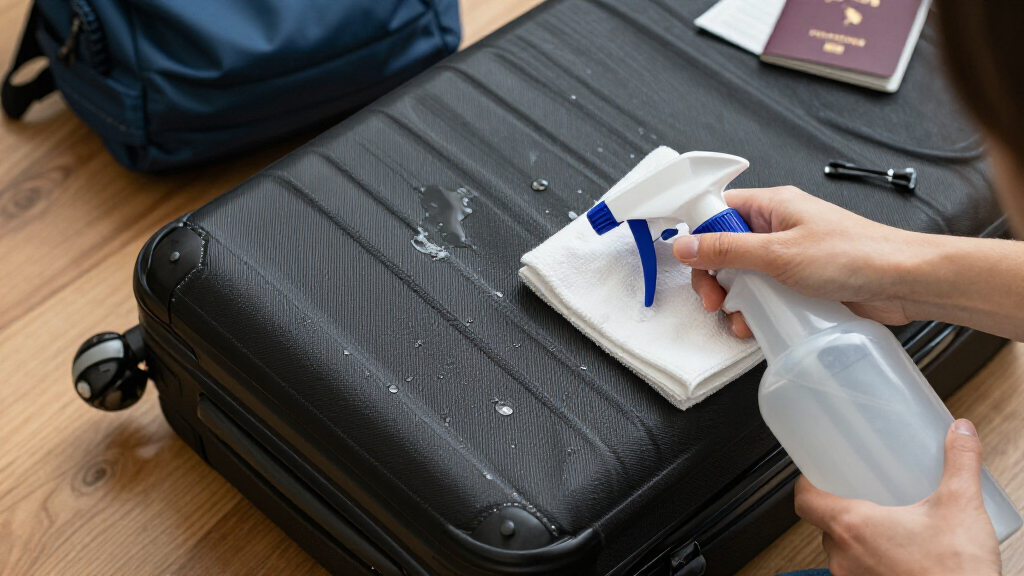
Soft-sided luggage like nylon or polyester benefits from spot cleaning with mild detergent. Use a damp cloth or soft brush to remove dirt. Avoid machine washing unless the manufacturer explicitly says it’s okay—machine cleaning can strip coatings or weaken seams.
Reapply a fabric water-repellent spray every few months. This keeps fabrics like Cordura or ballistic nylon resistant to stains and water. A quick spray after cleaning helps restore the durable finish. Be vigilant about moisture—mold and mildew are the biggest threats to soft luggage.
Why this matters: soft fabrics are more susceptible to water damage, staining, and mold growth. Regular spot cleaning prevents dirt from embedding into fibers, which can cause fabric breakdown over time. Reapplying water-repellent coatings adds an extra layer of protection, especially in humid environments or after exposure to rain. Neglecting these steps can lead to fabric weakening, odor buildup, and mold, all of which shorten your luggage’s lifespan.
For example, a frequent traveler stored their soft bag in a damp closet. Regularly spraying with a water-repellent and drying thoroughly kept it mildew-free for years.
luggage wheel lubricant silicone spray
As an affiliate, we earn on qualifying purchases.
As an affiliate, we earn on qualifying purchases.
Keeping Wheels and Handles Smooth and Damage-Free
Wheels and telescoping handles are the workhorses of your luggage. They gather hair, grit, and thread that seize bearings and channels. After each trip, remove debris with tweezers and wipe with a damp cloth.
Apply a silicone-based lubricant—never WD-40 on plastics—to keep wheels rolling smoothly. Use it sparingly; a little goes a long way. Grit in the handle channels is a common cause of sticking or bending handles. Regular cleaning and lubrication prevent much of this wear and tear.
For example, a traveler’s handle started sticking after a long trip. A quick application of silicone spray and a wipe of the channels restored full extension and smooth operation.
Why this matters: smooth wheels and handles are essential for effortless travel. Dirt and grit can cause bearings to seize, leading to wheel failure or handle breakage. Lubrication not only ensures smooth movement but also reduces the risk of wear-induced cracks or breaks. Regular maintenance prevents costly replacements and keeps your luggage functioning properly for years.
travel suitcase zipper repair tools
As an affiliate, we earn on qualifying purchases.
As an affiliate, we earn on qualifying purchases.
Zipper TLC: Lubricating, Repairing, and Preventing Breakage
Zippers are the Achilles’ heel of many suitcases. To keep them working, lubricate with zipper wax, silicone spray, or even a graphite pencil. This reduces friction and prevents sticking. If a zipper gets stuck, back it up, clear fabric from the teeth, and gently work it free.
Self-repairing coil zippers often respond to running the slider back and forth. For persistent issues, replacing a worn slider or pull tab is simple if you buy the right parts. Regular lubrication can prevent most zipper failures.
Why this matters: zippers are under constant stress—pulling, twisting, and exposure to dirt. Lubrication minimizes friction, reducing wear and tear that can cause them to seize or break. Repairing minor issues early, like replacing sliders or cleaning teeth, prevents more extensive damage that might require replacing the entire zipper or bag. Proper zipper maintenance ensures your luggage remains secure and functional trip after trip.
For example, a traveler’s zipper started catching. Applying a silicone lubricant and working it back and forth freed the teeth—no need for replacement.
How to Deodorize and Keep the Interior Fresh
Interior odors are common—think damp cloth or leftover snacks. Regularly vacuum the lining and spot-clean stains with diluted detergent. To combat smells, leave the bag open in indirect sunlight overnight or place baking soda or activated charcoal sachets inside.
Why this matters: odors are often caused by trapped moisture, mold, or bacteria. Regular cleaning and airing out prevent these issues, maintaining a fresh smell. Using baking soda or charcoal absorbs residual moisture and odors, which is especially important if the luggage is stored in humid environments. Neglecting interior care can lead to persistent smells and potential mold growth, degrading the interior fabric and making the bag less pleasant to use.
A traveler who stored their bag in a humid closet found baking soda overnight kept it smelling fresh for years.
Smart Storage Tips to Prevent Warping and Mold
Proper storage keeps your luggage in peak condition. Store in a cool, dry place, preferably upright. Use a breathable dust cover—sealed plastic traps moisture, encouraging mold and warping.
Loosen compression straps to prevent elastic fatigue. Keep shells slightly unzipped for airflow. Avoid stacking heavy items or nesting soft bags long-term, which can deform shells or weaken fabrics.
Why this matters: correct storage minimizes stress on the materials, preventing warping, cracking, and mold growth. Proper airflow and avoiding excessive compression preserve the shape and structural integrity of your luggage, extending its usable life. Neglecting storage best practices can lead to deformation that’s costly to repair and can compromise the protective features of your bag.
A traveler stored their hard-shell suitcase in a closet with good airflow, checking it every few months. No warping or mold—just ready for the next trip.
Pre- and Post-Trip Habits to Keep Your Luggage in Top Shape
Make it a habit: before packing, test all handles and wheels. Look for signs of wear and fix small issues. After each trip, empty the bag completely, vacuum crumbs, wipe down surfaces, and inspect for damage.
Post-trip care includes cleaning zippers, handles, and seams—preventing dirt buildup that leads to failures. These small steps keep your luggage performing well over many years.
Why this matters: routine inspection and cleaning catch minor issues early, preventing them from becoming major repairs. Small habits like wiping down surfaces and checking for loose parts can significantly extend the life of your luggage by avoiding corrosion, fabric wear, or broken components. Consistency in these habits ensures your travel companion remains reliable for countless journeys.
For example, a frequent traveler gets into the habit of inspecting and cleaning their bag after every trip, catching minor issues early and avoiding costly repairs later.
Frequently Asked Questions
Can I put my suitcase in the washing machine?
Most suitcases—especially hard-shell and soft-sided models—should not go in the washing machine. Instead, spot-clean with mild detergent and water. Always check the manufacturer’s care instructions first.
How do I get scuff marks off a hard-shell suitcase?
Use a melamine sponge or Magic Eraser gently on dark or scratched areas. For stubborn marks, a small amount of mild dish soap with water can help. Avoid abrasive pads or harsh chemicals that damage the finish.
Why do my suitcase wheels stop rolling smoothly, and how do I fix them?
Wheels seize from hair, grit, and dried lubricant. Remove debris with tweezers, wipe with a damp cloth, and apply a silicone-based lubricant. Regular cleaning prevents squeaks and sticking.
How do I remove a musty or mildew smell from inside my luggage?
Vacuum the lining thoroughly. Leave the bag open in indirect sunlight overnight, or place baking soda or activated charcoal inside for a few hours. These absorb moisture and odors effectively.
What’s the best lubricant for a sticky telescoping handle or zipper?
Use a silicone spray or zipper-specific lubricant. Apply sparingly—work it into the channels or teeth with a small brush or cloth. This keeps parts moving smoothly without attracting dirt.
Conclusion
Care isn’t just about appearances—it’s about making your luggage last longer, perform better, and save money. A little routine maintenance, a few smart cleaning tricks, and proper storage turn a disposable bag into a travel companion for decades.
Next time you pack, think of your luggage as a partner. Treat it well, and it’ll carry you through countless adventures. Your future self will thank you for the effort.
Flea & tick season Picks
flea and tick prevention
As an affiliate, we earn on qualifying purchases.