
TL;DR

Get travel and outdoor gear delivered free — and shop member deals
- Fast, free delivery on millions of items
- Access to Prime Big Deal Days deals on October 6–7
- Prime Video, Amazon Music and more included
Weather damage during transit can ruin your trip. Using waterproof luggage, protective covers, and smart packing can prevent moisture from wrecking your belongings. These tips help you stay dry, wherever you’re headed.
Picture this: your suitcase rolls off the baggage carousel, soaked through after a sudden downpour. It’s a nightmare. Protecting your luggage from weather damage isn’t just about avoiding mess; it’s about keeping your trip stress-free and your belongings intact. Whether you’re facing rain, snow, or just damp airport conditions, knowing how to shield your suitcase makes all the difference.
In this guide, you’ll learn exactly what gear and techniques prevent water from sneaking into your luggage. Think waterproof fabrics, smart packing tips, and the latest tech innovations — all focused on your travel peace of mind.
Choose hard-shell, waterproof luggage with sealed seams for maximum protection.
Use elasticized, weatherproof covers to shield your suitcase during rain or snow.
Pack valuables in sealed, waterproof bags inside your suitcase for extra safety.
Handle luggage carefully and store it away from water-prone areas during transit.
Stay informed with weather alerts and consider tech innovations like nanotech fabrics.
Choose the Right Luggage Material for Weather Resistance
Not all suitcases are created equal when it comes to weather protection. Hard-shell cases made from polycarbonate or ABS plastic naturally resist water better than soft-sided bags. Look for luggage labeled as waterproof or water-resistant. Waterproof luggage features sealed seams and waterproof zippers, creating a barrier against rain and snow.
For example, a polycarbonate suitcase with sealed zippers and rubberized corners can shrug off a sudden shower during a terminal transfer, while a soft nylon bag might soak through in minutes.
Choosing weather-resistant material isn’t just about keeping dry; it’s about durability and peace of mind. Hard-shell cases tend to be more resistant to punctures and tears, which is crucial if your luggage is subjected to rough handling or unexpected impacts during transit. However, they can be heavier and less flexible in packing. Soft-sided bags, while lighter and more flexible, often require additional protective measures like covers or liners to match the protection of hard-shell options. The tradeoff is weight versus protection, so consider your travel context when selecting your luggage material.
As an affiliate, we earn on qualifying purchases.
Use Protective Covers to Keep Your Luggage Dry
Protective luggage covers are game-changers. They slip over your suitcase like a raincoat, shielding it from moisture and dirt. Elasticized covers fit snugly, blocking rain, snow, and splashes. Research indicates that covers can cut water penetration by up to 80% during heavy rain.
But their real value lies in their ability to provide an additional barrier, especially when your luggage is exposed to unpredictable weather or rough handling. A well-fitted cover prevents water from seeping into zippers and seams, which are common entry points for moisture. Moreover, covers can protect against dust, mud, and scratches, preserving your luggage’s appearance and structural integrity over multiple trips.
Choosing the right cover isn’t just about size—consider the material’s breathability. Some covers trap moisture and can cause condensation, which might be counterproductive. Eco-friendly, biodegradable options are also available, reducing environmental impact. Reusability and ease of cleaning are additional factors that influence long-term value. Remember, a cover tailored to your luggage size ensures maximum protection, but the key is also understanding that covers are a supplementary measure—they work best when combined with sturdy, weather-resistant luggage material.
As an affiliate, we earn on qualifying purchases.
Pack Smart to Prevent Moisture Damage Inside Your Suitcase
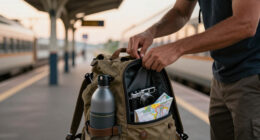
Even the sturdiest luggage can’t stop water if your packing isn’t strategic. Use sealed plastic bags, dry packs, or waterproof pouches inside your suitcase to protect valuables. Think of it as a second line of defense.
But why is internal packing so critical? Because moisture can penetrate through small openings or seams, and condensation can form inside if your luggage is exposed to temperature fluctuations. Sealed waterproof bags create a sealed environment, preventing water from contacting your belongings directly. This is especially important for electronics, documents, or delicate items that can be damaged by even small amounts of moisture.
Layering clothing with moisture-wicking fabrics not only helps keep items dry but also speeds up drying if moisture does get in. Avoid loosely packed items that can shift and expose contents to potential leaks. Using a 10-liter dry bag or similar container ensures that even in a soaked environment, your valuables stay dry. This internal packing approach reduces the risk of damage and helps you quickly recover from unexpected weather challenges, making your entire trip more resilient against the elements.
As an affiliate, we earn on qualifying purchases.
Handle and Store Your Luggage Strategically During Transit
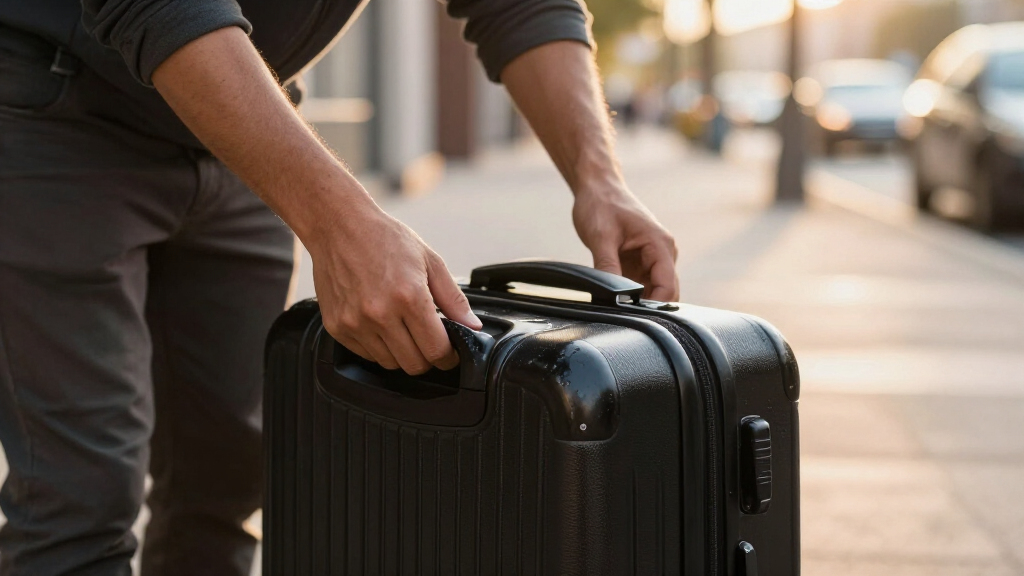
Where and how you handle your luggage matters. When checking bags, place them on top of water-prone areas or cover the bottom of carts with plastic sheeting. During transfers, keep luggage away from puddles or wet surfaces. Pro tip: ask handlers to avoid placing your bag directly on the tarmac if possible.
But more than just placement, understanding how to handle your luggage can significantly impact its protection. Rough handling can damage water-resistant features, or cause seams and zippers to break, creating entry points for water. Gently lifting and placing your luggage reduces stress on these vulnerable areas. When storing or waiting in transit, elevating your luggage on dry, elevated surfaces prevents it from coming into contact with pooled water or mud.
Strategic handling isn’t just about avoiding immediate damage; it prolongs the effectiveness of your luggage’s protective features. Combining careful handling with proper placement minimizes water exposure and maintains the integrity of your protection measures, ensuring your belongings stay dry throughout your journey.
As an affiliate, we earn on qualifying purchases.
Latest Tech and Trendy Solutions for Weatherproof Luggage
New tech makes weather protection easier. Some luggage now features nanotech fabrics that repel water at a molecular level, making them nearly waterproof without extra gear. Others include built-in weather-resistant zippers or integrated covers.
Eco-friendly options are emerging: biodegradable covers and recycled waterproof fabrics reduce environmental impact while keeping your belongings dry.
Additionally, apps that monitor weather conditions can alert you to upcoming storms, so you can deploy your protective measures in advance. These innovations not only enhance protection but also offer convenience and peace of mind, allowing travelers to adapt quickly and effectively to changing conditions, reducing stress and potential damage.
Compare Your Options: Waterproof Luggage vs. Covers
| Feature | Waterproof Luggage | Protective Cover |
|---|---|---|
| Protection Level | Full, sealed protection from rain and snow | Temporary, shields during storm or transfer |
| Cost | $200–$300 for high-end models | $15–$50 per cover |
| Durability | Long-lasting, especially hard-shell | Reusable but less durable over time |
| Convenience | No extra step, always protected | Requires application each trip |
Quick Fixes When Your Luggage Gets Wet
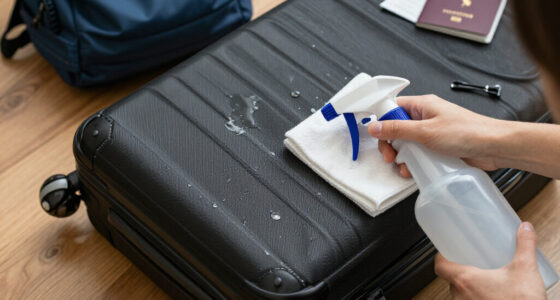
If your suitcase ends up soaked, act fast. Remove and dry wet clothes immediately. Use moisture absorbers like silica gel packets or even rice to draw out water. Leave the suitcase open in a dry, airy spot for a few hours.
But why is quick action so vital? Because prolonged moisture exposure can lead to mold, mildew, and odors, which are much harder to eliminate once established. Removing damp items and increasing airflow accelerates evaporation, preventing damage and unpleasant smells. Using silica gel packs or rice is effective because they absorb residual moisture, especially in hidden or hard-to-reach areas. Drying promptly minimizes the risk of mold growth, structural damage, and the deterioration of your luggage’s materials. Remember, the longer moisture sits, the greater the potential for long-term harm, so swift response is essential to preserve your luggage’s integrity and your peace of mind.
Frequently Asked Questions
What type of luggage is best for protecting against rain or snow?
Hard-shell luggage made from polycarbonate or ABS plastic generally offers the best protection. Look for models with sealed seams and waterproof zippers for maximum weather resistance.
Are luggage covers worth it?
Absolutely. They provide an extra layer of defense against rain, snow, and dirt. Plus, they’re reusable and easy to pack, making them a cost-effective protective option.
How can I tell if my luggage is waterproof or water-resistant?
Check the manufacturer’s specifications. Waterproof luggage usually features sealed seams, waterproof zippers, and fabrics labeled as waterproof. Water-resistant luggage may only resist light rain but can still leak in heavy conditions.
What should I do if my luggage gets wet during transit?
Remove any wet clothes immediately. Dry your luggage as soon as possible in a well-ventilated space, and use moisture absorbers like silica gel packets or rice to draw out residual moisture. Avoid closing the suitcase until it’s dry.
Can I make soft-sided luggage more weather-resistant?
Yes. Apply waterproof sprays designed for fabric, use protective covers, and pack valuables in sealed plastic bags inside your suitcase for added security against moisture.
Conclusion
Next time you’re heading out into the rain or snow, remember: your luggage’s protection starts with smart choices. Waterproof materials, covers, and strategic packing turn chaos into control. Keep your belongings dry, and your trip stays smooth—even if the weather isn’t.
Think of your luggage as your travel armor. When you armor up well, even a storm can’t spoil your adventure.
Fall Picks
fall essentials
As an affiliate, we earn on qualifying purchases.