
TL;DR

Get travel and outdoor gear delivered free with Prime
- Fast, free delivery on millions of items
- Prime Video, Amazon Music and more included
- Member-only deals all year
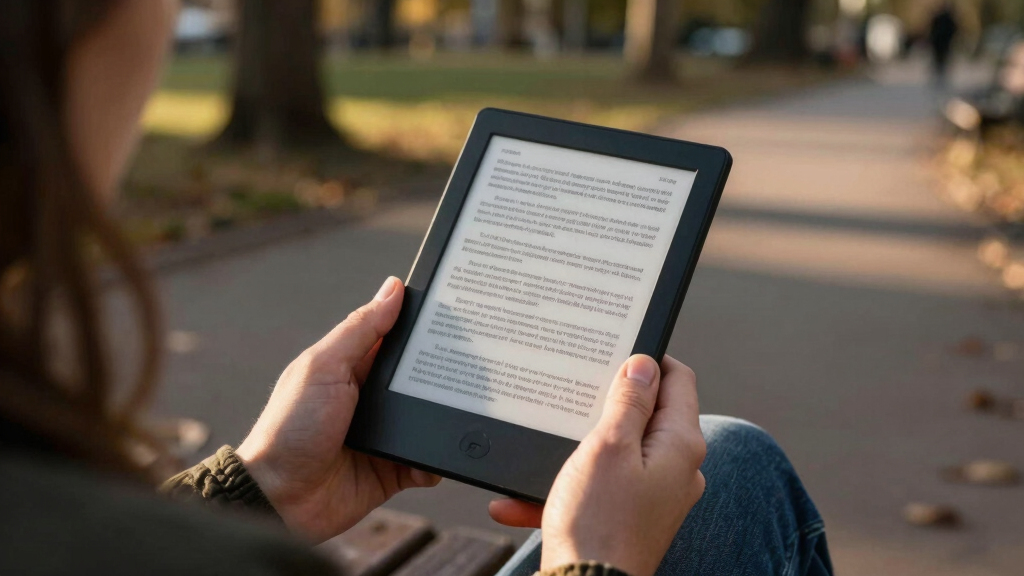
Open Book Touch is a new open-source e-reader launched in March 2024, allowing users and developers to customize hardware and software. It aims to promote accessibility and community-driven innovation in digital reading devices.
The Open Book Touch e-reader has been officially launched as an open-source device, making its hardware designs and software freely available to the public. The developers behind the project aim to foster community-driven innovation and provide an accessible alternative to proprietary e-readers, with a focus on customization and transparency.
The Open Book Touch is designed with open hardware specifications, allowing users to modify components such as the screen, battery, and casing. Its software is based on open-source operating systems, enabling developers to customize reading interfaces, add new features, or adapt the device for specific needs. The project was announced by the development team on their official platform, emphasizing its goal to promote accessibility, sustainability, and community involvement.
According to the developers, the device features a 6-inch E Ink display, Wi-Fi connectivity, and a user-replaceable battery. The hardware schematics and software code are available on GitHub, encouraging collaboration and modification. The team also announced plans to release detailed assembly instructions and tutorials to facilitate DIY assembly and repair.
Potential Impact on Digital Reading and Maker Communities
The Open Book Touch represents a significant shift towards open-source hardware in the e-reader market, which has been dominated by proprietary devices from companies like Amazon and Kobo. By providing transparent hardware designs and customizable software, it could empower advocates of digital rights, accessibility, and sustainability. The project may also inspire a new wave of maker communities and DIY enthusiasts to create tailored reading devices suited to specific needs, such as for education or accessibility.
However, the success of the project depends on community engagement, ongoing development, and whether it can compete with established proprietary devices in terms of features, durability, and ecosystem support.
As an affiliate, we earn on qualifying purchases.
Open-Source Movement in E-Reader Development Gains Momentum
The open-source hardware movement has been growing in recent years, with projects like Raspberry Pi and Arduino fostering community innovation. In the e-reader sector, most devices remain closed systems, limiting user customization and repair options. The Open Book Touch is among the first efforts to release a fully open-source e-reader, aiming to challenge proprietary models and promote sustainability through repairability and customization.
Previous open-source projects in this space have faced challenges in gaining traction due to hardware limitations and ecosystem support. This launch signals a renewed push toward open hardware in the digital reading market, with potential for broader adoption if it gains community backing.
“Our goal is to empower users and developers with a device they can truly own, modify, and improve.”
— Lead Developer, Open Book Project
As an affiliate, we earn on qualifying purchases.
Unclear Market Adoption and Long-Term Sustainability
It is still unclear how widely the Open Book Touch will be adopted by consumers and developers. The success of the project depends on community engagement, ongoing support, and whether it can attract a sustainable ecosystem of developers and users. Additionally, questions remain about the device’s durability, software stability, and compatibility with existing e-book formats.
Further details about production costs, distribution channels, and long-term maintenance are yet to be announced or clarified by the developers.
As an affiliate, we earn on qualifying purchases.
Next Steps for Community Engagement and Development
The development team plans to release the full hardware schematics, software repositories, and detailed assembly guides in the coming weeks. They also intend to host online forums and workshops to encourage community participation in customizing and improving the device. Monitoring community feedback and assessing real-world usage will be crucial in determining the project’s future trajectory.
Upcoming updates may include software improvements, additional hardware options, and potential partnerships to expand distribution and support.
As an affiliate, we earn on qualifying purchases.
Key Questions
Can I buy the Open Book Touch now?
As of now, the Open Book Touch is available as a DIY project with open-source plans. It is not yet commercially available for purchase as a finished product.
What hardware components are included?
The device features a 6-inch E Ink display, Wi-Fi connectivity, a user-replaceable battery, and open hardware schematics for customization. Detailed specifications will be available in the project documentation.
Is the software compatible with existing e-book formats?
The software is based on open-source operating systems and is designed to support common formats like EPUB and PDF, but full compatibility details will be clarified as development progresses.
Can I repair or modify the device myself?
Yes, the project emphasizes repairability and customization, providing detailed assembly instructions and source code to enable users to modify or repair their devices.
Will there be commercial versions available?
The current focus is on community-led development and DIY assembly. Commercial versions may be considered in the future if there is sufficient demand and support.
Source: hn
Halloween Picks
halloween
As an affiliate, we earn on qualifying purchases.