
TL;DR

Get travel and outdoor gear delivered free — and shop member deals
- Fast, free delivery on millions of items
- Access to Prime Big Deal Days deals on October 6–7
- Prime Video, Amazon Music and more included
Organizing your travel backpack for quick access means prioritizing essentials, using packing cubes, and designing a dedicated quick-access zone. This approach saves time, reduces stress, and improves your overall travel experience.
Imagine arriving at a busy airport, rushing through security, and needing your passport or headphones in seconds. A cluttered backpack turns that into a frantic scramble. The secret? Smart organization.
In this guide, you’ll learn how to arrange your travel backpack so your essentials are always within reach. No more digging through layers of clothes or rummaging at the bottom of your bag — just quick, smooth access. Ready to make your travel smoother? Let’s dive into practical, proven strategies that turn chaos into order.
Designate a specific quick-access pocket for essentials like passport and phone.
Use packing cubes to categorize and streamline retrieval of items.
Create a dedicated zone in your bag for frequently used items.
Maintain consistent packing habits to reduce search time.
Balance security and accessibility by choosing the right compartments for valuables.
Prioritize Your Most-Needed Items for Fast Access
The first step is to identify what you need most during transit or at checkpoints. Think: passport, boarding pass, wallet, phone, keys, medications, and earbuds. Keep these in a dedicated, easily reachable pocket or compartment, ideally at the top or front of your backpack.
Picture reaching for your boarding pass at the gate — it should be a simple grab from a pocket that’s designed for quick access. Use a small, secure zippered pocket or a quick-release compartment to keep these essentials handy and safe.
Why does this matter? When your most-needed items are in designated zones, it reduces the frantic searching that often causes delays or stress, especially in high-pressure moments like security lines or boarding gates. However, there’s a tradeoff: dedicating specific zones means you must remember to keep essentials in those spots, which requires discipline but pays off in speed and peace of mind.
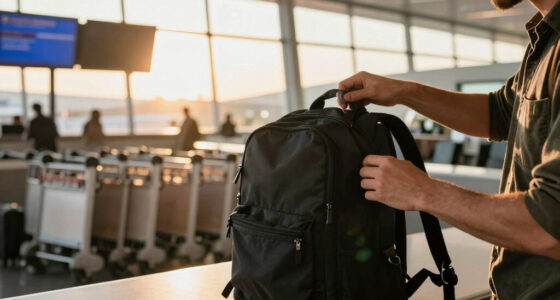
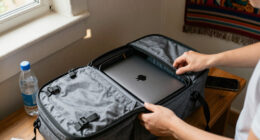
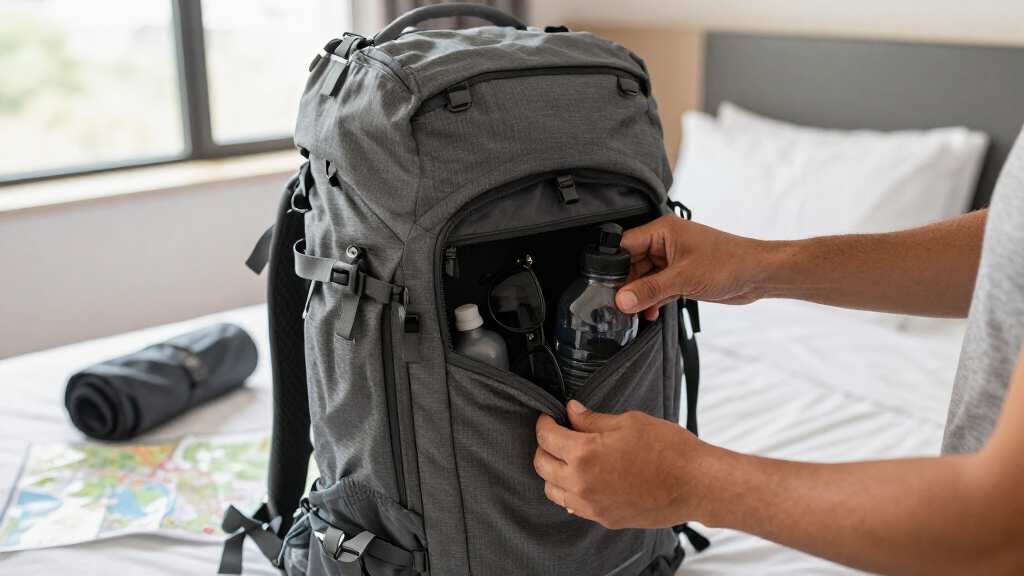
travel backpack with quick access pocket
As an affiliate, we earn on qualifying purchases.
As an affiliate, we earn on qualifying purchases.
Use Packing Cubes and Compartments to Keep Items Sorted
Packing cubes are game-changers. They turn a jumbled mess into neat sections. Assign each cube a purpose: one for electronics, one for toiletries, one for clothes, etc. This way, when you need a charger or a snack, you know exactly where to find it.
Why is this effective? Sorting items into cubes not only saves time but also prevents the frustration of rummaging through a disorganized bag. It creates a mental map of where everything is, which is especially valuable during hurried moments or when you’re in unfamiliar settings. But there’s a tradeoff: using too many cubes or overpacking can make the bag bulkier, so choose the size and number of cubes that balance organization with comfort.
Implementing this involves choosing the right cubes—preferably lightweight with clear or color-coded designs—and consistently placing items in their designated cubes. Over time, this habit makes packing and retrieving items instinctive, significantly reducing search time and maintaining order over long trips.
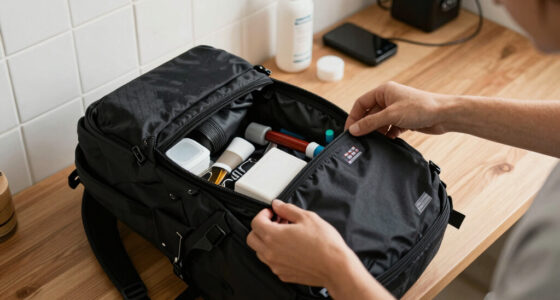
packing cubes for travel organization
As an affiliate, we earn on qualifying purchases.
As an affiliate, we earn on qualifying purchases.
Create a Dedicated ‘Quick-Access’ Zone in Your Backpack
Designating a specific pocket or compartment as your ‘quick-access zone’ is crucial. This zone should be reserved for items you frequently need, such as sunglasses, snacks, hand sanitizer, or face masks. Organizing this zone with small pouches or elastic straps can further streamline access.
Why does this matter? When your essentials are grouped together in a dedicated zone, you minimize the time spent searching or unpacking. For instance, a side pocket with a clear, zippered pouch for keys and wallet allows you to grab these items quickly without rummaging through the entire bag. The benefit is speed and convenience, especially during transit or in crowded environments.
However, there’s a tradeoff: overloading this zone can lead to clutter, making it harder to find items quickly. The key is to keep it organized with only the most-used items and to maintain this setup regularly, so it remains effective and not a cluttered catchall.
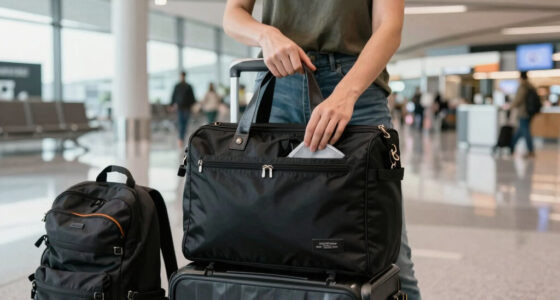
secure travel backpack with designated compartments
As an affiliate, we earn on qualifying purchases.
As an affiliate, we earn on qualifying purchases.
Maintain a Consistent Packing System to Save Time
Developing a habit of packing the same items in the same spots every trip creates muscle memory. This consistency means you’ll instinctively know where everything is, even in low light or hurried moments, reducing the mental effort needed to find essentials.
Why is this important? When your packing system is consistent, it minimizes the chances of forgetting items or wasting time searching. For example, always placing your electronics cube in the top right corner of your main compartment makes packing faster and more reliable. The tradeoff? It requires discipline to stick with the system, but the payoff is a much smoother packing and unpacking process, especially during tight schedules or late arrivals.
Over time, this routine becomes second nature, allowing you to focus on your journey rather than your packing process, ultimately leading to a more relaxed and efficient travel experience.
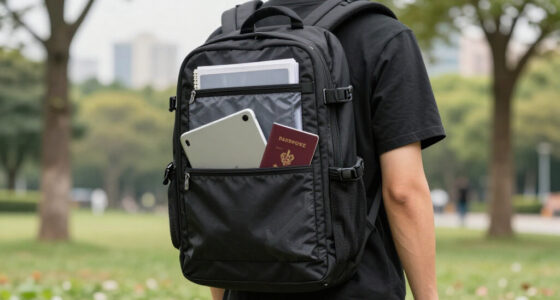
small travel zipper pouch for essentials
As an affiliate, we earn on qualifying purchases.
As an affiliate, we earn on qualifying purchases.
Optimize Security Without Sacrificing Accessibility
Keeping valuables like passports, cash, and cards in secure but accessible compartments is essential. The tradeoff here involves balancing security with convenience: overly secure zones might be difficult to access quickly, while too accessible areas could pose security risks. Using lockable zippers or hidden pockets helps protect your valuables from theft while still allowing quick retrieval when needed.
For example, a traveler might keep their passport in a lockable pocket at the back of the bag, where it’s protected but still reachable. External quick-access pockets can hold travel documents needed at checkpoints, but it’s important to choose locations that are less exposed to pickpockets. The key is to think about the environment: crowded places require more secure placement, while less risky areas allow for faster access. The tradeoff? Securing valuables might add a few seconds to access, but it significantly reduces the risk of loss or theft, which is worth the extra effort.
Compare Backpack Features That Make Access Easier
| Feature | Benefit | Ideal For |
|---|---|---|
| Front-loading design | Allows you to open the bag like a suitcase, revealing all contents at once | Travelers who need quick packing/unpacking |
| Multiple external pockets | Easy to organize and grab items on the go | Commutes and quick errands |
| RFID-blocking pockets | Protects sensitive info, keeps essentials handy | International travel and security checks |
| Top or side quick-access compartments | Immediate access to essentials without opening the entire bag | Transit and security checkpoints |
When choosing a backpack, consider these features because they directly impact how quickly and easily you can access your belongings. For example, a front-loading design reduces the time spent rummaging through your bag, especially when you need to switch items quickly. Multiple external pockets enable better organization, so you can grab what you need without delays. RFID-blocking pockets are crucial for safeguarding sensitive information, particularly during international travel, and quick-access compartments provide the fastest way to reach essentials during transit or at security points. Weigh these factors against your travel style and needs to select the most efficient backpack for your journeys.
Keep Electronics and Cables Organized for Fast Retrieval
Electronics clutter easily turns into a nightmare. Use small, labeled pouches or cable organizers to separate chargers, earbuds, and power banks. Store them in a dedicated section or cube so they don’t get lost in the shuffle.
Why is this important? When your electronics are organized, it prevents the frustration of hunting for the right cable or device in a sea of clutter, which can cause delays or damage. Proper organization also reduces the risk of cords tangling or fraying, extending their lifespan. The tradeoff? Using multiple organizers adds a bit of bulk, but the time saved and the protection offered by keeping cords separate outweigh the inconvenience. This setup ensures that when you need to charge or connect devices, everything is immediately accessible and safe, making your tech management during travel more efficient and less stressful.
Balance Accessibility and Security for Valuables
Keeping valuables accessible yet secure requires strategic placement. Use lockable compartments or hidden pockets for essentials like passports and cash. Keep everyday items like snacks and sunglasses in easily reachable zones.
Why does this matter? Proper placement minimizes the risk of theft while still allowing quick access when needed. For example, a backpack with a hidden RFID pocket at the back offers security without sacrificing convenience. Placing frequently used items in accessible zones reduces the time you spend searching, especially in crowded or unfamiliar environments. The tradeoff involves assessing the environment: in busy areas, prioritize security, possibly at the expense of a few seconds of access time; in calmer settings, quicker access might be more appropriate. Balancing these factors ensures your valuables are protected but still readily available when you need them most.
Maintain Your Organization System on Long Trips
Long trips or multiple destinations test your system. Reassess and restock your quick-access zones daily. Keep a small checklist to ensure essentials stay in their designated spots.
Why is this important? Regularly maintaining your organization prevents clutter buildup and forgotten items, which can cause delays or stress during travel. For example, daily checks of your quick-access zones ensure your passport, chargers, and snacks are always in place, saving time at critical moments like airport check-ins or hotel check-ins. Adjust your packing cubes and compartment arrangements based on changing activities, weather, or needs. This flexibility keeps your system functional and efficient across different environments and durations, ultimately making your long trips more manageable and less chaotic.
Frequently Asked Questions
How do I pack my backpack for different types of trips (business, adventure, leisure)?
Adjust your organization based on the trip. Business trips benefit from neat, minimal packing with quick-access pockets for documents. Adventure trips need durable, flexible organization with space for gear. Leisure trips allow more relaxed packing, but still keep essentials in accessible zones for convenience.
What are the best packing cubes or organizers for quick access?
Look for lightweight, multi-compartment cubes with clear or color-coded designs. Choose ones with sturdy zippers and labels. Brands like Eagle Creek or AmazonBasics offer options that fit standard backpacks and help keep items sorted for rapid retrieval.
How can I prevent my essentials from getting lost at the bottom of the bag?
Use designated, zippered pockets or small pouches within your main compartment. Assign a specific cube or pocket for each category — electronics, documents, medicines. Always place these items at the top or in easily accessible zones to avoid digging through layers.
What are some tips for organizing electronics and cables?
Use small, labeled cable organizers or zippered pouches for chargers and cords. Store fragile items in padded compartments. Keep electronics close to your quick-access zone for easy grabbing when needed, especially during transit or airport stops.
How do I balance accessibility with security for valuables?
Keep valuables in lockable or hidden compartments, but within reach, like a secure pocket at the back or inside a zipped pouch. Use RFID-blocking pockets for passports and cards. Always be mindful of your surroundings, especially in crowded places.
Conclusion
Your backpack’s organization can turn travel chaos into calm. By keeping essentials within arm’s reach, you save precious seconds and reduce stress. Think of it as your personal travel shortcut — a simple setup that makes every trip smoother.
Next time you pack, focus on smart zones and routines. Your future self will thank you when everything’s just a grab away, even in a rush. A well-organized bag isn’t just neat — it’s your secret weapon for smarter traveling.
Fall Picks
fall essentials
As an affiliate, we earn on qualifying purchases.