TL;DR

Get travel and outdoor gear delivered free with Prime
- Fast, free delivery on millions of items
- Prime Video, Amazon Music and more included
- Member-only deals all year
Most airlines allow carry-ons up to 22 x 14 x 9 inches and 15-22 pounds. Always verify specific airline policies before packing to avoid surprises. Use this guide to pack efficiently and stay compliant.
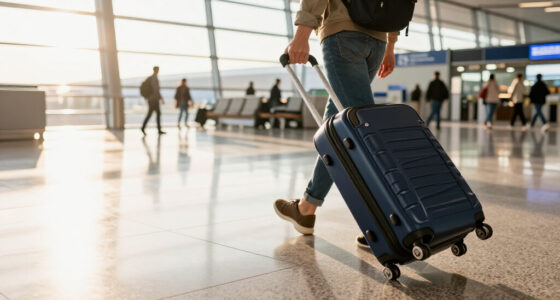
Imagine arriving at the airport only to find your carry-on doesn’t quite fit in the overhead bin. Frustrating, right? The secret to smooth travels often comes down to one thing: knowing the exact size limits airlines set for carry-on luggage. It’s not just about packing light; it’s about packing smart and staying within the rules.
This guide breaks down what those size limits are, how they vary by airline, and what recent trends are reshaping carry-on design. Whether you’re a frequent flyer or planning your first trip, understanding these details saves time, money, and stress at the gate.
Most airlines stick to 22 x 14 x 9 inches for carry-on size, but always double-check your airline’s specific rules.
Use a tape measure to verify your bag’s dimensions, including wheels and handles, before arriving at the airport.
Lightweight, durable models like Travelpro Maxlite 5 fit most airline restrictions and are worth considering.
Be aware of weight limits—packing heavy can cause issues even if your bag’s size is compliant.
Stay updated on airline policy changes, especially with new luggage innovations and regulations.
What Are the Standard Dimensions for Airline Carry-Ons?
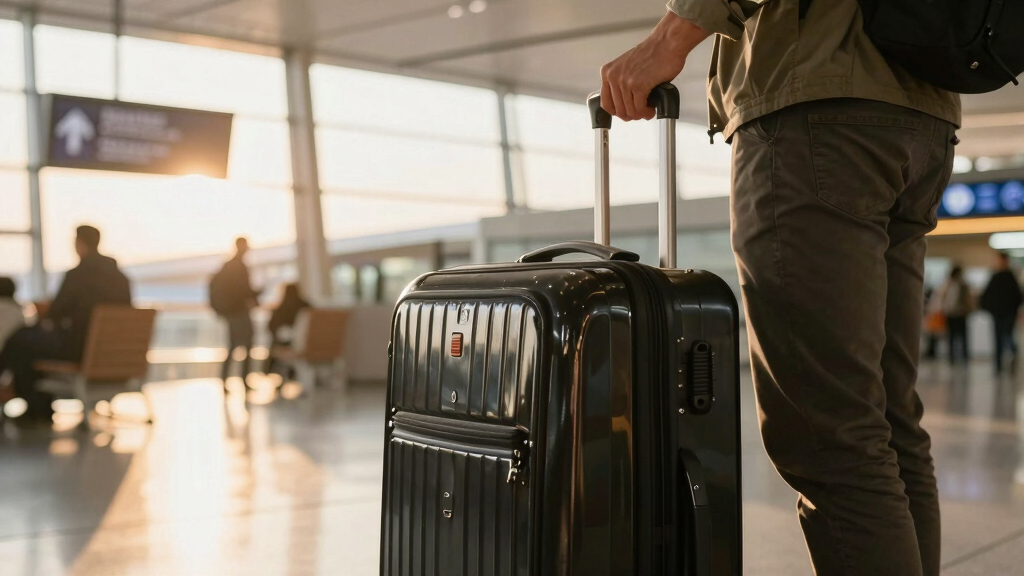
The typical maximum size for a carry-on bag is around 22 x 14 x 9 inches. This includes wheels, handles, and any external pockets. Think of it as fitting inside a large shoebox with a little extra room for wheels and handles. For example, a popular model like the Travelpro Maxlite 5 measures exactly 22 x 14 x 9 inches, making it a safe choice for most airlines.
Weight limits, usually set between 15 and 22 pounds, vary by airline but often aren’t as strict as size. Still, exceeding weight limits can mean paying extra fees or checking the bag anyway. Always weigh your bag before heading to the airport.
As an affiliate, we earn on qualifying purchases.
Why Do Airlines Have Different Carry-On Rules? Get the Inside Scoop
Not all airlines play by the same rules. Major carriers like American, Delta, and United typically stick to the 22 x 14 x 9 inches standard, but some low-cost airlines like Spirit and Ryanair tighten the limits or have different policies altogether. For instance, Spirit allows a 22 x 18 x 8 inches size, which is a rare exception.
Additionally, some airlines permit a personal item — like a backpack or purse — that can be up to about 18 x 14 x 8 inches. But don’t assume—you need to double-check each airline’s website before you pack.
Understanding these variations is crucial because they directly impact how you pack. For example, a bag that fits comfortably within one airline’s limits might be considered oversized by another, leading to additional fees or the inconvenience of gate-checking. Being aware of these differences helps you avoid last-minute surprises and choose luggage that’s versatile enough for multiple airlines or your specific trip.
As an affiliate, we earn on qualifying purchases.
Compare the Most Common Carry-On Size Limits in a Handy Table
| Airline Type | Max Dimensions (inches) | Weight Limit (pounds) |
|---|---|---|
| Major Airlines | 22 x 14 x 9 | 15-22 |
| Low-cost Carriers | Varies, often 22 x 14 x 8 or 18 x 14 x 8 | Same as above |
| International Airlines | Typically 22 x 14 x 9, but stricter | Often 15-17 |
carry-on luggage with 22 x 14 x 9 dimensions
As an affiliate, we earn on qualifying purchases.
As an affiliate, we earn on qualifying purchases.
How to Measure Your Carry-On Bag Like a Pro
- Lay your bag flat on a surface.
- Use a tape measure to check length, width, and height, including wheels and handles.
- Compare your measurements to the airline’s limits.
For example, if your bag measures 22.5 x 14 x 9 inches, it’s slightly over the limit. You might need to switch to a more compliant model like the Travelpro Maxlite 5.
Pro tip: Some soft-sided bags can be slightly flexible, but don’t rely on that — measure accurately.
Measuring properly is essential because even a small miscalculation can result in having to check your bag at the gate, which can be inconvenient and costly. Knowing how to measure correctly ensures you stick to the airline’s rules and avoid delays or extra fees. It also helps you compare different luggage options to find one that fits your needs without risking non-compliance.
As an affiliate, we earn on qualifying purchases.
What’s New in Carry-On Luggage? Trends You Should Know
The latest carry-ons aren’t just about size—they’re smart and adaptable. Brands now offer size-adjustable models that can expand or contract based on airline restrictions. For instance, some hard-shell models feature modular compartments and lightweight, durable materials like polycarbonate or ballistic nylon.
Plus, tech-savvy options include built-in GPS, USB ports, and digital locks — all designed to maximize capacity while staying within airline size limits. These innovations aim to make your packing more efficient and your travel smoother.
What Happens If Your Bag Is Too Big or Heavy? Here’s What to Expect
If your carry-on exceeds the size limit, airlines typically ask you to check it at the gate. This can mean waiting for a luggage check-in, paying extra fees, or risking the bag being delayed or damaged. For example, a soft-sided bag measuring 23 x 14 x 9.5 inches might be turned away or checked at the gate.
Similarly, if your bag is over the weight limit, you might face fees or be asked to remove some items. To avoid surprises, pack with a luggage scale and double-check dimensions before leaving home.
Understanding these potential issues is important because the consequences can impact your travel plans. For instance, having to check a bag unexpectedly can cause delays, especially if the flight is full or the airline enforces strict policies. Overpacking or mismeasuring can lead to additional costs, so knowing what to expect helps you prepare better and avoid unnecessary stress or expense.
How to Pick the Perfect Carry-On That Meets Airline Standards
Choose a lightweight, durable suitcase that measures within the standard limits. Look for models like the Travelpro Maxlite 5 or Samsonite Omni PC Hardside, which are known for quality and compliance. Keep in mind, soft-sided bags often provide a bit more flexibility in sizing.
Use a tape measure to verify dimensions. Also, consider your packing style—if you tend to overpack, opt for expandable models or ones with clever compartments to stay within limits.
Quick Tips to Make Packing Easier and Stay Within Limits
- Pack versatile clothes that layer easily, saving space.
- Use packing cubes to organize and compress items.
- Weigh your bag regularly with a portable scale.
- Always measure your bag before leaving home, not at the airport.
Frequently Asked Questions
What is the maximum size for a carry-on bag?
The standard maximum size most airlines allow is 22 x 14 x 9 inches. However, some low-cost or international airlines may have slightly different limits, so always verify before packing.
Can I bring a larger bag if it’s lightweight?
Size restrictions are usually strict regardless of weight. Even if your bag is lightweight, exceeding the size limits can result in gate-checking or fees. Always measure your bag to be sure.
What if my carry-on exceeds the size limit?
It will likely need to be checked at the gate or baggage claim. This might mean extra fees or delays, so measure carefully beforehand to avoid surprises.
Are there different rules for international flights?
Yes. International airlines often have stricter or slightly different size and weight restrictions, so check the airline’s policy for each route.
How do I measure my bag correctly?
Use a tape measure to check length, width, and height, including wheels and handles. Do this before packing to ensure compliance with airline rules.
Conclusion
Sizing your carry-on correctly isn’t just about avoiding fees — it’s about making travel smoother and less stressful. Think of your bag as your travel partner, fitting perfectly into the overhead space and easing your journey. Measure, pack smart, and stay flexible. Your next trip will thank you.
After all, the best travelers know: it’s not just about what you pack, but how well you pack it within the rules.
Halloween Picks
halloween
As an affiliate, we earn on qualifying purchases.