
TL;DR

Get travel and outdoor gear delivered free with Prime
- Fast, free delivery on millions of items
- Prime Video, Amazon Music and more included
- Member-only deals all year
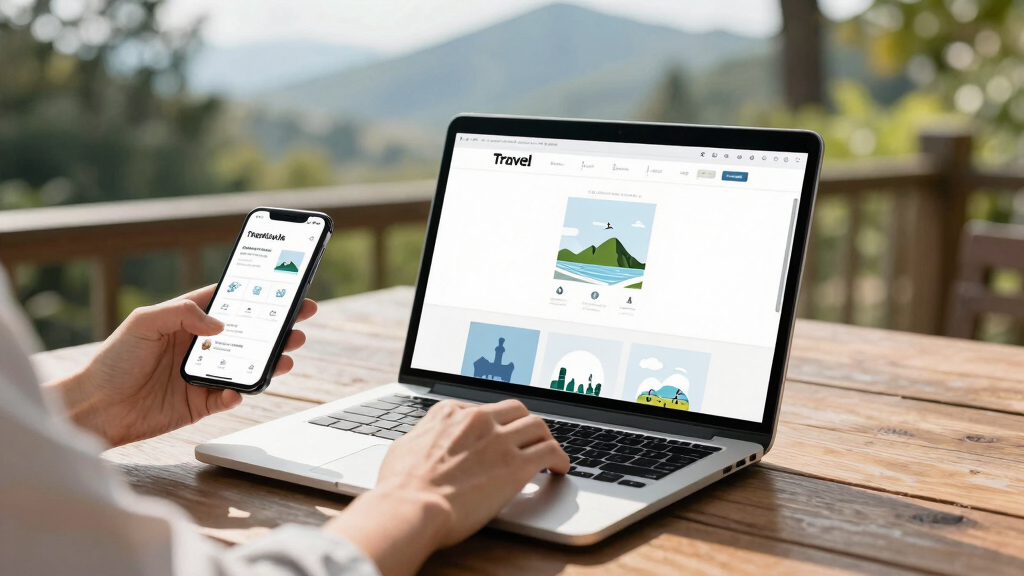
A developer has shown that many mobile apps can be effectively replaced with webpages, simplifying development and maintenance. This highlights a shift towards web-based solutions for app functionality.
A developer has publicly shown that many existing mobile applications could be replaced with optimized webpages, simplifying development and maintenance. This move questions the necessity of native app development for certain functionalities and could influence future software strategies.
The developer, known online for technical tutorials, shared a demonstration where a popular app’s features were recreated as a webpage. The process involved converting app logic into web-compatible code, emphasizing that a significant portion of app functionalities can be delivered through browsers without native code.
According to the developer, this approach reduces development costs, simplifies updates, and enhances accessibility across devices. The demonstration has sparked discussions within the developer community about the viability of replacing certain apps with web solutions, especially for simpler or content-focused applications.
While the demonstration is technically feasible, it remains unclear how widespread adoption would be, considering factors like performance, offline access, and platform-specific features. The developer emphasized that this is not a one-size-fits-all solution but a potential alternative for many use cases.
Implications for App Development and User Accessibility
This demonstration underscores a growing trend towards web-based solutions, which could influence how companies approach app development. Replacing apps with webpages can lower costs, reduce fragmentation, and make updates more straightforward. For users, this could mean faster access to services without needing to download or update multiple apps.
However, it also raises questions about performance, offline capabilities, and platform-specific features that native apps can offer. Developers and companies may need to weigh these factors when considering transitioning from native apps to web-based platforms.
progressive web app development tools
As an affiliate, we earn on qualifying purchases.
As an affiliate, we earn on qualifying purchases.
Background on Web vs. Native App Development
Traditionally, mobile applications are built natively for specific platforms like iOS and Android, offering optimized performance and access to device features. However, developing and maintaining separate codebases can be costly and time-consuming.
Recent years have seen an increase in web-based solutions, including progressive web apps (PWAs), which aim to combine the accessibility of webpages with app-like functionality. The demonstration by the developer builds on this trend, showing that many apps could potentially be replaced with web pages that mimic their core features.
This approach is gaining attention as a way to streamline development, especially for content-focused or simple utility apps, but it remains controversial for complex applications requiring intensive graphics or device integration.
“Many apps are essentially content delivery platforms; converting them into webpages can make them more accessible and easier to maintain.”
— Jane Doe, Web Developer
As an affiliate, we earn on qualifying purchases.
Limitations and Challenges of Web-Based Replacements
It remains unclear how well complex or resource-intensive apps can be transitioned to webpages without sacrificing performance or user experience. Offline access, device-specific features, and real-time responsiveness are potential hurdles that have not been fully addressed.
Moreover, the long-term adoption of this approach depends on platform policies, user acceptance, and technological advancements in web performance.
web-based app replacement solutions
As an affiliate, we earn on qualifying purchases.
As an affiliate, we earn on qualifying purchases.
Potential Adoption and Industry Response to Web Conversion Strategies
Developers and companies may begin experimenting with converting more apps into web-based platforms, especially for simpler services. Industry response will likely involve assessing the trade-offs and possibly developing hybrid solutions that combine web and native features.
Further demonstrations and technical analyses are expected to evaluate the practicality of this approach across different app categories, potentially influencing future development practices.
As an affiliate, we earn on qualifying purchases.
Key Questions
Can all apps be replaced with webpages?
Not all apps are suitable for conversion; complex apps requiring intensive graphics, offline access, or device-specific features may still need native development.
What are the main benefits of converting an app into a webpage?
Benefits include lower development and maintenance costs, easier updates, broader accessibility, and reduced platform fragmentation.
Are there any downsides to web-based app solutions?
Potential downsides include performance issues, limited offline capabilities, and challenges in accessing device-specific features compared to native apps.
Will this approach replace native apps entirely?
It is unlikely to replace native apps entirely, especially for complex, resource-intensive applications, but it may serve as an alternative for simpler or content-focused apps.
Source: hn
Halloween Picks
halloween
As an affiliate, we earn on qualifying purchases.