TL;DR

Get travel and outdoor gear delivered free with Prime
- Fast, free delivery on millions of items
- Prime Video, Amazon Music and more included
- Member-only deals all year
A successful family packing system starts with specific, well-organized essentials like clothing, toiletries, medications, and entertainment. Using labeling, packing cubes, and smart tools reduces stress and forgotten items, making travel easier for everyone.
Imagine arriving at your destination, only to realize you forgot the kids’ favorite snacks or the medication needed for an allergy. That’s a quick way to turn a fun trip into a scramble. A smart family packing system isn’t just about stuffing everything in a bag—it’s about thoughtful organization and knowing exactly what to include.
In this guide, you’ll learn how to build a packing system that keeps essentials at your fingertips, minimizes chaos, and adapts to different trip lengths and destinations. Whether you’re packing for a weekend escape or a month-long adventure, these tips will help you pack like a pro and avoid common pitfalls.
Categorize items using labeled compartments and packing cubes to streamline access and reduce stress.
Customize your packing list based on trip length, weather, and specific family needs.
Invest in quality packing tools like compression sacks and labeled pouches to maximize space.
Always double-check essentials—medications, documents, chargers—before sealing your luggage.
Adapt your packing to climate and destination to avoid overpacking or missing critical items.
Essential Items to Include in a Family Packing System
A dependable packing system gives every essential a visible, labeled home. Organize by category, adapt quantities to the trip, and keep medications, documents, snacks, and chargers within immediate reach.
Give every essential a destination.
Grouping related items creates mini storage zones inside the luggage. The system reduces searching, makes missing items more visible, and lets every family member find or return things without unpacking the entire bag.
Clothing
Pack mix-and-match layers, pajamas, underwear, weather protection, and one spare transit outfit.
Guide: 7 shirts · 3 pants · 2 pajamasToiletries
Use a waterproof pouch for toothbrushes, toothpaste, sunscreen, hair care, and multi-use wash products.
Guide: 100–150ml containersMedications
Combine personal prescriptions, extra doses, antihistamines, pain relief, bandages, and antiseptic wipes.
Keep labeled and immediately accessibleSnacks & Drinks
Choose portioned, non-perishable foods plus one reusable water bottle for each traveler.
Guide: 1–2L resealable snack bagEntertainment
Favor compact, durable options such as downloaded media, a reader, activity books, or one small comfort toy.
Prioritize multi-use entertainmentEmergency & Safety
Store document copies, insurance details, contacts, a flashlight, whistle, and basic first aid together.
Carry physical and secure digital backupsWhat goes where—and why.
Accessibility should match urgency. Critical health and identity items stay with an adult in the carry-on; routine items can travel deeper inside labeled luggage.
| Category | Container | Access level | Core contents | Final check |
|---|---|---|---|---|
| Clothing | Color-coded cube | Routine | Layers, sleepwear, underwear, spare outfit | ✓ Weather matched |
| Toiletries | Waterproof pouch | Routine | Oral care, wash products, sunscreen | ✓ Caps secured |
| Medication | Labeled 1L kit | Immediate | Prescriptions, first aid, extra doses | ✓ Dates checked |
| Food | Clear resealable bag | Immediate | Trail mix, bars, dried fruit, water | ✓ Portions ready |
| Entertainment | Seat-back organizer | Immediate | Tablet, headphones, books, comfort item | ✓ Media downloaded |
| Safety | Document pouch | Immediate | IDs, insurance, contacts, safety tools | ✓ Copies separated |
From master list to easy arrival.
A repeatable chain turns packing into a shared family process. Each stage leaves a visible signal, so the next person can verify what is packed without starting again.
Pack by consequence, not habit.
The hardest-to-replace items deserve the strongest checks. Clothing is easy to buy or wash; medication, identification, and specialist care items may be difficult or impossible to replace quickly.
Use fewer tools, more deliberately.
Choose durable tools that make contents visible, compress bulky items, and scale across weekend breaks and longer adventures.
Packing Cubes
Assign by person, category, or day. Use consistent colors across every trip.
Compression Sacks
Reduce the volume of jackets and soft clothing without adding more bags.
Digital Lists
Duplicate a master checklist, then adapt it to weather, duration, and needs.
Labels & Tags
Mark ownership and contents; RFID or tracker tags can help locate luggage.
Five checks before departure.
Do this final review with the luggage open. Verify the high-consequence items physically rather than relying on a remembered tick in the checklist.
The best system is easy to repeat.
Save the list, keep labels consistent, and reset every pouch after returning home.
How to Categorize Items for Fast Access and Less Stress
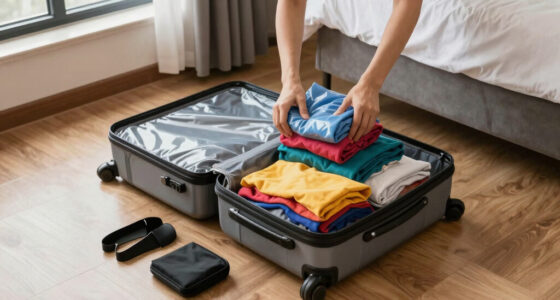
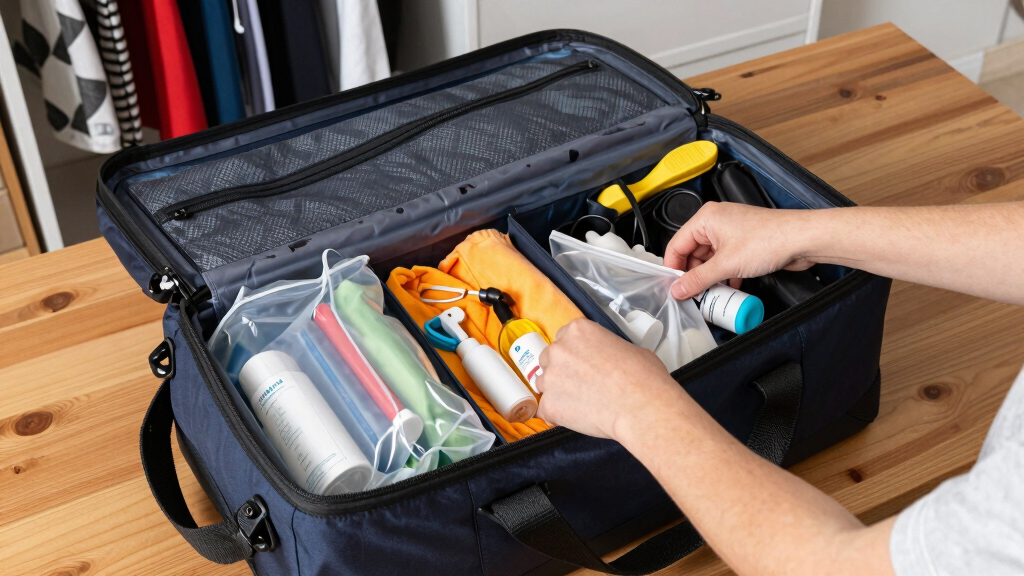
Grouping items by category is the backbone of an efficient packing system. Think of it as creating mini storage zones within your luggage: clothing, toiletries, medications, snacks, entertainment, and emergency supplies. Label each compartment or use color-coded packing cubes to instantly identify where everything is.
For example, pack all the kids’ pajamas in one cube, toiletries in another, and snacks in a clear, accessible bag. When you arrive, you’ll grab a cube, not dig through everything looking for that one missing sock or the sunscreen bottle.
Using labeled compartments helps everyone know where to find or return items, saving precious time during the trip. This method also reduces the mental load—when everything has a designated place, decision fatigue decreases, and packing becomes more predictable and less stressful.
Deeply understanding this categorization means recognizing its impact: it minimizes the time spent searching for items, which is especially crucial during tight travel schedules or when managing multiple family members. It also reduces the risk of leaving essentials behind, as each category acts as a visual reminder. However, there’s a tradeoff—over-segmenting can sometimes lead to more complex organization, so balance is key. Properly labeled and organized zones streamline your process, making it easier to adapt if plans change or if you need to access items quickly in unfamiliar environments.
As an affiliate, we earn on qualifying purchases.
Must-Have Items for Your Family Packing System
Every family’s needs differ, but certain essentials are universal. Here’s a breakdown of must-haves, including exact sizes and some real-world examples:
| Category | Essential Items | Details & Examples |
|---|---|---|
| Clothing | Versatile clothing sets | 7 shirts, 3 pants, 2 pajamas per person, packed in 20-30L packing cubes. For a week-long trip, each family member might need about 12-15 pieces, including layers for varying weather. Proper sizing ensures comfort and adaptability; overpacking can lead to unnecessary weight, while underpacking risks missing essentials. Consider choosing neutral colors that mix and match to maximize outfit combinations without increasing volume. Think about the tradeoff: packing too many options can lead to heavier luggage, but too few might limit outfit choices or force constant laundry. Prioritize versatile, lightweight, and quick-drying fabrics that can be layered or worn multiple times to optimize space and comfort. |
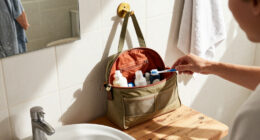
| Toiletries | Travel-size bottles | Small bottles (100ml-150ml), a toothbrush, toothpaste, floss, and a compact hairbrush. Pack in a waterproof toiletry bag. Using travel-sized containers complies with airline regulations and prevents spills. Prioritize multi-purpose products, like a combined shampoo and body wash, to save space and simplify routines. Remember, space is limited, so choose multi-use items when possible—this reduces clutter and weight. The tradeoff involves balancing convenience with volume: smaller bottles save space but require regular refilling or replacement, which can be inconvenient on longer trips. Proper organization with dedicated pouches ensures quick access and prevents leaks from damaging other belongings. |
| Medications | Personal meds + first aid kit | Prescription meds, pain relievers, antiseptic wipes, bandages, and antihistamines. Keep in a labeled, portable kit of around 1L. This ensures quick access in emergencies and prevents forgetting critical treatments. Always check expiration dates and pack extra doses if needed, considering the trip duration and potential delays. Recognize that missing a vital medication could have serious health implications, so organization and double-checking are crucial. There’s a tradeoff: packing too many medications or supplies can add weight, but underpacking risks missing essential treatments. Creating a dedicated, well-organized kit minimizes stress and ensures readiness for unexpected situations. |
| Snacks & Drinks | Non-perishables | Healthy snacks like trail mix, granola bars, and dried fruit in 1-2 liter resealable bags. Include a reusable water bottle per person. These items help manage hunger and hydration on the go, especially during long travel days. Choosing non-perishable, nutrient-dense options reduces the risk of spoilage and keeps everyone energized. The tradeoff involves balancing bulk and weight—overpacking snacks can make luggage heavy, but underpacking might lead to hunger-induced crankiness or the need for last-minute shopping. Properly portioned, these snacks can also serve as emergency supplies if plans change unexpectedly. Having a variety of healthy options ensures sustained energy and reduces reliance on less nutritious convenience foods. |
| Entertainment | Books, tablets, toys | Compact, lightweight options like a Kindle, small toys, or downloaded movies. Use a dedicated organizer for quick access. Tailoring entertainment to age and interests ensures engagement without clutter. Remember, the tradeoff is balancing entertainment variety and space; prioritize items that offer multiple uses or can serve different purposes. For example, a tablet with downloaded movies and educational games can replace multiple toys and books, saving space. Proper organization ensures quick access during transit or downtime, reducing frustration and keeping children entertained. The key is to select versatile, durable options that can handle travel wear and tear while providing enough variety to suit different moods and ages. |
| Emergency & Safety | Important documents & safety supplies | Copies of passports, IDs, insurance cards, and a flashlight, whistle, and basic first aid supplies in a small, accessible pouch. Keeping these essentials organized and accessible can prevent panic during emergencies, and having duplicates stored separately minimizes risk of loss. Consider digital backups of important documents stored securely online as an additional safeguard. Deeply understanding this category means recognizing that quick access to vital documents and safety tools can be life-saving or prevent serious delays. The tradeoff involves balancing the size of the emergency kit with the need for quick access—making it compact yet comprehensive is key. Properly organized, this kit minimizes stress during unforeseen events and ensures peace of mind throughout the trip. |
Adjust quantities and sizes based on trip length and family size. For example, a 5-day trip with two kids might need smaller, more frequent snack packs and several sets of clothes per person. Planning ahead ensures you’re prepared without overloading your luggage, striking a balance between readiness and weight limits.
labeled travel organization pouches
As an affiliate, we earn on qualifying purchases.
As an affiliate, we earn on qualifying purchases.
The Best Packing Tools That Save Space and Time
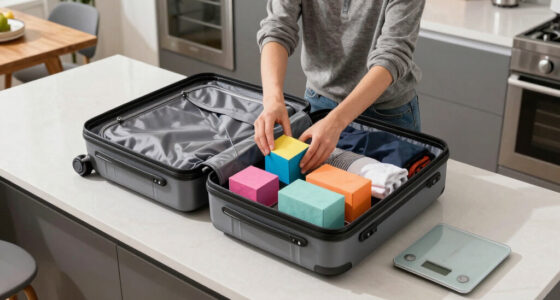
Smart packing tools turn chaos into order. Think of packing cubes, compression sacks, and labeled pouches as your secret weapons. They not only organize but also maximize space.
For instance, a set of three packing cubes—small (2L), medium (4L), and large (8L)—can hold everything from socks to bulky jackets. Compression sacks reduce volume by up to 50%, freeing space for souvenirs or extra outfits. These tools help you see at a glance what’s inside, reducing the time spent rummaging through your luggage and minimizing the risk of forgetting items.
Label each cube with its contents or destination (clothes, tech, toiletries) for quick access. Using these tools also encourages disciplined packing, which can prevent overstuffing. Investing in quality, durable bags with reinforced zippers and water-resistant fabrics adds longevity and peace of mind, making the packing process more efficient and less stressful in the long run.
Deeply understanding these tools means recognizing that they not only save space but also significantly cut down on packing and unpacking time. They create a systematic approach, which reduces the mental load during busy travel days. The tradeoff is the initial investment in quality gear, but the long-term benefits of efficient packing and reduced stress often outweigh this cost. Properly used, these tools transform a chaotic process into a streamlined routine, ensuring you spend less time packing and more time enjoying your trip.
As an affiliate, we earn on qualifying purchases.
How to Pack for Different Climates and Destinations
Adapting your packing list to climate and location is key. A beach holiday calls for swimsuits, sun hats, and lightweight clothes. A city trip in winter needs thermal layers, waterproof shoes, and a warm coat.
Start by researching the weather forecast at your destination—look for temperature ranges, humidity, and potential rain. Recognizing these factors helps you prioritize what to pack and avoid overloading with unnecessary items. For example, packing quick-drying shirts and foldable rain jackets can save space and adapt to changing weather conditions. This proactive approach minimizes the risk of discomfort or missing essential gear, which can otherwise lead to last-minute shopping or lugging around bulky gear unnecessarily. The tradeoff involves balancing preparedness with weight and space constraints: overpacking for every possible scenario can lead to heavy, unwieldy luggage, while underpacking might leave you unprepared for sudden weather shifts. A strategic, climate-aware packing list ensures comfort, safety, and efficiency, making your travel experience more enjoyable and less stressful.
family travel medication organizer
As an affiliate, we earn on qualifying purchases.
As an affiliate, we earn on qualifying purchases.
Avoid Common Packing Mistakes That Cost You Time and Stress
One big mistake? Overpacking. Packing more clothes than you’ll wear, or bringing duplicate items, wastes space and adds weight. It also increases the difficulty of fitting everything into your luggage and can lead to overweight baggage fees. Another slip-up: forgetting essentials like medications or chargers, which can cause significant inconvenience or health risks during your trip.
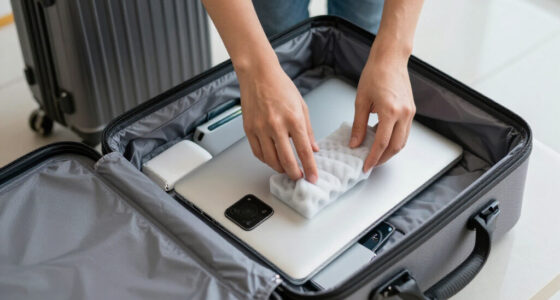
Deeply understanding these pitfalls allows travelers to make smarter decisions. Making a detailed checklist before packing helps you visualize exactly what’s needed, preventing unnecessary additions. Packing only what you’ll realistically use, and choosing versatile items, reduces bulk and weight. For example, selecting clothes that can be mixed and matched or serve multiple purposes—like a scarf that doubles as a blanket—optimizes space and functionality. Recognizing the importance of leaving some room for souvenirs prevents overstuffing, which can cause damage or extra fees. Lastly, double-checking for essentials like medications, chargers, and documents ensures you’re prepared for emergencies or delays. This thoughtful approach saves time, reduces stress, and creates a smoother, more enjoyable travel experience, avoiding the common pitfalls that derail trips.
Frequently Asked Questions
How many clothing items should each family member pack for a week-long trip?
Aim for around 12-15 pieces per person, including shirts, pants, pajamas, and layers. Use packing cubes to keep everything organized and to fit more efficiently into your luggage.What are the best tools to keep my family’s packing organized?
Packing cubes, compression sacks, and labeled pouches are your best bets. They help categorize, maximize space, and make access quick and easy, especially when traveling with kids.How can I ensure I don’t forget important documents or medications?
Create a dedicated emergency pouch with copies of passports, IDs, insurance cards, and medications. Keep it in an accessible part of your luggage or carry-on for quick access during travel.What should I include in an emergency kit for family travel?
Pack a small kit with bandages, antiseptic wipes, pain relievers, antihistamines, and any personal medications. Also include a flashlight, whistle, and copies of important documents.How do I pack efficiently for different climates?
Research the weather forecast and pack versatile, quick-drying clothing, along with appropriate accessories like sunblock, hats, or rain gear. Use layering strategies to adapt to changing conditions.Conclusion
Building a family packing system isn’t about stuffing everything in a bag; it’s about smart choices. Precise organization, tailored essentials, and the right tools turn chaos into calm. When your packing becomes a well-oiled machine, travel transforms from chaos to comfort.
Remember, a good system isn’t static. Adjust, refine, and add your personal touches. Your next trip will feel lighter, faster, and way less stressful.
Halloween Picks
halloween
As an affiliate, we earn on qualifying purchases.