TL;DR

Get travel and outdoor gear delivered free with Prime
- Fast, free delivery on millions of items
- Prime Video, Amazon Music and more included
- Member-only deals all year
A family travel packing system revolves around a master list, pre-packed kits, standardized luggage, and assigned roles. This approach minimizes forgotten items, streamlines prep, and adapts easily to different trips and ages.
Ever spent hours frantically packing last minute, only to realize you forgot the kids’ favorite blanket or that crucial medication? It’s a familiar scene for most families. But it doesn’t have to be this way.
Switching to a complete packing system turns chaos into calm. Instead of random, last-minute stuffing, you create a repeatable framework — with checklists, pre-packed kits, and clear roles. This method minimizes stress, saves time, and keeps everyone happier on the road or in the air. Ready to make packing a breeze?
Develop a master packing list that’s updated after every trip, keeping it digital for easy access.
Create pre-packed kits for toiletries, documents, and entertainment to save time and avoid missing essentials.
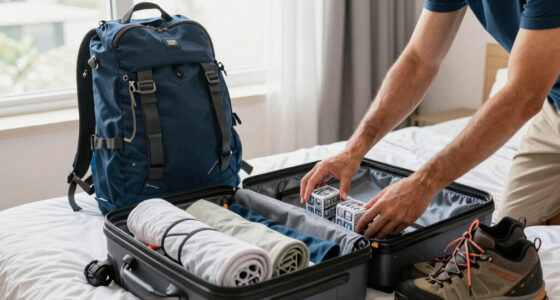
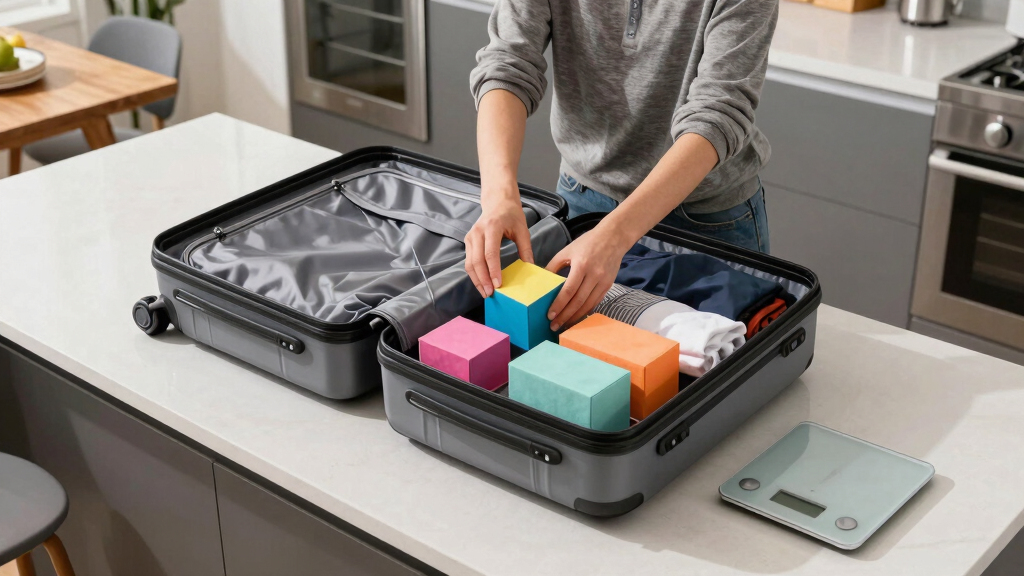
Use packing cubes and compression gear to maximize space and keep everyone’s clothes organized.
Tailor your packing approach for each age group—babies, kids, teens—to reduce your load and boost independence.
Always pack an essentials bag with enough supplies for 24–48 hours, in case checked luggage is delayed.
How to Pack for Family Travel Using a Complete System
Stop re-packing from scratch before every trip. A complete system — a living master list, pre-packed go kits, standardized luggage, and clearly assigned roles — turns chaotic, last-minute stuffing into a repeatable framework that cuts prep time, prevents forgotten essentials, and adapts to any trip and any age.
categories
go kits
on a 7-day trip
playbooks
before departure
Four pillars replace last-minute chaos
Each pillar removes a category of decisions from departure day. Together they form a system you run — not a pile of stuff you remember.
The Master List
One reusable blueprint organized by category: clothing, toiletries, documents, medications, entertainment, snacks, baby gear. Keep it digital and shared — update it after every trip with what worked and what didn’t.
Pre-packed Go Kits
Dedicated kits that stay packed year-round: a toiletry bag with travel-size duplicates, a first-aid pharmacy, a documents folder, and a kids’ entertainment bag refreshed per trip.
Standardized Luggage & Cubes
Same bags every trip, with color-coded packing cubes per child and per category. Compression cubes or vacuum bags shrink bulky winter gear; carry-on sizing dodges fees and lost-luggage risk.
Assigned Roles
Each adult owns categories — one takes toiletries, another documents, another entertainment. Kids pack their own small bags from a checklist. A final walkthrough verifies chargers, medications, and home security.
The five-step departure run
Run the same sequence before every trip, big or small. Most of the work is already done — you’re assembling, not inventing.
Luggage gets delayed. Connections get missed. The essentials bag assumes it will happen and covers everything your family needs for the first one to two days — so a baggage mishap becomes an inconvenience, not a ruined trip.
Rule of the system: this bag is never checked. One small backpack per adult plus a shared kids’ bag covers the whole family through any airport surprise.
Pack it, buy it, or rent it?
Bulky baby gear is where family packing breaks down. The system’s rule: haul only what’s irreplaceable or free to check — source the rest at the destination.
| Item | Pack from home | Buy at destination | Rent at destination |
|---|---|---|---|
| Diapers & wipesTransit + 1–2 days supply | ~Only the formula amount — don’t overload | ✓Buy the bulk of the supply on arrival | ✗Not a rental category |
| Travel cribSleep setup for babies & toddlers | ~If you own one and trust it | ✗Costly, wasteful for one trip | ✓Hotel crib or baby-gear rental service |
| Car seatSafety-critical, airline-dependent | ✓Check free at the gate on most airlines | ✗Expensive, wrong-fit risk | ~Possible, but inspect condition carefully |
| StrollerTransit-day workhorse | ✓A compact umbrella model earns its space | ✗Rarely makes sense | ~Handy at theme parks and resorts |
| Bulky toys & beach gearFloaties, buckets, big comfort items | ✗Space-killers, leave them home | ✓Cheap on arrival, donate at departure | ~Often included with beach rentals |
One system, three playbooks
Tailoring by age shrinks your physical load and builds kids’ responsibility — the system grows with them.
Babies & Toddlers
- Diaper formula: pack for transit plus 1–2 days; buy the rest at the destination.
- Sleep: rent a crib or reserve a hotel crib instead of hauling one.
- Car seat: bring your own and gate-check it free, or vet a rental carefully.
- Comfort kit: lovey, snacks, and a change of clothes ride in the essentials bag.
School-Age Kids
- Own small bag: each child packs a personal bag from a simplified checklist.
- Color-coded cubes: one cube color per kid ends the “whose shirt is this?” problem.
- Independence builds: owning their bag cuts parent workload and last-minute surprises.
- Entertainment kit: refreshed before each trip — books, tablets, small toys.
Teens
- Full luggage ownership: their list, their bag, their responsibility.
- Capsule wardrobe: neutral, layerable, mix-and-match pieces keep volume low.
- Quick-dry fabrics: sink-wash and re-wear supports carry-on-only travel.
- Self-reliance pays off: the habit transfers to school trips and solo travel later.
What the system actually changes
Survey-reported outcomes for structured packing, plus the clothing math that keeps luggage light.
Indexed to ad-hoc packing = 100. Lower is better on both measures.
Outfits = trip days + spares. Each block is one outfit; green blocks are the spares.
Trip longer than a week? The formula caps out: pack for 5–7 days regardless of trip length and plan laundry — sink washing or hotel service — with quick-dry, mix-and-match pieces.
Every item traces back to the list
Nothing enters a suitcase at random — each piece flows from the master list through kits, cubes, and roles to the departure gate.
Build a Master Packing List That Never Gets Forgotten
The foundation of a family travel system is a comprehensive, reusable packing list. Think of it as your trip’s blueprint—organized by categories like clothing, toiletries, documents, medications, entertainment, and baby gear.
Why does this matter? Because a detailed list ensures you don’t overlook essentials, which can lead to last-minute shopping or forgotten items that disrupt your trip. It also helps you understand what’s truly necessary for each trip, avoiding overpacking or underpacking. The tradeoff is that maintaining a thorough list requires initial effort and regular updates, but this investment pays off by reducing stress and last-minute scrambling. Use digital tools like a shared Google Doc, a note app, or a dedicated packing app to keep it accessible. Update it after each trip based on what worked and what didn’t. For example, if you always pack an extra set of clothes for each kid, add it to the list permanently.
This master list becomes your starting point for every trip, big or small. It cuts down packing time and helps prevent those last-minute panic moments before departure.
As an affiliate, we earn on qualifying purchases.
Create Pre-packed ‘Go Kits’ for Effortless Packing
Pre-packed kits are your secret weapon for quick, reliable packing. Think of them as dedicated compartments filled with essentials—like a toiletry bag with travel-size shampoos, toothbrushes, and lotions—that are always ready. The importance lies in consistency; having these kits prepared means you eliminate the need to gather items at the last minute, reducing the chance of forgetting something vital. For example, a well-stocked first-aid kit ensures you’re prepared for minor injuries without rummaging through drawers. Keep a documents folder with passports, IDs, and travel confirmations in the same place, so they’re always accessible. For kids, assemble a dedicated entertainment bag—coloring books, tablets, or favorite small toys—that’s refreshed before each trip. This system streamlines your packing process, saving time and mental effort. The tradeoff? Regularly maintaining and replenishing these kits requires discipline, but the payoff is a smoother, more predictable packing routine that minimizes last-minute stress and forgotten items.
pre-packed toiletry kits for travel
As an affiliate, we earn on qualifying purchases.
As an affiliate, we earn on qualifying purchases.
Standardize Clothing & Use Packing Cubes to Save Space
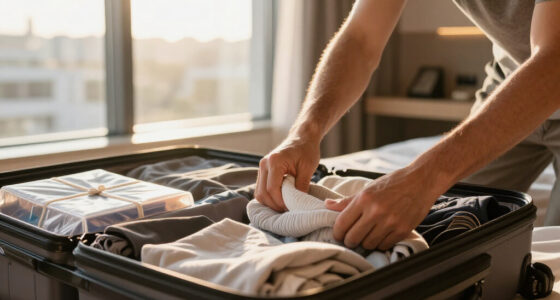
Packing efficiently starts with a formula: roughly one outfit per day, plus a spare or two for kids. For a 7-day trip, pack 8-10 outfits per person, focusing on versatile, mix-and-match pieces. The reason? This approach balances preparedness with packing light, reducing luggage weight and bulk. Use lightweight, quick-dry fabrics that can handle multiple wears, which is especially important for longer trips or when laundry options are limited. Packing cubes are a game-changer because they compartmentalize clothing, making it easier to find what you need without unpacking everything. For example, a blue cube for each kid’s daily outfits, a gray one for pajamas, and a larger cube for bulkier items like sweaters. The key benefit is organization—making unpacking faster and keeping clothes accessible. Additionally, compression cubes or vacuum bags can significantly shrink bulky winter gear, freeing up space. The tradeoff? They add an extra step to packing but greatly enhance space efficiency and organization, especially when managing multiple family members’ belongings.
compression packing bags for luggage
As an affiliate, we earn on qualifying purchases.
As an affiliate, we earn on qualifying purchases.
Age-Specific Packing Tips for Babies, Kids, and Teens
Traveling with different ages requires thoughtful packing strategies. For babies, packing enough diapers and wipes for transit plus a day or two at the destination is essential—consider the tradeoff between packing enough and overloading your bag. Buying locally can balance this out, but planning ahead ensures you’re never caught short. Bringing a travel crib or renting one at your destination can save space and hassle; the choice depends on your comfort level and destination logistics. For car seats, decide whether to bring your own—checking for free at the gate—or rent at the destination, weighing convenience against potential damage or loss. For school-age kids, involving them in packing their own small bag using a checklist fosters independence and reduces your workload. For teens, assigning luggage responsibility encourages them to pack light with capsule wardrobes and versatile clothes, promoting self-reliance. For example, a family heading to a beach resort with a toddler and teens might pack a small diaper bag, a shared family beach bag, and individual carry-ons with their personal essentials, keeping everyone involved. Why does this matter? Because tailoring packing strategies by age not only reduces your physical load but also promotes responsibility and independence in children, setting them up for smoother trips and fewer last-minute surprises.
As an affiliate, we earn on qualifying purchases.
Master the Carry-On & Essentials Bag for No Surprises
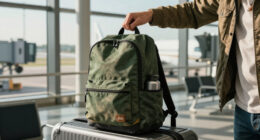
The key to avoiding baggage chaos is to pack a dedicated essentials bag with everything needed for 24-48 hours. Why? Because even in the best scenarios, luggage delays or misplacements happen, and having immediate access to essentials prevents these incidents from ruining your trip. Think of it as a safety net—containing change of clothes, medications, chargers, snacks, and comfort items. This bag stays with you, not checked in, ensuring you have what you need at all times. Including spill-proof water bottles and kid-friendly snacks can keep everyone content during transit, reducing irritability and fussiness. If checked luggage gets delayed or lost, you’re still set with your basics, minimizing stress and inconvenience. For example, a family flying across the country packs a small backpack for each adult and a shared kids’ bag with essentials, ready for any airport mishap. Why does this matter? Because it provides peace of mind—knowing that no matter what happens to your main luggage, your family’s immediate needs are covered, allowing you to focus on enjoying your journey rather than troubleshooting issues.
Assign Roles & Run a Final Checklist Before Departure
Don’t leave packing to the last minute. Assign specific categories—one adult handles toiletries, another manages documents, someone else checks entertainment. Why? Because clear roles prevent duplication, forgetting, and last-minute chaos. Use a final checklist to verify essentials like chargers, medications, and home security. This step ensures nothing slips through the cracks, especially when multiple people are involved. Create a routine: an hour before departure, everyone does a quick walk-through—bags zipped, keys and passports in hand, house secured. This routine reduces stress and last-minute surprises, ensuring all details are covered. For example, one parent double-checks the travel documents while the other confirms all electronics are charged. Kids do a quick sweep for their favorite toy or blanket. Why does this matter? Because a coordinated, final review fosters confidence and minimizes the risk of forgetting crucial items or last-minute issues, making your departure smoother and more relaxed.
Frequently Asked Questions
How many outfits should I pack per day for kids?
Plan on roughly 1.5 outfits per day for young children, plus pajamas. For older kids, adjust based on activities and laundry options. Packing a few extra sets prevents last-minute washing or outfit stress.
Should I bring the car seat and stroller, rent them, or check them?
It depends on your destination and travel style. Car seats can be checked for free at the gate but risk damage. Renting at the destination often saves space and hassle, especially for short stays. Consider your comfort, convenience, and airline policies.
What’s the best way to handle diapers, formula, and baby food at security?
Bring enough for transit plus a day or two. Declare liquids over 3.4 oz and separate them in your security bin. Baby food, formula, and breast milk are exempt but should be declared. Use spill-proof containers for ease and cleanliness.
How do I make my kids responsible for packing?
Introduce age-appropriate checklists and give them a small bag or cube for their belongings. Make it a fun routine, and praise their independence. It reduces your load and helps them learn packing skills early.
Are packing cubes worth the investment?
Absolutely. They organize clothes by category or person, save space with compression, and make unpacking faster. For families, they turn chaos into order, especially when managing multiple bags and kids’ belongings.
Conclusion
Family trips don’t have to be chaos. A repeatable, organized packing system turns last-minute stress into confidence. When everything has its place, you arrive ready for anything—beach, mountain, or city.
Start building your system today. After all, the best trips happen when you’re prepared—and that begins with smart packing.
Halloween Picks
halloween
As an affiliate, we earn on qualifying purchases.