TL;DR

Get travel and outdoor gear delivered free with Prime
- Fast, free delivery on millions of items
- Prime Video, Amazon Music and more included
- Member-only deals all year
Luggage locks mainly deter opportunists, not determined thieves. TSA-approved combination locks offer convenience and compliance, but no lock is unbreakable. Combining locks with tracking devices boosts security and peace of mind.
Imagine arriving at your hotel, opening your checked bag, only to find your lock cut off — even when you thought it was secure. That’s the reality of travel security. But choosing the right luggage lock can make a real difference, giving you confidence and deterring casual thefts.
In this guide, you’ll learn how to pick the best locks for your bags — from TSA-approved combination locks to flexible cables, smart locks, and built-in solutions. We’ll cover what works, what doesn’t, and how to set realistic security expectations for your travels.
TSA-approved locks with the red diamond logo are essential for US travelers to prevent damage during inspections.
Combination locks offer convenience and are widely TSA-recognized, but no lock is unbreakable; they mainly deter casual theft.
Materials like hardened steel and thick cables resist cutting better, extending the life and security of your lock.
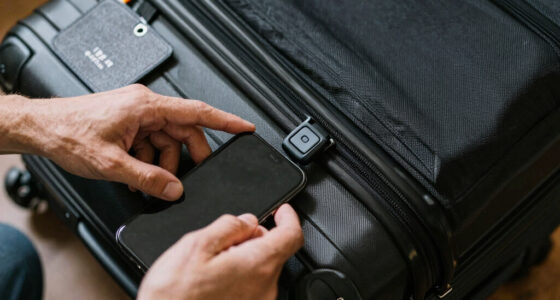
Smart locks add tech convenience but come with battery and TSA recognition caveats—use them as part of a layered security approach.
Always set realistic expectations: locks keep honest people honest, but determined thieves can still find a way through.
Why TSA-approved locks are a must for US travelers
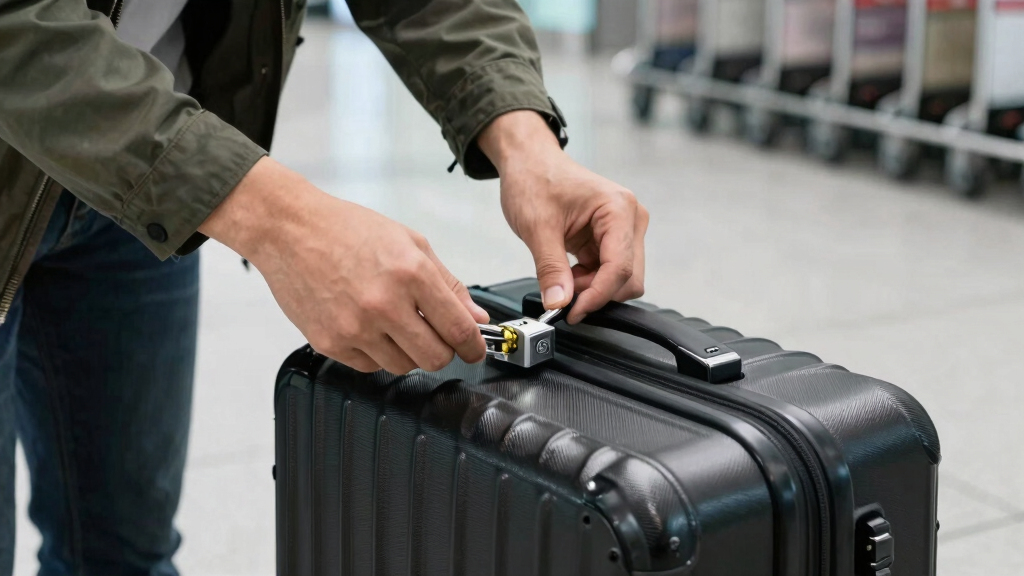
TSA-approved locks are recognized by airport security, allowing agents to open and relock your bags without cutting them open. They feature the red diamond Travel Sentry logo or TSA00x codes. This simple feature can save you from losing your lock or damaging your bag during inspections.
For example, if TSA agents see a non-TSA lock, they might cut it off, especially if they need more access to inspect. Using approved locks means they can open your bag smoothly, avoiding damage and extra hassle.
Remember, TSA-approved locks work in many countries outside the US too — Canada, the UK, Japan, and Australia honor the master key system. So, this isn’t just a US concern.
TSA approved combination luggage lock
As an affiliate, we earn on qualifying purchases.
As an affiliate, we earn on qualifying purchases.
Picking the right lock type: pros and cons in plain language
When it comes to luggage locks, the choices can be confusing. Here’s a quick rundown of the most common types, with their strengths and weaknesses.
| Lock Type | Strengths | Weaknesses |
|---|---|---|
| Combination Locks | No keys to lose, easy to reset, widely TSA-recognized | Limited to 4-dials (10,000 combos), can be cracked with enough time |
| Keyed Padlocks | Simple, reliable, some come with multiple keys | Keys can get lost, inconvenient to carry extra keys |
| Cable Locks | Flexible, fits multiple zipper pulls, good for locking to racks | Less cut-resistant, easier to snip with bolt cutters |
| Built-in Locks | Integrated into luggage, no separate lock needed | If they break, entire case may be compromised |
| Smart Locks | Bluetooth control, app alerts, fingerprint options | Battery dependence, TSA recognition varies, security questions |
Choosing the right lock involves understanding the trade-offs. Combination locks are convenient because you don’t have to carry extra keys, which can be lost or forgotten, but their limited number of combinations means they can eventually be cracked with enough effort. Keyed locks are straightforward and reliable but risk losing the key, and carrying multiple keys can be cumbersome. Cable locks offer flexibility, but their ease of cutting makes them less secure against determined thieves. Built-in locks provide convenience but can be a single point of failure — if they malfunction, replacing the whole lock or luggage can be costly. Smart locks add modern features like remote control and alerts, appealing to tech-savvy travelers, but their reliance on batteries and inconsistent TSA recognition mean they should be part of a layered security approach rather than the sole solution.
hardened steel cable lock for luggage
As an affiliate, we earn on qualifying purchases.
As an affiliate, we earn on qualifying purchases.
What your lock actually protects against — and what it doesn’t
A luggage lock mostly stops opportunistic theft and keeps zippers closed. It’s like a sign saying, please don’t snoop. But it won’t stop a determined thief with bolt cutters or lockpicking skills. Understanding this distinction is crucial because it influences your security strategy. If your primary concern is preventing casual theft or accidental opening, a good lock suffices. However, if you’re worried about professional theft or targeted attacks, relying solely on a lock is insufficient. The main value of a lock lies in signaling that your bag is attended and slightly raising the effort needed for theft, but it should never be your only line of defense. Combining locks with other measures like tracking devices or keeping valuables in your carry-on enhances overall security and peace of mind.
As an affiliate, we earn on qualifying purchases.
Materials matter: what makes a lock cut-resistant
Locks made with hardened steel shackles and thick cables stand up better against cutting attempts. Brass or zinc alloy are softer and easier to break. Choosing materials wisely can extend the life of your lock and improve its security. For instance, a lock with a 3mm hardened steel shackle provides significantly more resistance to bolt cutters than one with a thinner or softer metal shackle. Additionally, weather-resistant coatings and rust-proof materials ensure the lock remains functional after exposure to rain, salt, or rough handling during travel. The investment in durable materials pays off by reducing the likelihood of a lock failing at a critical moment and discouraging thieves who prefer easier targets. Think of it as choosing armor: the better the material, the harder it is for someone to breach your defenses.
TSA recognized padlock for suitcases
As an affiliate, we earn on qualifying purchases.
As an affiliate, we earn on qualifying purchases.
Practical features that actually matter when locking up
Look for locks with features that fit your travel style. Resettable combination dials prevent losing keys. Red indicator flags show TSA has opened your bag, providing transparency and reducing the risk of unnecessary re-locking. Open-alert features can notify you if someone tampered with your lock, giving you a heads-up during your trip. Practical features like multi-pack discounts make it easier to secure multiple bags, especially for families or group travelers. Flexible cables allow you to lock multiple zippers or secure your luggage to immovable objects, adding an extra layer of deterrence. For example, a traveler who frequently flies for business can benefit from a TSA lock with an open-alert indicator, as it provides immediate feedback if their bag was searched, avoiding surprises at baggage claim and allowing for quick action if needed.
Smart locks and high-tech options: are they worth it?
Smart luggage locks use Bluetooth or fingerprint sensors, giving you remote access or quick unlocking. They appeal to tech-savvy travelers wanting extra control and alerts. However, their reliance on batteries can be a drawback, as dead batteries can lock you out or require replacement — which isn’t always convenient during travel. Airlines also often restrict or prohibit lithium-ion batteries in checked luggage, limiting smart lock options or necessitating removal before flying. Not all smart locks are TSA-recognized, which can lead to issues during security checks, potentially causing delays or damage. Therefore, while smart locks offer modern convenience, they should be viewed as part of a layered security approach, used alongside traditional locks and other precautions. They are best suited for travelers who prioritize tech features and are prepared to manage their batteries and compatibility issues.
How to choose your perfect lock in 3 simple steps
- Determine your security needs: casual deterrent or serious protection? For most travelers, TSA-approved combination locks strike the right balance. Consider whether your primary concern is preventing casual snooping or deterring theft with more determination.
- Assess your luggage type: built-in locks suit hardcases; cables work well for zippers and lockers. Think about ease of use, compatibility, and how your luggage’s design affects your choice.
- Check airline and security rules: verify if smart locks, batteries, or special features are permitted on your flights. Being aware of restrictions can prevent surprises and ensure smooth travel.
For example, if you frequently fly within the US, a TSA-approved combination lock with a red flag indicator offers peace of mind without complicating security checks. Tailoring your choice to your travel habits ensures better security and less hassle.
Frequently Asked Questions
Do I really need a TSA-approved lock?
Yes, especially for checked bags in the US. TSA agents can open and relock TSA-approved locks without damaging your luggage, saving you from losing your lock or dealing with damage.Can TSA locks be opened by thieves?
Yes. Master keys have leaked online since 2014, and cheap locks can be picked or cut. They mainly serve as a deterrent for casual snooping, not determined criminals.Is a combination or keyed lock better?
A combination lock means no keys to lose and easy resetting, making it popular. Keyed locks are simple but risk losing the key. Your choice depends on personal preference and convenience.Will TSA cut off my non-TSA lock?
Yes, TSA may cut off non-approved locks if they need access for inspection. They’re not required to replace or reimburse for damage, so TSA-approved locks are safer for peace of mind.Can I lock my carry-on?
Yes, but keep in mind that your bag may be opened for screening. Locking carry-ons is mostly useful when leaving them unattended in hotels or hostels, not for security checks.Conclusion
Choosing the right luggage lock is about balancing security, convenience, and realistic protection. A TSA-approved combination lock with hardened steel shackles offers a reliable, low-hassle safeguard for most travelers—just don’t forget, no lock is invincible.
Think of your lock as a sign: don’t pick me, I’m watched. Pair it with good habits like carrying valuables on board and tracking your bags. That’s how you turn peace of mind into travel confidence.
Fall Picks
fall essentials
As an affiliate, we earn on qualifying purchases.