
TL;DR

Get travel and outdoor gear delivered free with Prime
- Fast, free delivery on millions of items
- Prime Video, Amazon Music and more included
- Member-only deals all year
Tall travelers need carry-ons with longer handles, larger interior space, and lightweight design. Focus on adjustable handles that extend beyond 40 inches and durable, smart features for hassle-free travel.
Ever tried lugging a standard carry-on and felt like you were hunching over a mountain? If you’re tall, that struggle is real. But it’s not just about fitting your clothes inside — it’s about comfort, control, and making your trip smoother from gate to gate.
This guide will walk you through exactly what features matter most for tall travelers when choosing a carry-on. No fluff, just practical advice based on real dimensions, latest tech, and your unique needs.
Prioritize a handle that extends at least 40 inches to avoid hunching and back strain.
Choose a size close to 22 x 14 x 9 inches to meet airline standards while maximizing interior space.
Lightweight materials like polycarbonate help keep total weight under 7 lbs, easing lifts and pulls.
Test handle comfort and extension before purchase, especially if you’re over 6 feet tall.
Consider features like multiple handle heights, spinner wheels, and organizational pockets for ease of travel.
How to Choose the Best Carry-On for Tall Travelers
The short answer: prioritize a telescoping handle that reaches at least 40 inches, a lightweight body under 7 pounds, and dimensions close to 22 × 14 × 9 inches. The right combination keeps your back straight, your stride natural, and your trip smoother from gate to gate.
Size matters. Reach matters more.
A carry-on must fit the overhead bin, but its handle determines how comfortably it fits your body. Tall travelers should evaluate the suitcase and handle as one ergonomic system.
Handle reach
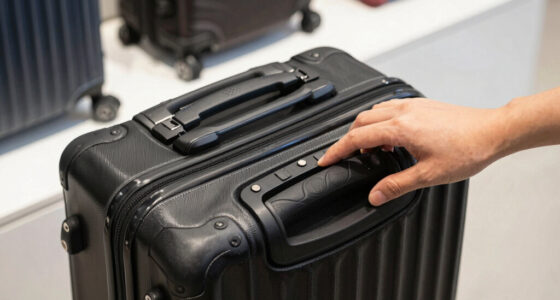
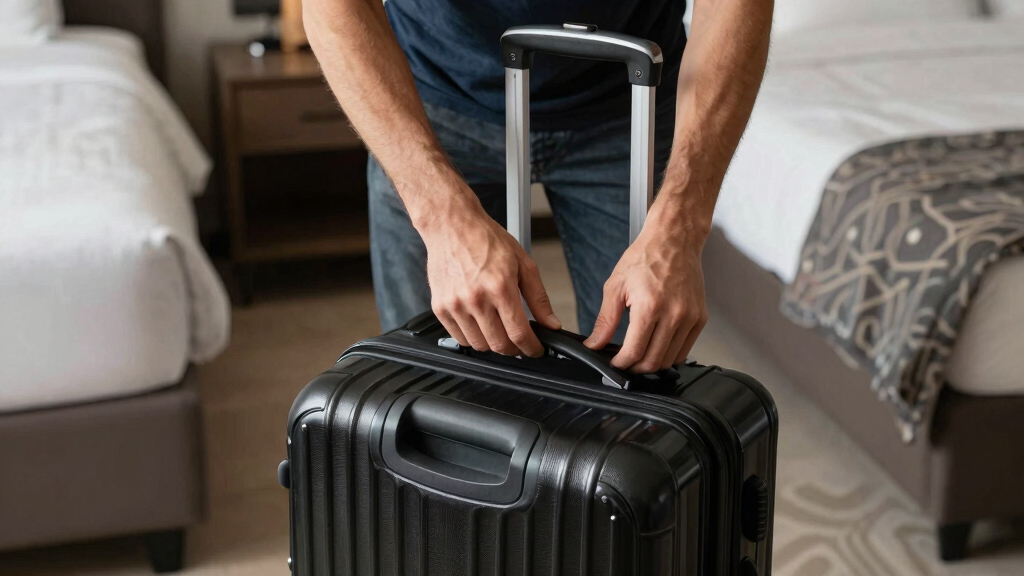
Choose a maximum extension of at least 40 inches. Up to 42 inches can better accommodate travelers above 6′2″.
External size
Aim close to 22 × 14 × 9 inches to maximize space while staying within many airline cabin limits.
Empty weight
Target under 7 pounds. Polycarbonate and modern fabrics reduce strain without giving up useful durability.
Match a long handle with smooth wheels
A tall handle cannot compensate for wheels that drag or wobble. Four quality spinner wheels allow 360-degree movement and reduce the pulling force transferred to your wrist, shoulder, and back.
Smart interior
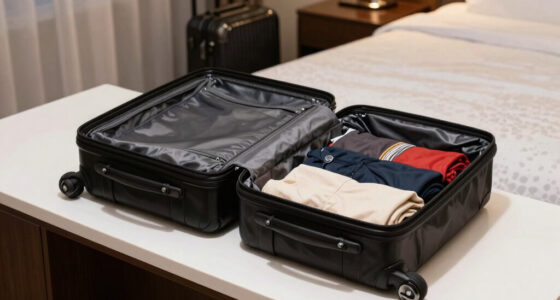
Compression straps, divided compartments, and accessible pockets help use 30–40 liters efficiently without creating an unstable, top-heavy load.
The handle comfort zone
Maximum extension in inchesFive checks before you buy
Specifications narrow the field. A short real-world test reveals whether the bag actually supports your height, posture, grip, and walking style.
Extend fully
Confirm the published maximum is measured from floor to grip.
Stand upright
Your shoulders should stay back without bending at the waist.
Check the grip
Look for a soft, non-slip surface with no twisting or sharp edges.
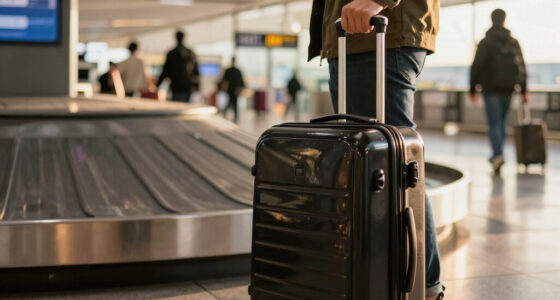
Walk loaded
Test turns, long strides, curb changes, and crowded-space control.
Lift overhead
Make sure the empty shell leaves enough weight capacity to pack.
Hard shell or soft shell?
Neither format is universally better for tall travelers. Choose protection and structure for fragile loads, or prioritize lighter weight and flexible packing.
| Feature | Hard-shell | Soft-shell |
|---|---|---|
| Protection | ✓Excellent impact protection for electronics and fragile items. | ~Good shock absorption, but less rigid protection. |
| Typical weight | ~Usually around 7–9 lb, depending on material and frame. | ✓Often around 5–7 lb and easier to lift overhead. |
| Expandability | ✗Limited by the rigid shell and fixed structure. | ✓Frequently expandable with flexible exterior pockets. |
| Durability | ✓Strong resistance to impacts, compression, and moisture. | ~More forgiving when squeezed, but fabric may scuff or tear. |
| Tight spaces | ✗Rigid dimensions leave little room for adjustment. | ✓Can flex into tighter overhead-bin spaces. |
| Tall-traveler edge | ✓Stable structure can support a firm telescoping-handle assembly. | ✓Lower weight can reduce fatigue during repeated lifts and pulls. |
Protection comes first
You carry fragile technology, travel frequently, or want a highly structured case that resists compression and impact.
Weight and flexibility lead
You value easier lifting, exterior access, expandability, and the ability to adapt the bag to tight storage spaces.
From measurement to easier travel
The best purchase is not a collection of features. It is a connected ergonomic system that turns correct dimensions into comfort throughout the journey.
40–42″ handle. Under 7 lb. Four smooth spinners.
Pair those ergonomic fundamentals with a 22 × 14 × 9-inch footprint, 30–40 liters of organized space, and durable materials. Smart extras such as TSA-approved locks, tracking, charging, and expandable panels are useful only after the fit is right.
What size works best?
Start near 22 × 14 × 9 inches, then verify the exact restrictions of the airlines you fly most often.
How do I test handle comfort?
Extend it fully and walk naturally. The grip should sit beyond your waist without forcing your shoulder forward or your back down.
Can a lightweight bag still have a tall handle?
Yes. Modern polycarbonate and fabric models can pair extended handles with empty weights below seven pounds.
Which brands should I investigate?
Travelpro, Briggs & Riley, and Tumi often offer ergonomic designs, but always verify each model’s actual handle measurement.
Why Size Matters More for Tall Travelers
Size isn’t just about fitting in the overhead bin — it’s about how comfortably you can maneuver your luggage. Tall travelers often face tighter quarters and awkward lifts. A bag that’s too small can limit what you pack, forcing you to leave essentials behind or struggle with overstuffed compartments. Conversely, a bag that’s too large may not meet airline restrictions, leading to last-minute repacking or additional fees.
Choosing a size close to the standard 22 x 14 x 9 inches ensures compliance with most airline regulations, but the real key is how the handle extends. A longer handle, say 42 inches, allows you to maintain proper posture, reducing strain on your back and shoulders. This means less fatigue after long travel days and fewer injuries caused by awkward lifting or pulling. The tradeoff is that larger handles might slightly add to the weight or complexity of the luggage, but the comfort benefits outweigh these concerns.
In essence, the right size and handle length work together to create a smoother, less tiring travel experience, especially critical for tall travelers who are more susceptible to discomfort from improper luggage ergonomics.
How to Pick a Luggage Handle That Fits Your Height
- Check the handle’s maximum extension — aim for at least 40 inches. This measurement ensures that even the tallest travelers can pull the bag without hunching or bending excessively, which can cause fatigue or back pain over time.
- Test the handle in-store or read reviews—look for feedback about actual extension length and comfort. Handles that extend beyond your waist (roughly 36 inches for most adults) allow a more natural arm position, reducing strain on your shoulders and back.
- Ensure the handle has an ergonomic grip — soft, non-slip, and sturdy. A comfortable grip prevents slipping and reduces pressure on your hands, especially during long pulls or in wet conditions.
- Consider models with multiple handle height settings for versatility. This feature allows you to adjust the handle to your specific height, optimizing comfort and reducing the risk of repetitive strain injuries.
- Pick a bag with smooth, high-quality wheels that handle well when fully loaded. Good wheels complement a long handle by making maneuverability effortless, especially on uneven surfaces or crowded terminals.
For example, a traveler over 6’2″ found that a suitcase with a handle extension of 42 inches allowed her to keep her shoulders back and maintain proper posture during long pulls, significantly reducing back discomfort. This demonstrates that investing in a handle that suits your height isn’t a luxury — it’s a necessity for maintaining comfort and avoiding injury on the road.
Compare Hard-Shell vs. Soft-Shell Carry-Ons for Tall Travelers
| Feature | Hard-Shell | Soft-Shell |
|---|---|---|
| Protection | Excellent, guards against impacts, ideal for fragile items or delicate electronics. This protection can be crucial when navigating crowded airports or handling rough baggage checks, giving tall travelers peace of mind that their belongings are safe. | Good, but more flexible. Soft-shells absorb shocks better and can be squeezed into tighter spaces, which is advantageous when storage options are limited or overhead compartments are small. However, they may offer less protection for fragile items. |
| Weight | Generally heavier, around 7-9 lbs, which could add to total travel weight, but this is often offset by durability and protection benefits. | Usually lighter, around 5-7 lbs, making it easier to lift and maneuver, especially important for tall travelers who want to minimize fatigue. |
| Expandability | Limited, mostly rigid, which means less flexibility in packing but ensures structure and protection. | Often expandable, offering more interior space when needed, but this can sometimes compromise overall rigidity and handle extension. |
| Durability | Very durable, resists scratches and impacts, providing longevity especially important for frequent travelers. | Less impact resistant but often more forgiving if bumped or squeezed, which can be advantageous in tight storage situations. |
| Flexibility | Less forgiving, rigid, which might make packing more challenging but offers better protection. | More forgiving, can squeeze into tight spaces, and adapt to varied packing needs, but may sacrifice some structural integrity. |
For tall travelers, the choice between hard-shell and soft-shell often hinges on specific needs: if protecting fragile items and durability are priorities, a hard-shell might be best. But if maneuverability, weight, and flexibility matter more, a soft-shell offers significant advantages. Understanding these tradeoffs helps you select a luggage type that aligns with your travel style and comfort requirements.
Frequently Asked Questions
What is the best size for a carry-on for tall travelers?
A carry-on close to 22 x 14 x 9 inches, with a handle that extends to at least 40 inches, offers a good balance of size, comfort, and airline compliance for tall travelers.How do I check if a handle will be comfortable for my height?
Measure your height and compare it with the handle’s maximum extension. Test in-store or read detailed reviews to ensure it extends beyond your waist by 4-6 inches, reducing strain.Are soft-shell or hard-shell suitcases better for tall travelers?
Both work well. Hard-shell provides superior protection, while soft-shell offers flexibility and often lighter weight. Your choice depends on your packing needs and travel style.Which brands are known for luggage suitable for tall travelers?
Brands like Travelpro, Briggs & Riley, and Tumi frequently feature models with longer handles and ergonomic designs suited for taller users.Can I find lightweight carry-ons with tall handles?
Absolutely. Many modern luggage options incorporate extended handles and lightweight materials, making it easy to find a bag that fits your height and weight preferences.Conclusion
Choosing a carry-on that suits your height isn’t just about fitting in the overhead — it’s about making travel less tiring and more efficient. Focus on a longer handle, lightweight build, and smart features to turn airports into just a part of your journey, not a challenge.
Next time you pack, picture yourself rolling effortlessly, your back straight, and your mind at ease. That’s the power of the right luggage — it’s more than just a bag; it’s your travel partner, built for you.
Halloween Picks
halloween
As an affiliate, we earn on qualifying purchases.