
TL;DR

Get travel and outdoor gear delivered free with Prime
- Fast, free delivery on millions of items
- Prime Video, Amazon Music and more included
- Member-only deals all year
The best carry-on for international travel combines strict size compliance, lightweight durability, and smart features. Knowing airline limits and what to prioritize saves time and stress at the airport.
Picture this: you’re rushing through a busy airport, your carry-on gliding smoothly behind you. No fuss, no extra fees. That’s the power of choosing the right carry-on luggage for international travel. It’s not just about size; it’s about making sure your bag fits airline rules, protects your belongings, and moves easily through crowded terminals.
In this guide, you’ll learn how to pick a carry-on that ticks all those boxes. From measurements and materials to smart features and real-world tips, I’ll help you avoid surprises and travel smarter. Because with the right bag, your trip starts the moment you step in line, not when you reach your gate.
Always measure your luggage at home, including wheels, to avoid surprises at the airport.
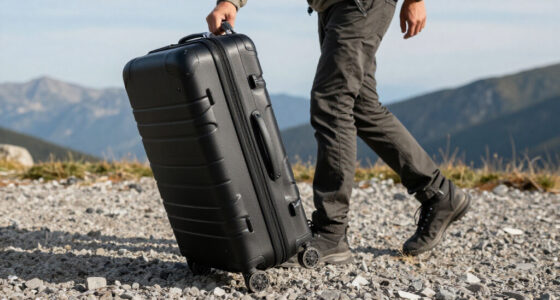
Lightweight materials like polycarbonate or nylon save weight for more packing capacity.
Smart features can add convenience but weigh the cost against your travel needs.
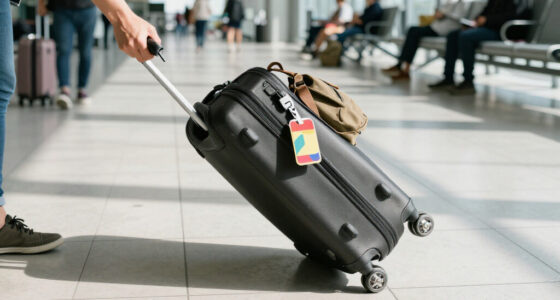
Bright colors and distinctive tags help your bag stand out amid hundreds of similar ones.
Adhering strictly to airline size and weight limits prevents checked baggage fees and delays.
How to Pick a Carry-On That Fits Airline Rules Without Surprises
The first step is knowing the size limits. Most airlines follow a standard of 22 x 14 x 9 inches for carry-ons, including wheels and handles. That’s roughly the size of a standard school backpack but with a lot more capacity.
Imagine fitting everything for a two-week trip into that space — it’s doable if you choose wisely. Check your airline’s specific rules before buying, as some low-cost carriers are stricter, with 21 x 13 x 7 inches as the maximum.
Pro tip: always measure your chosen bag at home. Many popular models list their dimensions in specs, but actual size can vary slightly due to wheels or handles. A bag that measures 21.5 x 13.5 x 8.5 inches will usually slide under most airline limits, but double-check with your airline’s website for updates.
What Materials Make a Carry-On Durable and Light?
Durability and weight are the yin and yang of good travel luggage. Hard-shell options like polycarbonate are tough and scratch-resistant, which matters because airport baggage handlers can be rough, and your belongings need protection from impacts and rough handling. Soft-shell bags, made from nylon or polyester, are lighter and more flexible — handy when space is tight or when you need to squeeze into crowded overhead compartments.
Choosing between them involves tradeoffs: hard-shells offer superior protection but tend to be heavier and less forgiving when you need to pack in a pinch. Soft-shells are lighter and often more expandable, but they might wear faster or offer less impact resistance. Recent advances in lightweight polycarbonate provide a middle ground, giving you tough protection without the extra weight. Eco-friendly options made from recycled plastics are increasingly available, allowing you to travel sustainably while still prioritizing durability and weight considerations.
Compare Top 3 Lightweight Carry-Ons for International Travel
| Model | Size (inches) | Weight | Capacity (liters) | Price Range | Material | Wheels |
|---|---|---|---|---|---|---|
| TravelPro Maxlite 5 | 21.5 x 14 x 9 | 5.5 lbs | 44 | $150-$200 | Polyester | 4 spinner |
| Samsonite Omni PC Hardside | 22 x 14 x 9 | 7.2 lbs | 50 | $180-$250 | Polycarbonate | 4 spinner |
| Briggs & Riley Sympatico | 21 x 14 x 8.5 | 5.8 lbs | 42 | $250-$350 | Ballistic nylon | 4 spinner |
Each of these options weighs less than 8 pounds, which is crucial because every extra pound reduces your packing capacity or means exceeding airline weight limits, risking additional fees or hassle. Their sizes are within standard airline allowances, but understanding the material helps you weigh durability versus weight. For example, a lightweight polycarbonate shell offers strong impact resistance without adding much bulk, ideal for protecting fragile items or electronics. Soft-shell options like nylon provide flexibility and expandability, perfect for travelers who need extra space or anticipate packing more on return trips. The choice involves balancing these factors based on your travel style and destination.
Smart Features That Make International Travel Easier
Smart luggage can include built-in GPS trackers, USB ports, and TSA-compatible locks. Imagine flying through security without digging through your bag for a lock or worrying about theft. A GPS tracker in your suitcase means you always know where it is, even if it gets delayed or lost. This is especially valuable for international trips where luggage handling can be less predictable. USB ports allow you to charge devices on the go, which can be a lifesaver during long layovers or when outlets are scarce. Digital locks, controlled via smartphone apps, eliminate the need for remembering combinations or carrying keys, reducing the risk of lockouts or lost keys.
However, these features add weight, cost, and complexity. They might also require regular software updates or maintenance. Consider your travel habits: if you frequently fly through busy hubs, check baggage tracking, or need quick device charging, investing in smart features can significantly reduce travel stress and improve convenience. But if simplicity and lightness are your priorities, traditional luggage without these gadgets might be preferable.
Don’t Forget These Must-Have Security and Organization Features
Secure zippers and TSA-approved locks are essential because they protect your belongings from theft and unauthorized access while still allowing TSA agents to inspect your bag without damage. Lockable compartments or zippers provide an extra layer of security, especially important when leaving your luggage unattended in airports or hotels. Organizational features like multiple compartments, compression straps, and external pockets aren’t just about tidiness; they help you maximize space, prevent items from shifting during transit, and make accessing essentials quick and easy. For example, a dedicated laptop sleeve keeps electronics protected and separate from clothing, while a toiletry pocket prevents spills from damaging other items. Compression straps help flatten out clothes, allowing you to pack more efficiently and keep your belongings compact.
Investing in these features means less time fumbling through your bag and less stress during security checks, ultimately making your travel experience smoother and more secure.
How to Keep Your Carry-On Safe and Easy to Spot
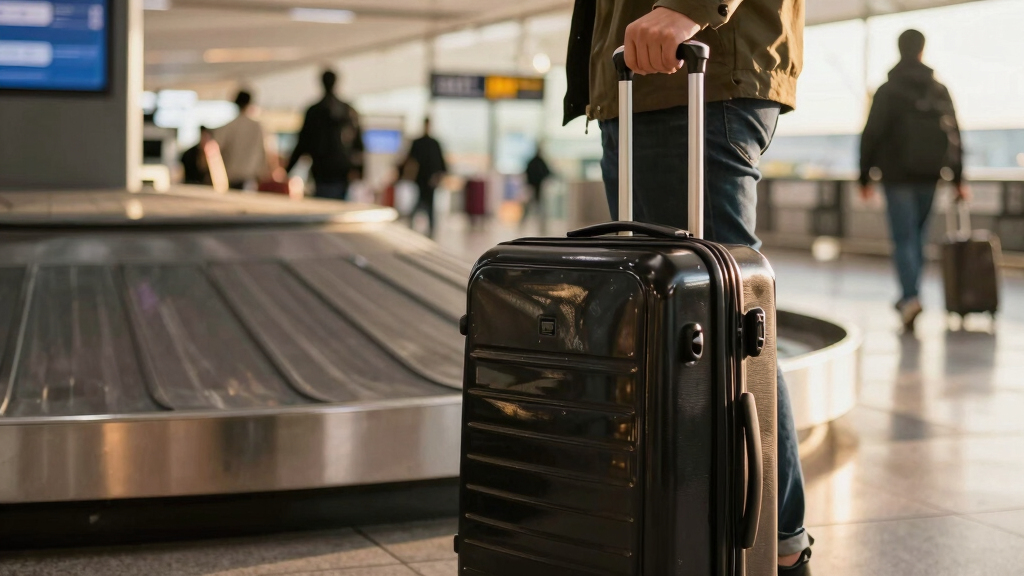
Bright colors, unique patterns, or distinctive tags make your bag stand out on the carousel. A vivid red or patterned exterior reduces the chance of someone grabbing your luggage by mistake, which can be especially common in busy airports. Using a luggage strap or tag with your contact info adds an extra layer of security because it helps you recover your bag if it’s misplaced or mixed up. Reinforced corners and sturdy handles resist damage from rough handling, prolonging your bag’s lifespan and protecting your belongings. Adding a small luggage lock or TSA-approved cable lock provides a final safeguard against theft during transit, especially in crowded or unsecured areas. These simple steps help you identify your luggage quickly and keep it secure, saving time and reducing stress during your journey.
Your Final Checklist Before Heading Out
- Measure your bag at home, including wheels and handles, to ensure it stays within airline limits and fits your packing needs. This prevents surprises at the gate and allows you to select the most suitable model.
- Check your airline’s size and weight limits carefully—these can vary, especially with budget airlines that often have stricter rules. Knowing these details helps you avoid extra fees or delays.
- Choose a durable, lightweight material that balances protection with ease of handling. This choice impacts how much you can pack and how well your bag withstands travel wear and tear.
- Decide if smart features add value for your trips—consider your travel style, destinations, and how much convenience you need versus added weight and cost.
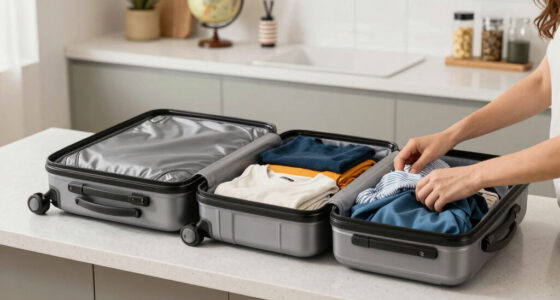
- Pack organized, using compartments and compression straps to maximize space and keep essentials accessible. Organized packing reduces security hassles and makes unpacking easier.
- Secure zippers and add a unique tag or strap for easy identification. These small details help prevent loss and theft, especially in crowded airports.
- Ensure your electronics and valuables are accessible and secure, ideally in separate compartments, to facilitate quick security checks and protect your belongings during transit.
Frequently Asked Questions
What is the best size for a carry-on for international flights?
The standard size is 22 x 14 x 9 inches, including wheels and handles. Always verify your airline’s specific limits, as some low-cost carriers are stricter, with maximum dimensions closer to 21 x 13 x 7 inches.How do I make sure my carry-on is durable but light?
Choose bags made from lightweight polycarbonate or nylon. These materials balance strength and weight, protecting your belongings without adding unnecessary pounds. Recent innovations have improved both durability and weight savings.Are smart luggage features worth the extra cost?
Smart features like GPS tracking, USB ports, and digital locks can make travel more convenient and secure. If you often travel in busy airports or worry about lost luggage, these features can provide peace of mind—though they do add weight and price.What features should I prioritize in a carry-on?
Focus on size and weight compliance, durable materials, secure zippers or locks, and organizational compartments. Smart features are optional but valuable if they fit your travel style.How can I ensure my luggage complies with airline regulations?
Always check your airline’s website for the latest size and weight limits. Measure your bag at home, including wheels and handles, and choose models that stay within those limits. A little extra planning saves headaches at the gate.Conclusion
The perfect carry-on for international travel balances strict size compliance, durable yet lightweight materials, and smart features that fit your style. It’s about planning ahead—checking airline rules, choosing wisely, and organizing smartly.
When your bag feels like an extension of your travel plans, every trip becomes smoother. So, pack smart, travel light, and let your luggage be your silent partner on every adventure.
Halloween Picks
halloween
As an affiliate, we earn on qualifying purchases.