
TL;DR

Get travel and outdoor gear delivered free with Prime
- Fast, free delivery on millions of items
- Prime Video, Amazon Music and more included
- Member-only deals all year
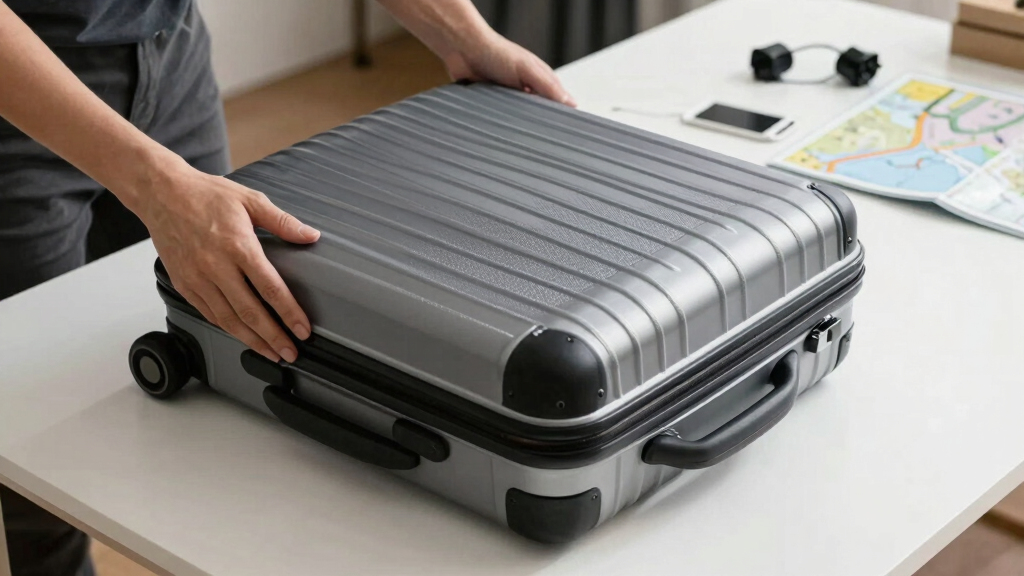
Durable travel luggage hinges on impact-resistant shells, protected wheels, strong handles, and quality zippers. Focus on materials like polycarbonate or ballistic nylon, and look for warranties that cover airline damage for long-lasting use.
Imagine dragging your bag onto a crowded plane, only to see the shell crack or wheels jam after a few trips. That’s the nightmare of investing in luggage that can’t handle the rough treatment of airports. Durability isn’t just about tough materials; it’s about smart design, repairability, and how well the bag withstands the chaos of travel.
In this guide, you’ll learn exactly what features and specs to scrutinize before buying. Whether you’re a frequent flyer or planning a one-off adventure, knowing what makes luggage last makes your trips smoother and your wallet happier.
Prioritize impact-resistant shells like virgin polycarbonate for hardside bags, and ballistic nylon for softside options.
Choose larger, sealed wheels with protected housings—these survive airport curbs and uneven pavements better.
Opt for aluminum telescoping handles and reinforced carry handles for long-term reliability.
Go for high-quality YKK zippers and consider zipperless or latch closures for ultimate durability.
Always check warranties that cover airline damage and see if repair parts are readily available—this extends your bag’s lifespan.
What to Look for in Durable Travel Luggage
A lasting suitcase is more than a tough shell. The real test is whether its wheels, handles, closures, corners, and repair system can survive curbs, conveyors, crowded cabins, and years of repeated lifting.
TL;DR — Prioritize resilient materials, protected hardware, replaceable parts, and a warranty that covers real travel damage.
Inspect the moving parts first
Shells get the marketing attention, but exposed and moving components usually fail first. Test each component under load—not just when the suitcase is empty on a showroom floor.
Protected, sealed, replaceable
Look for large polyurethane wheels, sealed bearings, and recessed housings. Inline wheels trade some maneuverability for better impact protection on curbs and cobblestones.
Target: 50 mm / 2 in or largerLow wobble under load
Aircraft-grade aluminum shafts resist bending better than plastic. Check every locking height, then inspect carry-handle bases for rivets, reinforced stitching, and minimal flex.
Target: metal shaft + secure locksBuilt to resist bursting
Choose YKK coil zippers in #8 or #10 gauge. Double-coil construction adds puncture resistance; framed latch closures remove zipper failure entirely but increase weight and cost.
Target: YKK coil or rigid latchesChoose the right kind of armor
Durability is not simply “hard versus soft.” It is a balance of impact recovery, abrasion resistance, weight, packing flexibility, and how visibly the material ages.
| Material | Impact | Abrasion | Weight | Best use |
|---|---|---|---|---|
| Virgin polycarbonate | ✓ Flexes | ~ Scuffs | Midweight | Frequent checked or carry-on travel |
| ABS plastic | ✗ Brittle | ~ Fair | Light | Occasional, budget travel |
| Aluminum | ✓ Strong | ~ Dents | Heavy | Premium protection and rigid frames |
| Ballistic nylon | ✓ Flexes | ✓ Excellent | Midweight | Rugged softside luggage |
| Cordura nylon | ✓ Flexible | ✓ Strong | Lighter | Abrasion resistance with less bulk |
| Polyester | ~ Fair | ✗ Wears faster | Light | Low-frequency travel |
Where luggage takes the hardest hits
This relative risk map converts common failure patterns into a practical inspection order. Hardware exposure, leverage, and repeated motion make wheels, handles, and closures the critical zone.
Relative inspection priority
A practical risk index—not a market-share breakdown.
Key insight: wheels, handles, and zippers together account for more than 70% of luggage failures.
The rough-surface spec
Reinforcement makes materials work
A premium shell or fabric cannot compensate for weak junctions. Focus on the places where force transfers from one component to another.
Corner protection
Corner bumpers and reinforced edges spread impact forces across a larger area, helping stop cracks and tears from starting at the bag’s most exposed points.
Internal structure
Internal frames resist crushing and keep contents stable beneath stacked bags. Frameless designs save weight but offer less protection under concentrated loads.
Stitching and seams
Softside bags need lock stitching, bartacks at handle bases and strap anchors, plus bound interior seams that resist fraying after repeated loading.
Water defenses
Hardside shells naturally resist splashes. Softside luggage benefits from coated fabric, rain flaps over closures, and water-resistant zipper construction.
The weight-to-durability spectrum
From showroom test to longer life
Durability is a system. A robust part only adds long-term value when it is protected, serviceable, supported, and correctly sized for the journey.
Inspect
Flex shell, roll wheels, load handles, pull closures
Verify
Confirm materials, gauges, dimensions, and hardware
Protect
Choose recessed parts, guards, frames, and rain flaps
Repair
Check availability of wheels, handles, and closures
Extend
Use warranty coverage to keep the bag in service
The six-point durability check
Before buying, score the bag as a complete travel tool. Repair access and warranty terms can matter as much as the original construction.
The most durable bag is the one you can keep repairing.
Replacement wheels, handles, zipper service, and meaningful airline-damage coverage turn a damaged suitcase into a fix—not landfill.
Resilient material
Virgin polycarbonate, ballistic nylon, Cordura, or premium aluminum.
Protected hardware
Large sealed wheels and a rigid, low-wobble aluminum handle.
Heavy-duty access
YKK #8–10 coil zippers, double coil, or zipperless frame latches.
Reinforced stress points
Corner guards, secure rivets, bartacks, and bound seams.
Real warranty coverage
Read exclusions and prioritize policies that cover airline damage.
Airline compliance
Use roughly 22 × 14 × 9 in as a starting point, then verify your carrier.
How Shell Material Stops Cracks and Dents
The shell is your bag’s outer armor. For impact resistance, polycarbonate is king. It flexes when dropped, rebounding without cracking. A Virgin polycarbonate shell, like on higher-end models, can withstand drops from 3-4 feet without damage. ABS plastic, while cheaper, tends to crack under similar stress, especially if thin.
For softside bags, ballistic nylon and Cordura nylon offer excellent abrasion resistance. They flex, rather than crack or tear, even after years of rough handling. Polyester is the budget choice, but it wears faster and tears more easily.
Example: A polycarbonate hard shell bag might weigh 3kg (6.6 lbs) but withstands the impact of a dropped suitcase at a busy airport. Meanwhile, a nylon softside with 1680D fabric flexes on impact, resisting tears from rough conveyor belts.
As an affiliate, we earn on qualifying purchases.
Wheels That Survive Airport Rumbles and Curb Stones
Wheels are the most fragile part of modern luggage — they take a beating every trip. The key is durability: look for sealed bearings and larger diameter wheels (at least 50mm/2 inches). These roll over cracks and cobblestones with less stress.
Spinner wheels are convenient but exposed; they often break where the wheel meets the housing. Inline skate-style wheels, especially in a recessed housing, tend to flex and last longer because they distribute impact more evenly and are less exposed to knocks. The choice of wheel material—like polyurethane—also affects durability; softer wheels absorb shocks better but may wear faster on rough surfaces.
Recessed or protected wheel housings shield wheels from impacts, reducing the likelihood of breakage. Replaceable wheels extend the bag’s life; some brands sell spare sets easily, making repairs straightforward and cost-effective. Understanding these tradeoffs helps you select wheels that balance ease of maneuverability with longevity.
Scenario: You’re rushing through a cobblestone street in Europe. A bag with large polyurethane wheels in a protected housing rolls smoothly, unlike cheap spinner wheels that get stuck or break, causing inconvenience and potential damage to the luggage.
As an affiliate, we earn on qualifying purchases.
Handles That Won’t Wobble or Break During Lifts
Handles are your connection point for lifting and pulling. Aircraft-grade aluminum telescoping handles resist bending and wobbling better than plastic, directly impacting the bag’s resilience over time. A wobbling handle can stress the connection points, leading to eventual failure, especially under heavy loads. Check for multi-stage locking mechanisms; they should feel secure at each height, preventing accidental collapse that can cause damage or user discomfort.
Reinforced stitching and rivets on carry handles prevent tearing when lifting heavy loads into overhead bins, which is a common stress point. Example: A bag with a smooth, wobble-free aluminum handle makes zipping through airports less tiring, while a plastic handle wobbles and squeaks, indicating potential weakness. Handles mounted on the outside frame are more protected from impacts; internal handles, while cleaner in design, are more vulnerable if the bag gets crushed or dropped, which can compromise their integrity over time.
Choosing handles made from durable materials and thoughtfully mounted ensures longevity, reducing the risk of sudden handle failure that can leave you stranded or force a repair.
As an affiliate, we earn on qualifying purchases.
Zippers and Closures That Won’t Fail When You Need Them
The backbone of security and durability: zippers. YKK is the gold standard; their coil zippers (#8 or #10 gauge) resist bursting and self-repair if misaligned, which is crucial during rough handling. Small-gauge zippers tend to break faster because they are less robust and more prone to misalignment or snagging under stress. Double-coil zippers add puncture resistance and security, especially for high-value contents.
Some high-end bags now feature zipperless latch closures made of polycarbonate or aluminum, removing the zipper failure point altogether. These closures often provide a more durable, tamper-proof seal but may sacrifice some flexibility in packing. The choice depends on your travel needs and risk tolerance.
Real-world tip: If your bag’s zipper gets stuck or breaks, a replacement can often be purchased online or at repair shops, extending its life considerably. Investing in quality zippers and understanding their maintenance can prevent sudden failures that compromise your luggage’s integrity and security.
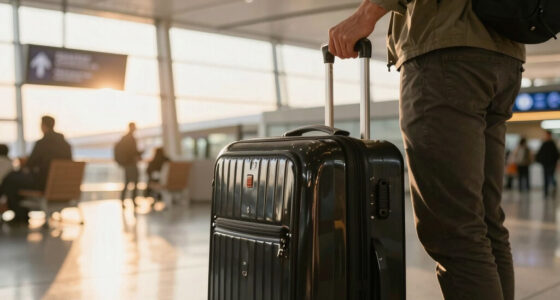
aluminum telescoping handle suitcase
As an affiliate, we earn on qualifying purchases.
As an affiliate, we earn on qualifying purchases.
Frame and Corner Reinforcements That Take a Beating
Impact points like corners absorb a lot of abuse, especially during stacking and dragging. Look for bags with reinforced corners and side guards; these features help distribute impact forces away from vulnerable areas. Internal frames provide structure, resisting crushing and maintaining shape even under heavy loads, which prevents internal contents from shifting and reduces stress on the shell. Frameless bags tend to bend more but are lighter and may be suitable for lighter travel, though they offer less impact resistance.
Imagine your bag tumbling down a baggage carousel—corner guards and reinforced edges can prevent cracks and tears that often originate from repeated impacts. Example: A luggage with corner bumpers survives a stacking crush at the airport better than a softshell without reinforcement, saving you repair costs and preventing loss of contents.
Choose a structured bag if you frequently check or handle bags roughly; soft frames are fine for light travel but less durable in high-impact situations. The tradeoff involves weight versus impact protection; more reinforcement usually means heavier but longer-lasting luggage.
Seams and Stitching That Keep Everything Intact
Softside luggage relies heavily on stitching for structural integrity. Look for lock-stitched seams with bartack reinforcement at stress points; these prevent rip-outs after repeated pulls or heavy loads. High-quality stitching distributes stress evenly, reducing the likelihood of failure at weak points. Poor stitching can lead to tearing, especially when the bag is subjected to rough handling or overpacking.
Bound interior seams also block fraying and wear over time, preserving the bag’s integrity. Scenario: Your bag gets tossed onto a conveyor—solid, reinforced stitching keeps the contents safe longer and prevents the seam from unraveling, which could lead to more significant damage.
Reinforced handle bases and strap anchors are additional points to check—weak spots here break first, exposing your gear to damage. High-quality stitching and reinforcement are thus crucial for extending the lifespan of your luggage, especially in demanding travel environments.
Warranty and Repair Options That Save You Money
Many durable bags come with lifetime warranties that cover airline damage—rare but invaluable. Brands like Briggs & Riley and Travelpro stand out for this because they demonstrate confidence in their construction and offer peace of mind. Warranties that include repairs for airline damage mean you can get your bag fixed instead of replacing it, saving money and reducing waste.
Check if the brand offers replacement parts—wheels, handles, zippers—easily sourced and affordable. A bag that’s easy to repair can last twice as long, especially if you’re willing to do some maintenance yourself or seek local repair services. This repairability, combined with solid warranty coverage, can significantly extend the useful life of your luggage, making it a smarter investment.
Example: A cracked wheel? A quick replacement kit keeps your bag rolling without buying a new one. Understanding warranty coverage and repair options helps you plan for longevity and avoid premature replacement costs.
Remember, warranties often exclude cosmetic damage. Focus on coverage for structural and functional failures, which are more costly and inconvenient to fix after travel wear.
Weight vs. Durability: Finding the Middle Ground
Ultralight bags often sacrifice durability for weight savings. For carry-on luggage, aim for a midweight design—around 3-4.5 kg (6.6-10 lbs). These strike a balance between tough shells and manageable weight, ensuring your bag can withstand typical handling without becoming a burden.
Heavy-duty shells like polycarbonate or ballistic nylon add weight but withstand more abuse, especially in rough handling or checked scenarios. Lighter fabrics, such as polyester, may tear or crack sooner, especially if overloaded or dropped frequently. The tradeoff involves choosing between lighter weight and resilience; understanding your travel patterns helps determine which is more important.
Scenario: A 4 kg bag with a reinforced shell handles airport drops better than a 2 kg bag that dents easily, highlighting the importance of durability in high-impact situations.
Think about how often you travel, whether you check or carry on, and what kind of handling your luggage will endure. Balancing weight and durability ensures you get maximum lifespan without sacrificing convenience.
Water Resistance: Keeping Your Gear Dry in a Downpour
Water-resistance is a must if you often face rain or snow. Hard shells are inherently waterproof—think polycarbonate or aluminum—offering reliable protection against moisture. Softside bags rely on coated fabrics, rain flaps, and waterproof zippers, but these features vary in effectiveness. Understanding how these elements work together helps you choose luggage that keeps your belongings dry.
For example, a nylon bag with a rain cover or sealed zippers will keep contents dry during unexpected showers. A bag with a rain flap over the zipper prevents water from seeping in, which is especially important if your luggage is exposed to rain during transit or on the tarmac. The effectiveness depends on the quality of the coating and the sealing of zippers and seams—cheap options often leak, leading to soggy clothes or damaged electronics.
Scenario: Your bag gets caught in a storm. A water-resistant shell and sealed zippers prevent soggy clothes and damaged electronics, saving you hassle and expense. Recognizing these features and their limitations ensures you select luggage that performs well in adverse weather, protecting your investment and your belongings.
Size That Fits Airline Rules and Your Durability Needs
Most airlines limit carry-on size to about 22 x 14 x 9 inches (56 x 36 x 23 cm). Durability is moot if your bag gets gate-checked and mishandled. Always measure your bag with a tape before travel to ensure compliance, reducing the risk of rough handling and damage. Choosing a bag that stays within these limits helps avoid forced gate-checking, which often leads to rougher handling and potential damage.
Heavier, more durable shells like polycarbonate or ballistic nylon tend to push weight limits, so balancing size, weight, and durability is essential. Overly heavy bags may be harder to handle and can lead to additional fees, while lighter bags may not withstand rough handling as well.
Tip: Use a digital luggage scale to verify weight and a tape measure for dimensions, especially for international flights with stricter rules. This proactive approach ensures your luggage remains within acceptable parameters, minimizing mishandling risks and preserving durability.
Frequently Asked Questions
Is hardside or softside luggage more durable?
Both can be durable, but it depends on material quality. Hardside, especially polycarbonate, resists impacts better and protects contents. Softside, with ballistic nylon or Cordura, offers flexibility and better abrasion resistance. Choose based on travel style and handling conditions.
What brand of luggage do pilots and flight attendants use?
Travelpro is the classic choice among flight crews, known for durable wheels and handles. Briggs & Riley also enjoys a reputation for high-quality construction and lifetime warranties, making them reliable for frequent travelers.
Are spinner wheels or two wheels better?
Spinner wheels are easier to maneuver but more exposed and prone to damage. Inline two-wheel designs often roll smoother over rough surfaces and are generally more durable. It’s a tradeoff between convenience and resilience.
How much should I spend for a bag that lasts?
Expect to spend $150–$300 for a mid-range, durable carry-on. Premium models with aluminum frames and lifetime warranties can go beyond $400. Investing a bit more often saves money in repairs and replacements later.
Can broken wheels or zippers be repaired?
Yes. Many brands offer replacement parts like wheels, handles, and zippers. Repair shops or online kits can extend your bag’s life, especially if it’s otherwise high-quality and well-made.
Conclusion
Your luggage is the silent workhorse of every trip. Picking a bag with impact-resistant materials, sturdy wheels, and strong handles isn’t just about avoiding dents—it’s about making your travel hassle-free, trip after trip. Invest in quality, and your luggage will reward you with years of dependable service.
Remember, durability isn’t just a feature; it’s a mindset. When you choose wisely, every rough bump or accidental drop becomes just another part of the journey — not a reason to replace your bag.
Halloween Picks
halloween
As an affiliate, we earn on qualifying purchases.