
TL;DR

Get travel and outdoor gear delivered free with Prime
- Fast, free delivery on millions of items
- Prime Video, Amazon Music and more included
- Member-only deals all year
The best underseat bags for families combine compact size, smart organization, and durability. They fit airline restrictions and make travel with kids smoother, especially with thoughtful packing and features like multiple compartments and lightweight materials.
Traveling with kids often feels like juggling—more bags, more snacks, more toys, all while trying to keep everyone happy and moving. The secret? Choosing an underseat bag that fits airline rules and keeps essentials within arm’s reach. Forget bulky luggage; a smartly selected underseat bag can be your best travel buddy.
In this guide, you’ll learn what features matter most—size, weight, organization—and how to pick a bag that makes family trips less stressful. Whether it’s a weekend getaway or a quick flight, knowing what to look for saves time, space, and headaches.
Choose underseat bags around 15-16 inches for airline compatibility and ease of access.
Prioritize lightweight, durable materials like ballistic nylon or polycarbonate.
Use multiple compartments and packing cubes to stay organized amid chaos.
Check airline-specific size restrictions before purchasing or packing.
Leverage smart features like USB ports or tracking to enhance family travel experience.
Best Underseat Bags for Families with Kids
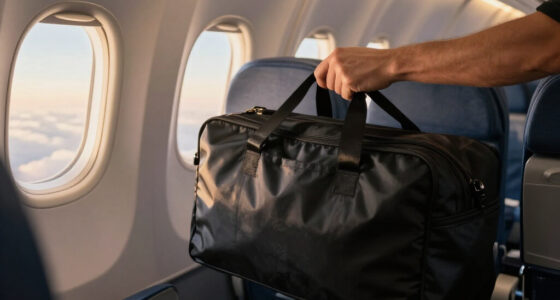
Compact dimensions, low weight and disciplined organization turn the space beneath an airline seat into a calm, reachable command center for snacks, toys, documents and devices.
Build around the seat, not the suitcase
The best bag is the one that actually fits your aircraft. Airline and aircraft limits vary, so compare the bag’s external dimensions—including wheels, handles and stuffed pockets—with the carrier’s published allowance.
A useful reference size
A bag measuring approximately 16 × 10 × 7 inches is compact enough for many underseat spaces while remaining practical for a family’s in-flight essentials.
The compatibility zone
Around 15–16 inches is the strongest all-purpose target. Oversized rigid frames and bulging exterior pockets reduce your margin for error.
Six traits that earn their space
Family travel rewards features that remove friction. Prioritize the fundamentals before paying for novelty: fit, organization, weight, durability, security and comfortable movement.
Airline-ready size
Prevents last-minute gate checks and keeps wipes, snacks and entertainment within reach during the flight.
Clear compartments
Dedicated zones for documents, liquids, chargers and toys make fast retrieval possible without emptying the bag.
Low empty weight
Staying under 4 pounds leaves more usable capacity and reduces strain while boarding with a child in one arm.
Durable shell
Ballistic nylon, sturdy polyester or polycarbonate helps resist abrasion, spills, rain and rough handling.
Secure closures
Lockable zippers, TSA-compatible locks and RFID pockets protect documents, medicine and electronics.
Flexible carry
Padded handles, backpack straps or smooth wheels help the bag adapt to terminals, stairs and crowded aisles.
Which construction fits your trip?
Soft bags maximize flexibility; hard shells maximize protection. A hybrid approach often works best for families who carry both snacks and fragile technology.
| Bag type | Seat-space flexibility | Impact protection | Quick-access pockets | Best family use |
|---|---|---|---|---|
| Soft ballistic nylon | ✓ Excellent | ~ Good | ✓ Excellent | Snacks, clothes, wipes and changing supplies |
| Polycarbonate shell | ~ Fixed shape | ✓ Excellent | ✗ Limited | Tablets, cameras and spill-sensitive gear |
| Structured hybrid | ✓ Very good | ✓ Very good | ✓ Very good | Mixed essentials on weekend or short-haul trips |
| Expandable underseater | ~ Pack carefully | ~ Good | ✓ Excellent | Variable trip lengths when expansion stays closed in flight |
Fit varies by airline, aircraft and seat position. Verify current carrier dimensions before purchase and departure.
Lightweight should still mean resilient
Low empty weight reduces fatigue and leaves room for essentials, but flimsy construction creates its own stress. Look for reinforced seams, dependable zippers and water resistance in a sub-4-pound design.
Practical family target
Smart features worth considering
Technology should solve a genuine travel problem. Choose extras only after confirming that the bag’s core dimensions, empty weight and compartment layout meet your family’s needs.
USB access
An external charging port can keep tablets and phones running during delays. Confirm that any removable power bank follows airline battery rules.
Tracking pocket
A dedicated Tile or tracker sleeve reduces the anxiety of a bag left behind during a rushed family transfer.
Recycled fabrics
Modern recycled textiles can combine lower-impact construction with the water resistance and toughness family travel demands.
A calmer five-step travel chain
Every decision connects: verify the limit, choose the shell, create zones, load for balance and preserve fast access.
Verify airline and aircraft rules.
Measure wheels and handles too.
Use cubes for clothes and toys.
Keep liquids in one reachable zone.
Leave room for in-flight cleanup.
What’s the perfect size for an underseat bag with kids?
When it comes to size, think 15 to 16 inches in length. That’s roughly the size of a large school backpack, small enough to slide under most airline seats without fuss. For example, a bag measuring 16″ x 10″ x 7″ fits comfortably under the seat on most regional jets.
Always check your airline’s specific underseat dimensions before buying. A bag that’s just 0.5 inches too tall might not fit, turning your smooth trip into a scramble for space. Measure the seat space on your plane if possible, or consult airline policies online.
Real-life scenario: On a family weekend trip, a 15.5-inch bag slid perfectly under the seat, making it easy to grab snacks and toys without standing up or disturbing fellow passengers.
underseat carry-on bag for families
As an affiliate, we earn on qualifying purchases.
As an affiliate, we earn on qualifying purchases.
How to pick a lightweight underseat bag that handles kid chaos
Lightweight matters more than you think. An underseat bag weighing under 4 pounds frees you from lugging around a heavy pack while juggling kids. The lighter the bag, the less physical strain during busy moments like boarding or navigating crowded airports, which can help you stay calmer and more focused on your kids. But beware: lighter materials sometimes mean less durability. Striking a balance between weight and resilience is key. Opt for high-quality fabrics like ballistic nylon or polycarbonate shells, which offer toughness without adding bulk. This way, your bag can withstand the inevitable bumps and rough handling, while still being manageable to carry or lift.
Choosing a lightweight bag isn’t just about ease—it’s about enabling quick, effortless access to your essentials without fatigue, especially when you’re managing multiple kids and gear. A heavy bag can slow you down, cause strain, and make quick adjustments or retrievals more difficult. Conversely, a well-designed lightweight bag with durable materials ensures your belongings are protected while reducing physical stress, so you can focus more on your family and less on your luggage.
Scenario: You’re boarding the plane, kid in one arm, diaper bag on your shoulder, and your underseat bag easily zips along behind you—no strain, no fuss.
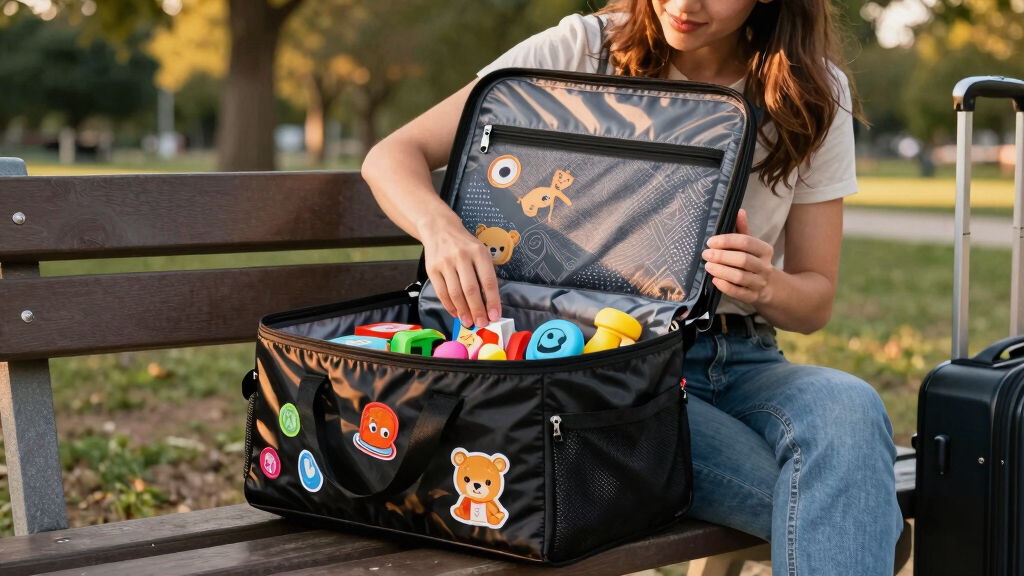
kids travel underseat bag with compartments
As an affiliate, we earn on qualifying purchases.
As an affiliate, we earn on qualifying purchases.
Compare top features in underseat bags for families
| Feature | Why It Matters | Example |
|---|---|---|
| Size | Must fit airline underseat limits, typically 15-18″. The size directly impacts your ability to stow the bag without gate-checking, which can cause delays and inconvenience. A well-fitting size ensures quick access to essentials and smoother boarding. If the bag is too large, you risk last-minute gate checks, which can be stressful and delay your plans. Conversely, a bag that’s too small might not hold all your necessities, leading to overstuffed compartments or the need for additional bags, complicating your travel. | A 16″ bag slides under most seats, avoiding gate-checking and last-minute hassle. |
| Compartments | Helps organize snacks, toys, electronics, and documents. Multiple compartments reduce clutter, making it easier to find things quickly—especially when you’re managing children’s needs on the go. Good organization minimizes chaos and saves time during security checks or quick stops. Without designated spaces, you might waste precious minutes rummaging through your bag, increasing stress and frustration. Well-structured compartments allow you to keep essentials accessible and your belongings protected, which is especially critical with kids’ unpredictable needs. | Separate pockets for chargers and wipes keep essentials accessible without rummaging through the entire bag. |
| Weight | Light enough to lift with one hand, especially when full. A lighter bag reduces physical fatigue, which is crucial when you’re carrying or maneuvering through busy airports or crowded spaces. It also allows more space for packing essentials without exceeding airline weight limits. Heavy bags can cause fatigue, slow down your movement, and even lead to injuries if you’re not careful. Therefore, choosing a lightweight yet durable bag enhances your ability to manage multiple tasks smoothly during travel. | Under 4 pounds for easy handling, so you can lift it into overhead bins or slide it under the seat with minimal effort. |
| Durability | Resists tears, water, and wear. A durable bag protects your belongings from rough handling, spills, or unexpected weather. Investing in tough materials means fewer replacements and less worry about damage during transit. With kids, the risk of accidental tears or spills increases, so durability is vital. A fragile bag can lead to lost items or the need for last-minute replacements, adding stress and potential delays. High-quality materials like ballistic nylon or polycarbonate shells ensure your bag can withstand the rigors of travel while maintaining a manageable weight. | Ballistic nylon or polycarbonate shells withstand baggage handling without ripping or cracking. |
| Security | Lockable zippers or TSA locks prevent theft or accidental opening. Security features safeguard your valuables and give peace of mind during travel, especially in busy airports or crowded planes. With kids, your bag often contains sensitive items like electronics, medications, or documents—security measures help prevent accidental loss or theft. Locking features also discourage curious hands from rummaging through your belongings, reducing the risk of missing items or theft. Investing in security-enhanced bags can make your journey more relaxed, knowing your essentials are protected. | Lockable main compartment keeps snacks and tech safe from prying hands. |
lightweight underseat luggage for airline travel
As an affiliate, we earn on qualifying purchases.
As an affiliate, we earn on qualifying purchases.
Smart features that make family travel easier
Modern underseat bags now come with USB ports and built-in power banks. Imagine charging tablets or phones during long waits—no more dead devices in the middle of a family meltdown.
Some models include tracking devices like Tile, so you always know where your bag is—great when little ones are involved or when you’re rushing through airports.
Eco-conscious options use recycled fabrics, giving your family an eco-friendly edge while still being tough enough for travel abuse.
These features matter because they directly impact convenience and peace of mind. For instance, USB ports and power banks reduce the need to hunt for outlets, which can be scarce during busy travel days. Tracking devices help prevent the anxiety of lost luggage, especially with children involved. Eco-friendly fabrics align with sustainable values, making your travel choices more responsible without sacrificing durability.
family travel backpack with USB port
As an affiliate, we earn on qualifying purchases.
As an affiliate, we earn on qualifying purchases.
How to pack your underseat bag for maximum efficiency
- Start with a packing list: essentials, snacks, toys, electronics.
- Use packing cubes to compartmentalize items—keeps everything tidy and accessible.
- Place heavier items at the bottom for stability—think water bottles or books. This not only stabilizes the bag but also prevents items from shifting during transit, which can cause damage or make retrieval difficult. Proper weight distribution minimizes strain on zippers and seams, extending the life of your bag and keeping your belongings safe.
- Fill gaps with smaller items like chargers or snacks to prevent shifting. Proper filling minimizes movement, which can damage fragile items or cause disorganization during transit.
- Keep a small zippered pouch for important documents or valuables—easy to grab. Having a dedicated pocket means you won’t waste time searching or rummaging through the entire bag when quick access is needed.
Scenario: After packing in cubes, you can quickly find a favorite toy or a bottle, making the trip calmer for everyone.
Tip: Always weigh your packed bag before heading to the airport to stay within airline limits. Overweight bags can lead to last-minute repacking or fees, adding stress to your travel day.
Common pitfalls to avoid when choosing an underseat bag
Don’t assume all bags labeled as ‘underseat’ fit your airline’s specs. Always double-check dimensions. A bag that’s 17 inches long might be fine for some airlines but too big for others. Failing to verify can lead to last-minute gate-checks, delays, or the hassle of repacking at the airport, which disrupts your travel flow and adds stress. Understanding the specific size limits of your airline helps you avoid surprises and ensures a smoother journey.
Beware of overly flimsy materials. A bag that tears easily or doesn’t close securely can turn chaos into disaster. A ripped bag might spill your belongings or require immediate replacement, which is often impossible during travel. Selecting sturdy, well-made bags ensures your essentials stay protected, reducing the risk of mishaps that can derail your trip. Consider materials like ballistic nylon or hard-shell polycarbonate that balance resilience with manageable weight.
Also, avoid bags without organizational features—search for those with multiple pockets. Otherwise, you’ll spend precious travel time digging for snacks or chargers, which can lead to frustration and delays. Good organization saves time and keeps everyone calmer, especially when managing multiple kids and their needs. Prioritizing bags with thoughtful compartments can make a significant difference in your travel experience.
Scenario: A family brought a stylish but flimsy bag that ripped on the first flight, forcing them to check it last minute and lose precious space.
Frequently Asked Questions
What is the best size for an underseat bag when traveling with kids?
The best size is usually 15-16 inches in length, fitting comfortably under most airline seats. Always verify your airline’s specific limits to avoid surprises at the gate.
Are underseat bags suitable for all airlines?
Most major airlines accept underseat bags within about 15-18 inches, but policies vary. Always check your airline’s website before you travel to confirm size restrictions.
What features should I prioritize for traveling with young children?
Look for easy organization, lightweight design, fun aesthetics, and secure compartments. Features like multiple pockets and durable materials make a big difference.
How can I ensure my underseat bag fits comfortably under the seat?
Measure the space under your airline’s seats and compare it to the bag’s dimensions before purchasing. Packing cubes can also help maximize space and fit.
Are there recommended brands or models?
Brands like Travelpro, Samsonite, Delsey, and American Tourister offer reliable underseat options designed for family travel, often with specific features for kids’ needs.
Conclusion
Picking the right underseat bag means fewer headaches and more family fun. It’s about balancing size, weight, and organization—making every trip smoother and more enjoyable.
Think of your underseat bag as your travel co-pilot. Pack smart, choose wisely, and watch your family adventures become easier and more memorable.
Fall Picks
fall essentials
As an affiliate, we earn on qualifying purchases.