
TL;DR

Get travel and outdoor gear delivered free with Prime
- Fast, free delivery on millions of items
- Prime Video, Amazon Music and more included
- Member-only deals all year
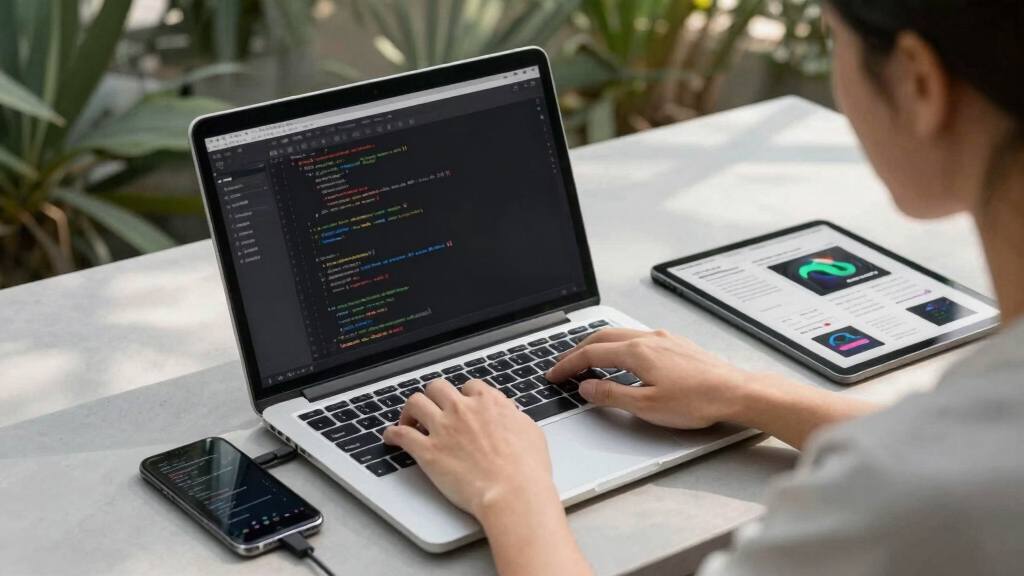
Apple has announced a new development workflow allowing developers to build and distribute Mac and iOS apps without ever opening Xcode. This marks a significant shift in app development practices, aiming to simplify and accelerate the process.
Apple has unveiled a new development approach that enables developers to build and distribute Mac and iOS apps without ever opening Xcode, the traditional integrated development environment. This innovation is aimed at streamlining the app deployment process and reducing barriers for developers, especially those managing multiple projects or working in automated environments.
The new workflow leverages command-line tools and cloud-based build services, allowing developers to compile, sign, and submit apps directly from terminal commands or integrated CI/CD pipelines. Apple confirmed that this method supports the latest versions of macOS and iOS, and is available to all registered developers through their developer portal.
Sources familiar with the update indicate that this approach is designed to facilitate faster iteration cycles and reduce dependency on the graphical interface of Xcode. Apple emphasizes that this does not replace Xcode but offers an alternative method for those who prefer automation or have limited access to the IDE.
Impact on Developer Workflow and App Deployment
This development could significantly alter how developers approach app creation, testing, and submission. By removing the need to open Xcode, developers can automate entire build pipelines, potentially reducing costs and time-to-market. It also lowers the barrier for smaller teams or individual developers who might find the full IDE cumbersome or resource-intensive.
Furthermore, this shift aligns with Apple’s broader push towards cloud-based services and automation, indicating a future where app development becomes increasingly streamlined and integrated with continuous deployment practices.
As an affiliate, we earn on qualifying purchases.
Previous Development Practices and Apple’s Shift Towards Automation
Traditionally, building and submitting Mac and iOS apps required developers to use Xcode, Apple’s official IDE, which provides a graphical interface for coding, testing, and debugging. While Xcode remains the primary tool, Apple has long supported command-line utilities like xcodebuild for automation. However, the new announcement marks a more comprehensive move to facilitate full app lifecycle management without opening the IDE.
This approach is part of Apple’s ongoing efforts to modernize development workflows, especially in response to increasing demand for CI/CD integration and automated testing frameworks. It also reflects a trend among major tech companies to enable remote and automated app deployment, reducing reliance on manual interactions with development tools.
“This new workflow empowers developers to build and ship apps more efficiently, leveraging automation and cloud services without the need to open Xcode.”
— Craig Federighi, Apple Senior Vice President of Software Engineering
iOS app deployment command line tools
As an affiliate, we earn on qualifying purchases.
As an affiliate, we earn on qualifying purchases.
Details on Compatibility and Future Limitations
While Apple confirmed the availability of this new workflow for current SDKs and platforms, it is not yet clear whether all features of Xcode will be fully replicable through command-line tools or cloud services. It remains uncertain if this method will support complex debugging, UI design, or certain testing features traditionally accessed within Xcode. Additionally, the long-term implications for Xcode’s role in the development process are still evolving.
As an affiliate, we earn on qualifying purchases.
Next Steps for Developers and Apple’s Development Ecosystem
Apple is expected to release detailed documentation and developer tools supporting this workflow in the coming weeks. Developers will likely begin experimenting with automated build pipelines and cloud-based deployment, while Apple may expand support for additional features and platforms. Monitoring feedback from early adopters will be key to understanding the full impact of this shift.
Further updates may include enhanced integration with third-party CI/CD services and more comprehensive support for complex app architectures.
As an affiliate, we earn on qualifying purchases.
Key Questions
Can I still use Xcode for app development after this update?
Yes, Xcode remains the primary development environment. The new workflow offers an alternative for building and shipping apps without opening the IDE but does not replace it entirely.
Does this method support all types of app features and testing?
It is not yet clear whether all features, especially UI design and debugging, will be fully supported through command-line tools or cloud services. More details are expected in upcoming documentation.
Will this change affect app review or distribution processes?
Apple confirmed that apps built and submitted via this new workflow will undergo the same review process. The change primarily impacts how developers prepare and submit their apps.
Is this workflow available now for all developers?
Apple announced the feature in March 2024, and it is expected to be available to all registered developers shortly, with detailed instructions forthcoming.
Could this lead to more automation in app development overall?
Yes, this move aligns with broader industry trends towards automation and continuous deployment, potentially encouraging more developers to adopt CI/CD practices.
Source: hn
Fall Picks
fall essentials
As an affiliate, we earn on qualifying purchases.