TL;DR

Get travel and outdoor gear delivered free with Prime
- Fast, free delivery on millions of items
- Prime Video, Amazon Music and more included
- Member-only deals all year
Hardside luggage offers superior impact protection and security, while softside is lighter and more flexible. Your choice depends on your packing habits, destination, and personal preferences.
Lightweight materials have blurred the line: many hardside cases are now as light as softside options.
Impact protection favors hardside, but softside offers more flexibility and expandability.
Lighter softside luggage helps you stay within airline weight limits, saving fees.
Security features are similar, but hardside cases are harder to cut open.
Choose based on your packing style, trip type, and whether impact resistance or flexibility matters more.
Hardside vs. Softside Carry-On
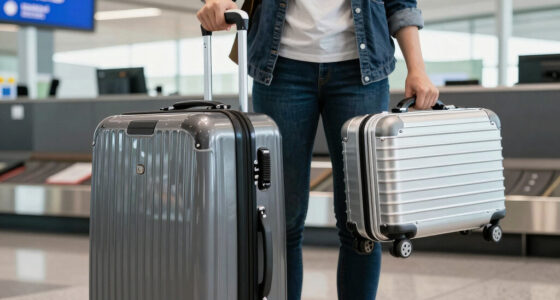
Which should you buy? Hardside delivers superior impact protection and cut resistance. Softside brings lighter weight, flexible packing and quick-access pockets. The right answer lives in your travel habits—not the luggage aisle.
What makes them different?
The core trade-off begins with construction. A rigid shell resists compression; woven fabric bends, expands and fits around obstacles.
Hardside
Usually made from polycarbonate, ABS plastic or aluminum. The shell forms a firm barrier around packed contents.
- Best for: electronics, cameras and breakables
- Strength: impact and crush resistance
- Security: difficult to slash or cut open
- Trade-off: fewer exterior pockets
- Wear pattern: scratches, dents or cracks
Softside
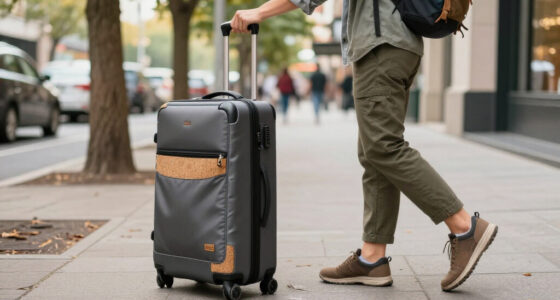
Usually made from ballistic nylon or polyester. The fabric has enough give to work in tight bins and crowded spaces.
- Best for: clothing and adaptable packing
- Strength: flexibility and lower weight
- Organization: convenient exterior pockets
- Bonus: commonly expands by 10–15%
- Wear pattern: stains, scuffs and fraying
The carry-on scorecard
Neither format wins every category. Focus on the rows that affect your most common journey.
| Buying factor | Hardside | Softside | Practical verdict |
|---|---|---|---|
| Impact protection | ✓ Excellent | ~ Moderate | Hard shell protects fragile contents |
| Low empty weight | ~ Improving | ✓ Strong | Modern polycarbonate narrows the gap |
| External access | ✗ Limited | ✓ Excellent | Softside pockets keep essentials close |
| Expandability | ✗ Uncommon | ✓ Common | Softside adds room for souvenirs |
| Cut resistance | ✓ Strong | ~ Variable | Rigid shells add theft resistance |
| Tight-space fit | ✗ Fixed shape | ✓ Flexible | Fabric gives around bin obstructions |
| Surface cleaning | ✓ Wipe clean | ~ More care | Fabric may retain stains |
| Budget selection | ~ Broad | ✓ Broader | Quality softside options often cost less |
Key insight: lightweight polycarbonate now allows many hardside cases to approach softside weight while preserving rigid protection.
Where each type pulls ahead
These directional scores translate common construction advantages into an at-a-glance buying view. Higher bars indicate a stronger category fit.
Performance profile
Choose according to what you need the case to do—not simply how it looks.
Price territory
Construction, wheels, zippers and warranty quality matter more than shell category alone.
Match the bag to the trip
A four-question filter turns a broad product category into a practical personal choice.
What are you carrying?
Fragile technology favors rigid protection. Mostly clothing favors flexible space.
How tight is the limit?
Strict airline weight rules make every pound of empty-case weight matter.
How do you pack?
Overpackers benefit from expansion. Organized minimalists may prefer a fixed shell.
Where are you going?
Rough transfers favor protection; urban short trips reward quick access and agility.
Who should pick which?
Start with the scenario closest to your real travel pattern, then compare weight, dimensions, wheel quality and warranty within that category.
Fragile-gear traveler
You carry cameras, electronics, glass or structured items and expect rough handling.
Choose hardsideFast-moving frequent flyer
You value lower weight, outside pockets and the ability to squeeze into a tight bin.
Choose softsideSouvenir collector
You regularly return with more than you packed and need a little extra capacity.
Choose softsideSecurity-conscious traveler
You want a surface that is difficult to slash and easy to inspect at a glance.
Choose hardsideStrict weight-limit traveler
Your airline weighs cabin bags, so the lightest compliant case gets priority.
Compare actual weightBest-of-both-worlds buyer
You want rigid protection plus flexible panels or outside access.
Consider a hybridChoose hardside for impact resistance. Choose softside for flexible, accessible packing. Today’s lighter materials make either a credible carry-on.
Before you check out
Category matters, but exact airline dimensions, empty weight, wheel design and zipper quality should decide the final purchase.
Is hardside more durable?
It generally resists impacts and crushing better, but repeated rough handling can still cause scratches, dents or cracks.
Can fragile items go in softside?
Yes, with careful placement and extra padding. A rigid shell simply provides more inherent protection.
Are TSA locks different?
Both types can include TSA-approved locks. Hardside gains an additional advantage from its cut-resistant shell.
What trends should you watch?
Lightweight polycarbonate, recycled materials, hybrid shells, tracking and integrated smart features are appearing across both categories.
What Makes Hardside and Softside Luggage Different? Get the facts
Hardside luggage is made from rigid materials like polycarbonate, ABS plastic, or aluminum. It feels like a hard shell wrapping your clothes, offering tough impact resistance.
Softside luggage uses durable fabrics such as ballistic nylon or polyester. It’s more flexible, with a slight give that’s easier to squeeze into tight spaces.
For example, a hardside suitcase like the Samsonite Omni PC has a tough polycarbonate shell that absorbs impacts, ideal for rough baggage handling. Softside options like the Travelpro Maxlite 5 are lighter and easier to stuff into overhead compartments.
As an affiliate, we earn on qualifying purchases.
Which Protects Fragile Items Better? The impact showdown
If you often carry fragile items—camera gear, electronics—hardside luggage provides a sturdy barrier. Imagine dropping a softside bag filled with delicate tech; it might absorb some shock but risks crushing or bending.
Conversely, softside luggage can be padded or packed carefully to cushion fragile contents, but it relies on internal packing finesse.
For instance, a camera in a hardside case like the Rimowa Essential Lite stays protected even in rough handling, whereas softside bags need extra padding or careful packing.
As an affiliate, we earn on qualifying purchases.
Weight Matters: Which luggage type is lighter?
Softside luggage tends to weigh less overall—often by 1-2 pounds—making it easier to stay within airline weight limits. For example, a softside carry-on like the Briggs & Riley Baseline weighs around 7 pounds, while a comparable hardside like the Tumi Alpha 3 might tip the scales at 9 pounds.
But recent innovations in lightweight polycarbonate shells have narrowed this gap. Some high-end hardside models now weigh less than 8 pounds, matching or beating softside options.
As an affiliate, we earn on qualifying purchases.
Organization and Storage: Which luggage makes packing easier?
Softside luggage usually offers multiple external pockets, making it easier to access essentials like tickets, chargers, or snacks. Imagine slipping your boarding pass into a front pocket for quick access.
Hardside models tend to focus on a sleek, minimal exterior, with fewer external compartments. Inside, both types often feature compression straps and compartments, but softside bags like the Patagonia Black Hole bring extra external pockets for organized packing.
As an affiliate, we earn on qualifying purchases.
Security and Expandability: What should you watch for?
Both hardside and softside luggage often include TSA-approved locks. Hardside cases, with their rigid shells, are harder to cut open, adding a layer of theft resistance. Softside luggage, with external pockets, might pose security risks if not zipped properly.
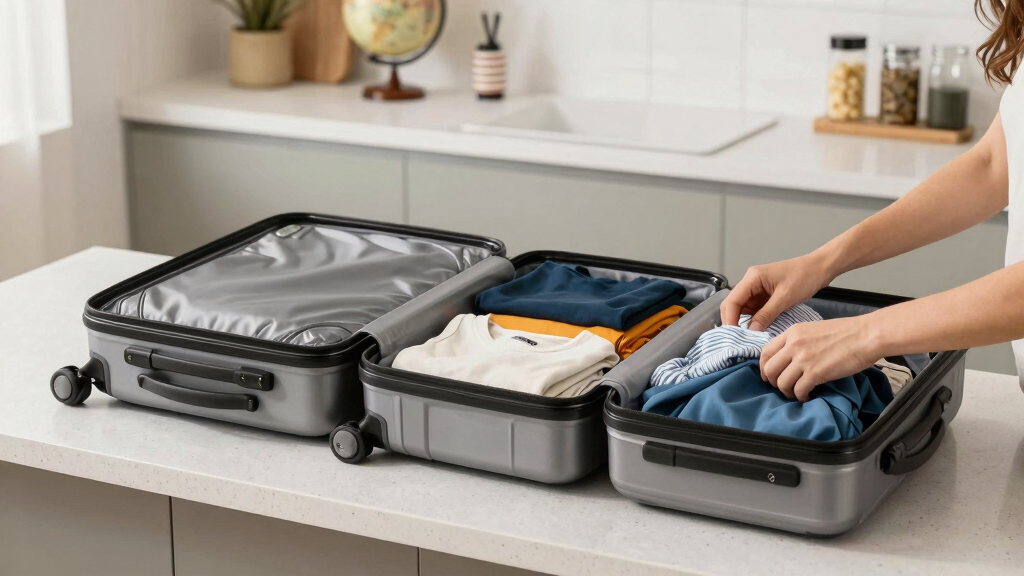
Expandability is another key difference. Softside bags often feature zippers that expand the main compartment, adding 10-15% capacity—perfect if you tend to bring home souvenirs. Hardside luggage generally lacks this feature, maintaining a fixed size.
The Latest Trends: What’s new in carry-on luggage?
Impact-resistant, lightweight materials are transforming hardside luggage. Brands now offer polycarbonate models that are nearly as light as softside but more durable.
Smart features like built-in chargers, GPS tracking, and biometric locks are becoming common in both types. Eco-friendly options—bags made from recycled plastics or sustainable fabrics—are also gaining ground.
Hybrid designs combining hardside shells with soft fabric panels balance protection with flexibility, appealing to travelers who want the best of both worlds.
Price and Maintenance: What’s the real cost?
High-quality hardside luggage can range from $200 to $600, especially for brands like Rimowa or Tumi. Softside bags often start around $100 and go up to $400 for premium models like Briggs & Riley.
Maintenance-wise, softside fabric can stain or wear out faster but is easier to clean with a damp cloth. Hardside shells are easier to wipe clean but can scratch or crack, especially if dropped or bumped hard.
Who Should Pick Which? Match your luggage to your travel style
If you’re a frequent flyer who values lightweight, easy packing, softside luggage like the Samsonite Omni or Travelpro Maxlite 5 fits well.
For travelers who prioritize impact resistance and security—say, hiking through rough airports or handling fragile gear—hardside models like the Rimowa Essential Lite or Tumi Alpha 3 are better choices.
Think about your typical trips: urban getaways or international adventures? Your decision should match your packing habits and destination demands.
Frequently Asked Questions
Is hardside luggage more durable than softside?
Generally, yes. Hardside luggage made from polycarbonate or aluminum withstands impacts better and resists crushing. However, it can scratch or crack over time if not handled carefully.Which is better for frequent travelers?
Softside luggage is usually lighter and more flexible, making it easier to pack and squeeze into tight spaces. But if impact resistance is a priority, a high-quality hardside is also suitable.Can I pack fragile items in softside luggage?
Yes, but it’s wise to add extra padding. Hardside cases naturally offer better impact protection, especially for delicate electronics or glassware.Are there budget-friendly options?
Absolutely. Softside luggage tends to be more affordable, with many quality options under $150. High-end hardside models tend to start around $200 and up.What should I watch out for with softside luggage?
External pockets can pose security risks if not zipped, and fabric can stain or wear over time. Hardside cases are more resistant to stains but can scratch or crack.Conclusion
Your choice between hardside and softside luggage hinges on what matters most: impact protection or packing flexibility. Think about your travel habits—do you need rugged durability or lightweight convenience? Either way, today’s innovations make both options more versatile than ever. Pick what fits your trips best, and travel with confidence.Fall Picks
fall essentials
As an affiliate, we earn on qualifying purchases.