
TL;DR

Get travel and outdoor gear delivered free with Prime
- Fast, free delivery on millions of items
- Prime Video, Amazon Music and more included
- Member-only deals all year
The best underseat luggage fits within typical airline personal-item limits—around 18 x 14 x 8 inches—and balances lightweight design with durability. Smart organization and features like USB ports add real value, especially for frequent travelers.
Travelers often underestimate how tight the space for underseat luggage can be. It’s not just about fitting your essentials—it’s about fitting within strict airline rules without sacrificing organization or durability. If you’ve ever struggled with a bag that’s just a bit too big or too heavy, you’re not alone.
This guide cuts through the clutter. You’ll learn exactly what to look for in underseat luggage—size, weight, features—to make every trip smoother. Because when your bag fits perfectly, travel feels a lot easier.
Always measure your bag and compare it with airline size limits before packing.
Lightweight materials like nylon or polycarbonate boost capacity without adding weight.
Organize with compartments and packing cubes to maximize space and accessibility.
Consider smart features like USB ports or RFID pockets for added convenience.
Choose a bag slightly smaller than the maximum allowed size to avoid surprises.
Best Underseat Luggage That Fits Personal-Item Rules
The winning bag is compact by design—not merely described as “underseat.” Aim near the typical 18 × 14 × 8-inch limit, keep the empty weight low, and prioritize organization that makes every inch accessible.
Measure the exterior, then leave a margin.
A bag that technically matches the maximum can still fail when soft sides bulge or wheels add hidden height. A slightly smaller profile creates a useful buffer for airline and aircraft variation.
Compact enough to avoid surprises
Why it works: dimensions below the common benchmark preserve room for pockets, handles, and minor underseat differences.
Measure the packed bag
Include wheels, handles, feet, and the deepest point of any filled exterior pocket.
Check the operating airline
Personal-item rules differ, especially on basic-economy and low-cost itineraries.
Choose a safety margin
A bag slightly below the maximum is less likely to require a gate check or repack.
Test realistic access
Confirm that the laptop, passport, and cables remain reachable after the bag is full.
Every pound saved becomes packing capacity.
Lightweight construction matters most when the personal-item allowance is strict. The best material depends on whether flexibility, impact protection, or long-term abrasion resistance matters most.
High-grade nylon
Compressible, light, and practical for tight spaces. Look for reinforced seams and water-resistant treatment.
Polycarbonate
Strong impact protection and a defined profile, but less forgiving when the underseat space is irregular.
Ballistic fabric
Excellent resistance to abrasion and frequent handling, often with a modest weight tradeoff.
Practical target: a lighter shell preserves more of a 15-pound allowance for clothing, electronics, and essentials—and is easier to maneuver through crowded terminals.
Match the bag style to the way you travel.
| Bag format | Best advantage | Tradeoff | Underseat fit | Best for |
|---|---|---|---|---|
| Soft-sided roller | Flexible exterior and easy access | Wheels consume interior volume | ✓ Strong | Frequent business travel |
| Compact backpack | Lowest weight and hands-free mobility | Less structure and clothing protection | ✓ Strong | Short trips and connections |
| Hard-shell spinner | Impact and crush protection | Rigid shape is less forgiving | ~ Check | Fragile electronics |
| Structured tote | Fast access and simple packing | Can become uncomfortable when heavy | ✓ Strong | Overnights and light packers |
Fit ratings assume a compact model within the operating airline’s published personal-item dimensions. Always verify the exact exterior measurements.
Prioritize access before novelty.
The most useful features reduce friction at security, at the gate, and in the seat. Smart extras are worthwhile only when they do not add excessive weight or consume critical space.
Quick-access pocket
Keeps a passport, boarding pass, phone, and earbuds reachable without opening the main compartment.
Padded laptop sleeve
Protects electronics while making removal faster during security screening and in-flight use.
Compression system
Controls bulk, stabilizes contents, and reduces the risk of soft-sided pockets exceeding the limit.
Water resistance
Helps protect documents and electronics during wet transfers, platform waits, and curbside loading.
RFID pocket or lock
Adds a layer of security for identification, payment cards, and belongings during busy journeys.
USB pass-through
Offers convenient charging when paired with your own power bank; confirm battery rules before flying.
Build the bag around access order.
Pack by when an item will be needed—not only by category. The result is less rummaging, faster security checks, and a bag that stays compact throughout the journey.
List essentials
Start with trip duration, weather, medication, documents, and essential electronics.
Cube soft items
Compress clothing into one controlled block instead of filling every loose corner.
Balance weight
Place dense items near the base and close to the back or wheel housing.
Stage electronics
Use the dedicated sleeve and keep cables together in a slim pouch.
Measure again
Zip every pocket, weigh the finished bag, and check its widest packed dimensions.
Fit is the feature that makes every other feature useful.
Choose the smallest bag that comfortably carries your true essentials. Then compare empty weight, exterior dimensions, access, and durability before considering USB ports, locks, colors, or styling.
Confirm the airline, measure the packed exterior, and avoid treating “underseat” as a universal size standard.
How to Pick Underseat Luggage That Meets Airline Rules
Most airlines set a personal-item size limit around 18 x 14 x 8 inches. Measure your bag carefully—don’t rely on vague claims. The key is to find a bag that fits under your seat comfortably, with room to spare for unexpected variations.
Start with a measuring tape. For example, a popular underseat model like the TravelPro Maxlite 5 Underseat measures exactly 16 x 12 x 7 inches, leaving extra room for electronics, snacks, or a small jacket.
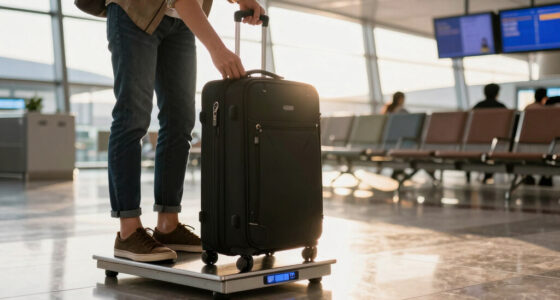
Weight matters too. Many airlines cap personal items at 15 pounds. Lightweight materials like nylon or polycarbonate help you pack more without crossing the limit. Keep an eye on the weight label before heading to the gate.
As an affiliate, we earn on qualifying purchases.
Size and Dimensions: What Really Fits Under Your Seat
The typical personal-item size limit is around 18 x 14 x 8 inches, but it varies slightly by airline. Some allow 17 x 13 x 7 inches, so double-check before packing. Understanding these dimensions is crucial because even a small difference can mean the difference between fitting and being forced to check your bag. The implications are significant—failing to meet size restrictions can lead to last-minute gate checks, delays, or extra fees, disrupting your travel plans. The goal is to choose a bag that stays within these bounds while offering enough space for essentials, but also considering the potential for slight variations in underseat compartments which may be narrower or shallower than overhead bins.
For example, a 16 x 12 x 7-inch bag like the Samsonite Underseat Spinner comfortably fits in most overhead compartments and under-seat spaces, giving you quick access during the flight. When selecting your bag, think about the implications of size — a slightly smaller bag reduces the risk of surprises and ensures smoother boarding and deplaning processes, especially when space is limited.
Use a simple comparison: measure your bag, then compare directly to your airline’s rules. When in doubt, choose a slightly smaller option to avoid last-minute surprises, as the inconvenience of a bag that’s just a few inches over can mean delays or the need to check it unexpectedly, which can be costly and frustrating.
lightweight carry-on luggage for airlines
As an affiliate, we earn on qualifying purchases.
As an affiliate, we earn on qualifying purchases.
Lightweight Materials Make or Break Your Packing Power
Weighing less than 5 pounds, lightweight luggage lets you pack more without exceeding airline weight limits. Materials like high-grade nylon or polycarbonate are common in underseat bags that are both sturdy and light. Choosing lightweight materials isn’t just about saving weight; it directly impacts your packing flexibility. A heavier bag reduces the amount of clothing, electronics, or other essentials you can pack, which can lead to compromising on what you bring or paying extra fees. The tradeoff often lies in durability—lighter materials may be less resistant to rough handling, so selecting high-quality, durable fabrics is essential. Additionally, lightweight bags tend to be easier to maneuver through crowded airports and tight spaces, reducing fatigue and making travel more comfortable. When considering materials, think about the environment as well—lighter, durable fabrics often last longer, reducing waste and the need for frequent replacements.
Imagine your 7-pound bag holding a laptop, a change of clothes, and essentials—yet still staying within the 15-pound limit. That’s the magic of smart material choice. The tradeoff involves balancing weight savings with the need for durability, so always check reviews and material specifications to ensure your bag can withstand the rigors of travel without sacrificing style or function.
Careful packing and choosing a lightweight bag are your best bets for avoiding extra fees or last-minute repacking at the gate. Remember, every pound saved can be used for more essentials or simply reduce stress during your journey.
As an affiliate, we earn on qualifying purchases.
Organization and Accessibility: Pack Smarter, Travel Easier
Smart organization features turn a small bag into a well-oiled packing machine. Compartments, packing cubes, and quick-access pockets help you find what you need instantly. For instance, a bag with front pockets for boarding passes and electronics saves precious time at security. Good organization isn’t just about tidiness; it directly impacts your travel experience by reducing the time spent searching for items and minimizing the risk of forgetting essentials. Well-designed compartments allow you to pack efficiently, distributing weight evenly and protecting fragile items. Accessibility features like quick-access pockets mean you can retrieve your passport, boarding pass, or electronics without rummaging through the entire bag—saving time and frustration. When choosing a bag, consider how these features can streamline your journey, especially during security checks or when on the move in airports and trains. The right organization can make the difference between a chaotic trip and a smooth, enjoyable experience.
Look for models with multiple compartments, water-resistant pockets, and easy-to-open zippers to streamline your travel experience. Investing in organizational features ultimately saves you time and reduces stress, making your trip more enjoyable and less hectic.
As an affiliate, we earn on qualifying purchases.
Smart Features That Make Underseat Luggage Stand Out
Features like built-in USB ports, RFID-blocking pockets, and integrated locks add layers of convenience and security. A bag with a USB port lets you charge your phone on the go—perfect for long layovers or delays. These features respond to real travel needs: staying connected, protecting personal data, and ensuring your belongings are secure. For example, a USB port allows you to keep your devices charged without carrying extra power banks or searching for outlets—especially valuable during long flights or layovers. RFID-blocking pockets help prevent identity theft by shielding credit cards and passports from digital skimming, which is increasingly common. Integrated locks add an extra layer of security, giving peace of mind when leaving your bag unattended briefly. While these features aren’t essential, they reflect a thoughtful approach to modern travel—adding convenience, security, and peace of mind. They are especially beneficial for frequent travelers who value efficiency and security in their luggage.
For example, the TravelPro Maxlite 5 offers an optional USB charging port, making it easy to stay connected without carrying extra gadgets. These features can significantly enhance your travel experience by reducing stress and increasing convenience, especially when you’re on the move frequently or facing unpredictable delays.
Comparison Table: Top Underseat Luggage Options
| Model | Size (inches) | Weight (lbs) | Capacity (liters) | Price Range | Features |
|---|---|---|---|---|---|
| Samsonite Underseat Spinner | 16 x 12 x 7 | 4.5 | 35 | $100-$150 | Hard shell, spinner wheels, front pocket |
| TravelPro Maxlite 5 | 17 x 13 x 8 | 3.8 | 30 | $120-$180 | Lightweight, USB port, multiple compartments |
| Delsey Paris Helium Aero | 17 x 13 x 8 | 5.2 | 40 | $150-$200 | Hard shell, water-resistant, TSA lock |
How to Pack Your Underseat Bag for Efficiency
- Start with a packing list based on your trip duration and essentials.
- Use packing cubes to organize clothing, electronics, and toiletries.
- Place bulky items at the bottom—think shoes or jackets.
- Roll clothes tightly to save space and prevent wrinkles.
- Use external pockets for quick-access items like boarding passes and chargers.
Imagine arriving at the gate with a well-packed, lightweight bag that’s easy to carry. No last-minute shuffling or overpacking needed.
Frequently Asked Questions
How do I measure my luggage to ensure it fits under the seat?
Use a flexible tape measure to check the length, width, and height of your bag. Compare these dimensions directly with your airline’s specified personal-item size limits—usually around 18 x 14 x 8 inches. Always add a little margin to account for slight variances or padding.Are hard-shell or soft-shell bags better for underseat use?
Both work well, but soft-shell bags often provide more flexibility to fit into tight spaces and can expand slightly if needed. Hard-shell bags protect fragile items better but tend to be bulkier and less forgiving in tight underseat areas.What features should I look for in underseat luggage?
Prioritize lightweight construction, smart organization features like multiple compartments or packing cubes, and practical extras such as USB charging ports, water-resistant fabrics, and secure locks. These add convenience and security during your trip.Can I carry a laptop and electronics comfortably in underseat luggage?
Yes, choose a bag with dedicated padded compartments for electronics. Many models include easy-access pockets for chargers, headphones, and tablets—keeping everything within reach and protected.How can I avoid baggage fees with underseat luggage?
By choosing a bag that strictly meets airline size and weight limits, you reduce the risk of extra charges. Lighter, compact designs help you stay within weight limits, while organized packing minimizes the need to check a bag at all.Conclusion
Getting the right underseat luggage isn’t about squeezing in everything. It’s about fitting what matters—comfortably, organized, and within airline rules. When your bag slides under the seat perfectly, your journey begins smoother, calmer, more in control.
Next time you pack, remember size, weight, and smart features. That’s the secret to hassle-free travel with your personal item.
Fall Picks
fall essentials
As an affiliate, we earn on qualifying purchases.