
TL;DR

Get travel and outdoor gear delivered free — and shop member deals
- Fast, free delivery on millions of items
- Access to Prime Big Deal Days deals on October 6–7
- Prime Video, Amazon Music and more included
Water-resistant luggage can repel water and protect your belongings during rain, splashes, or spills. It’s not fully waterproof but offers critical protection, especially in outdoor or rainy environments. Advances in materials and zippers make modern options more durable and reliable than ever.
Ever been caught in a sudden downpour while waiting at the airport or rushing through a busy street? Water can damage your clothing, ruin electronics, or soak your valuables faster than you think. That’s where water-resistant travel luggage steps in—an unsung hero for travelers who refuse to let weather spoil their plans.
If you want your gear to stay dry without lugging around heavy, waterproof containers, understanding what makes luggage water-resistant and how to choose the right one becomes essential. This guide will walk you through the latest materials, features, and practical tips so you can travel smarter—and drier.
Water-resistant luggage uses coated fabrics and sealed zippers to repel water, not fully waterproofing against submersion.
Regular maintenance with gentle cleaning and reapplication of water-repellent sprays prolongs effectiveness.
Design features like sealed zippers and sealed seams are critical for real water resistance.
Technological advances, including nanotech coatings and waterproof zippers, make modern luggage more reliable than ever.
Choosing the right level of water protection depends on your travel environment—city rain vs. outdoor adventures.
Travel Gear Field Guide / Water Defense
The Importance of Water-Resistant Features in Travel Luggage
Rain, splashes and spills can reach clothing, documents and electronics in moments. Water-resistant luggage creates a practical first line of defense—without the bulk and cost of a fully submersible container.
01 / Know the limit
Resistant is not waterproof
A water-resistant bag is comparable to a raincoat: it encourages droplets to bead and roll away during routine exposure. Waterproof equipment is engineered as a sealed system capable of handling far more severe contact.
Water-resistant
Repels light-to-moderate rain, splashes and accidental spills. It is usually lighter, easier to handle and more affordable—but vulnerable at worn coatings, seams and zipper tracks.
Waterproof
Uses sealed shells, highly protected closures and construction intended to prevent ingress under severe exposure. It may add weight, stiffness, cost and complexity.
02 / Three-layer defense
A dry bag is a system, not a single fabric
The outer material sheds water first. Construction details then stop moisture from exploiting the bag’s most vulnerable openings.
Coated materials
Nylon, polyester, treated leather and hard shells can receive water-repellent finishes that make droplets bead instead of soak.
Sealed seams
Reinforced or sealed stitching reduces seepage where panels meet—an area a durable outer fabric cannot protect alone.
Protected closures
Water-resistant zippers, storm flaps, gussets and roll-top closures interrupt direct pathways into the main compartment.
Weatherproof seals
Handle mounts, wheels and corner fittings need protection because hardware attachment points can become hidden leak paths.
Nanotech coatings
Microscopic treatments improve repellency without significant added weight, although abrasion and harsh cleaning can reduce performance.
Sensors and drainage
Emerging designs can flag unsafe water exposure or direct trapped moisture away from sensitive compartments.
03 / Compare protection
Match the construction to the weather
Protection rises as fabrics, closures and seams become more comprehensively sealed. The right choice depends on exposure—not the most aggressive marketing label.
| Capability | Water-resistant | Waterproof | Standard luggage |
|---|---|---|---|
| Light rain and splashes | ✓ Strong fit | ✓ Strong fit | ~ Limited |
| Prolonged heavy rain | ~ Varies by wear | ✓ Designed for it | ✗ High risk |
| Full submersion | ✗ Not intended | ~ Check rating | ✗ Not intended |
| Lightweight handling | ✓ Usually | ~ Often heavier | ✓ Usually |
| Ongoing maintenance | ~ Reproofing needed | ~ Inspect seals | ✓ Basic cleaning |
| Typical price impact | ~ Moderate | ✗ Highest | ✓ Lowest |
04 / Exposure spectrum
Protection needs escalate with the journey
A coated carry-on may be entirely sensible for a rainy city transfer. Remote adventures and flood-prone environments demand more robust barriers and protected inner storage.
Electronics rule: treat the suitcase as the first barrier, not the final guarantee. Use a separate waterproof sleeve or dry bag for valuable devices and critical documents.
05 / Traceability
How protection reaches your belongings
Effective luggage turns a chain of small design decisions into one valuable outcome: fewer opportunities for moisture to move from the weather to your gear.
06 / Preserve performance
Maintenance keeps the barrier alive
Repellent treatments gradually weaken through abrasion, dirt, repeated cleaning and ordinary wear. A simple inspection routine restores protection before the next downpour exposes a failure.
07 / Buyer checklist
Choose by risk, not by label
The most useful bag balances protection, weight, handling and price for the conditions you actually expect to encounter.
Level 01 / City
Routine rain
For airports, trains, taxis and short walks through changing weather.
- Coated nylon or polyester
- Covered zipper tracks
- Easy-clean exterior
Level 02 / Frequent
Rainy climates
For repeated outdoor transfers, coastal trips and long exposure on wet streets.
- Water-resistant zippers
- Sealed or reinforced seams
- Protected hardware mounts
Level 03 / Adventure
Extreme exposure
For boats, expeditions, flood risk and situations where recovery is difficult.
- Rated waterproof construction
- Roll-top or sealed closures
- Internal dry bags for valuables
08 / Quick answers
Questions travelers ask most
Is water-resistant luggage enough for flooding?
No. It is designed for limited rain, spray and spills. Flooding or immersion requires purpose-built waterproof equipment with properly sealed closures.
Can an existing suitcase be upgraded?
A compatible repellent spray can improve the outer material, but it cannot fully correct untreated seams, open zipper tracks or damaged construction.
Does better protection cost more?
Usually. Specialized coatings, sealed seams and advanced zippers add manufacturing cost, but may prevent more expensive damage to the contents.
Will it protect a laptop or camera?
It adds useful protection from weather, but sensitive electronics should still travel inside their own waterproof sleeve or sealed inner bag.
The best protection is layered.
Choose a repellent shell, sealed seams and guarded closures; maintain them before performance fades; and give electronics a separate waterproof barrier. That combination keeps luggage practical, light and ready for unpredictable weather.
What Exactly Is Water-Resistant Luggage, and Why Does It Matter?
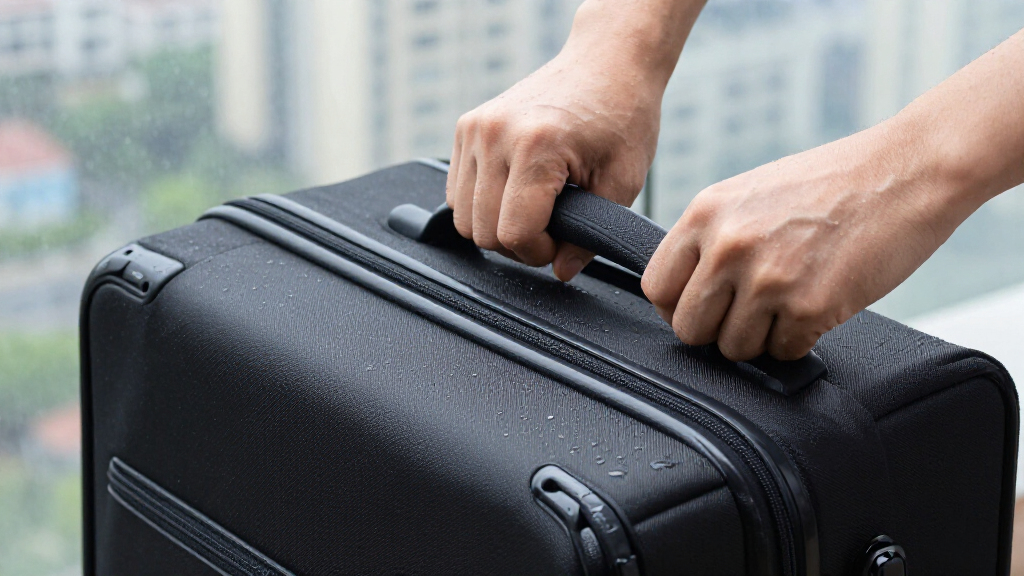
Water-resistant luggage is crafted from fabrics and materials that repel water, preventing it from seeping inside during rain, splashes, or accidental spills. Think of it like a raincoat for your suitcase—designed to keep water out, but not necessarily to survive full submersion.
Imagine you’re on a city trip, navigating slick streets after a sudden shower. Your backpack or carry-on stays dry, your electronics safe, and your clothes fresh. That’s the magic of water resistance. For outdoor travelers or those in rainy climates, this feature isn’t a luxury; it’s a necessity.
Protection of contents is the primary reason to prioritize water-resistant luggage. It keeps your clothing, gadgets, and documents dry, saving you from uncomfortable surprises and potential damage. Plus, with recent tech advances, water-resistant fabrics now last longer and perform better than ever before. Choosing water-resistant luggage can mean the difference between a soggy, ruined trip and a dry, comfortable journey. It also offers a practical tradeoff: lighter weight and easier handling compared to fully waterproof options, which tend to be bulkier and more expensive. Understanding these nuances helps travelers select gear that balances protection with convenience.
As an affiliate, we earn on qualifying purchases.
How Water-Resistant Materials Keep Your Gear Dry — Real-World Examples
Water-resistant fabrics like nylon and polyester are coated with chemical treatments—think of them as a microscopic raincoat embedded in the fabric. These coatings cause water to bead up and roll off, rather than soaking in, which is crucial during sudden weather changes. For example, a popular carry-on like the Samsonite Omni PC Hardside Spinner uses polycarbonate with a water-repellent finish, resisting rain and splashes effectively. But beyond just coating, the way these fabrics are constructed—such as sealed seams—adds an extra layer of defense.
In a real-world scenario, imagine a traveler caught in a sudden thunderstorm during a city tour. Their luggage, made from water-resistant nylon with sealed seams, keeps their clothes and electronics dry, even as puddles form around them. The difference is significant: water simply beads up and rolls off, rather than soaking in and causing damage. This is why choosing luggage with high-quality water-resistant fabrics matters—it directly impacts the safety and dryness of your belongings.
High-end options incorporate nanotechnology coatings that repel water at a molecular level, offering longer-lasting protection. However, these advanced coatings can wear down over time, especially if exposed to harsh cleaning chemicals or abrasive surfaces. Recognizing the tradeoff between initial protection and durability helps travelers make smarter choices that align with their usage patterns.
As an affiliate, we earn on qualifying purchases.
Design Features That Keep Water Out — What to Look For
Water-resistant luggage isn’t just about fabric—design plays a big role. Sealed zippers or water-resistant zippers are game-changers, preventing water from sneaking in through the openings. For example, many models now feature zipper flaps or storm guards that cover the zipper line, which can significantly reduce water ingress during heavy rain.
Other features include gussets, weatherproof seals at seams, and roll-top closures for backpacks. These design elements work together to create a barrier against water, especially in unpredictable weather. For instance, a suitcase with reinforced corners and waterproof seals around the handle attachments further enhances protection by preventing water from seeping in through vulnerable points.
Imagine a weekend trip in a coastal city—your suitcase with sealed zippers and waterproof fabric keeps your clothes dry, even if a sudden ocean breeze or unexpected rain hits. These design features turn a good bag into a reliable shield against water, allowing you to focus on your trip without worry.
To help identify quality water-resistant luggage, here’s a quick checklist of features to prioritize:
- Sealed or waterproof zippers
- Waterproof fabric coating
- Reinforced, sealed seams
- Weatherproof closures
- Gussets and storm flaps
While these features add to the cost, they can prevent costly repairs or replacements caused by water damage, ultimately saving money and hassle in the long run.
As an affiliate, we earn on qualifying purchases.
Frequently Asked Questions
Is water-resistant luggage enough for heavy rain or flooding?
Water-resistant luggage can handle light rain and splashes, but in heavy rain or flooding, waterproof gear is necessary. For extreme conditions, look for sealed shells and waterproof zippers designed for full submersion.How often should I reapply water-repellent spray to my luggage?
Typically, every 6-12 months, especially after cleaning or if you notice water no longer beads on the surface. Reapplication maintains the fabric’s protective layer for optimal water resistance. Neglecting reapplication can lead to diminished protection, exposing your belongings to moisture during unexpected weather.Can I make my existing suitcase more water-resistant?
Yes, applying a high-quality water-repellent spray can boost your luggage’s resistance. However, ensure the fabric is compatible, and reapply regularly to maintain protection. Keep in mind that over time, wear and tear might limit the effectiveness, and some materials may not respond well to sprays, so choosing the right product is key.Do water-resistant suitcases cost more than regular ones?
Generally, yes. The added manufacturing complexity and specialized coatings can increase price, but the investment pays off during rainy trips or outdoor adventures by preventing damage and replacement costs. Weigh the cost difference against the potential inconvenience and expense of water damage to your belongings.Will water-resistant luggage protect electronics inside?
It offers some protection, but for valuable electronics, consider additional waterproof cases or bags. Water-resistant materials help prevent rain exposure but aren’t a guarantee against full submersion or immersion in water, which can still seep in through unsealed points or damages.As an affiliate, we earn on qualifying purchases.
Conclusion
Water-resistant luggage isn’t just a feature—it’s a practical shield that keeps your belongings dry amid sudden weather swings. With recent innovations, choosing durable, effective water resistance is easier than ever.
Invest wisely, maintain your gear, and you’ll stay dry, no matter what the skies throw at you. Your next trip might be unpredictable, but your luggage doesn’t have to be.
Fall Picks
fall essentials
As an affiliate, we earn on qualifying purchases.