
TL;DR

Get travel and outdoor gear delivered free with Prime
- Fast, free delivery on millions of items
- Prime Video, Amazon Music and more included
- Member-only deals all year
Accessible underseat bags feature larger openings, lightweight materials, ergonomic handles, and smart organizational options. These elements make packing, unpacking, and maneuvering easier for all travelers.
Ever wrestled with a tiny, awkward underseat bag, trying to reach that one crucial item? You’re not alone. The truth is, the right design features can transform this small space from a hassle into your best travel buddy. Whether you’re a frequent flyer, someone with limited mobility, or just tired of fighting with zippers, understanding what makes underseat bags more accessible could save you time, stress, and even prevent injuries.
This guide unpacks the key design elements that turn a basic underseat bag into a genuinely user-friendly piece of travel gear. Expect straightforward tips, specific examples, and real-world scenarios that show you what works — and what doesn’t — in the real world.
Choose underseat bags with wide, U-shaped openings for quick, effortless access.
Opt for organizational features like external pockets and internal dividers to avoid rummaging.
Select lightweight, flexible materials to ease lifting and fitting into tight spaces.
Prioritize ergonomic handles and smooth-rolling wheels for easier maneuvering.
Look for inclusive features like large zippers, tactile cues, and color coding if you need additional accessibility.
What size and shape make underseat bags easiest to access?
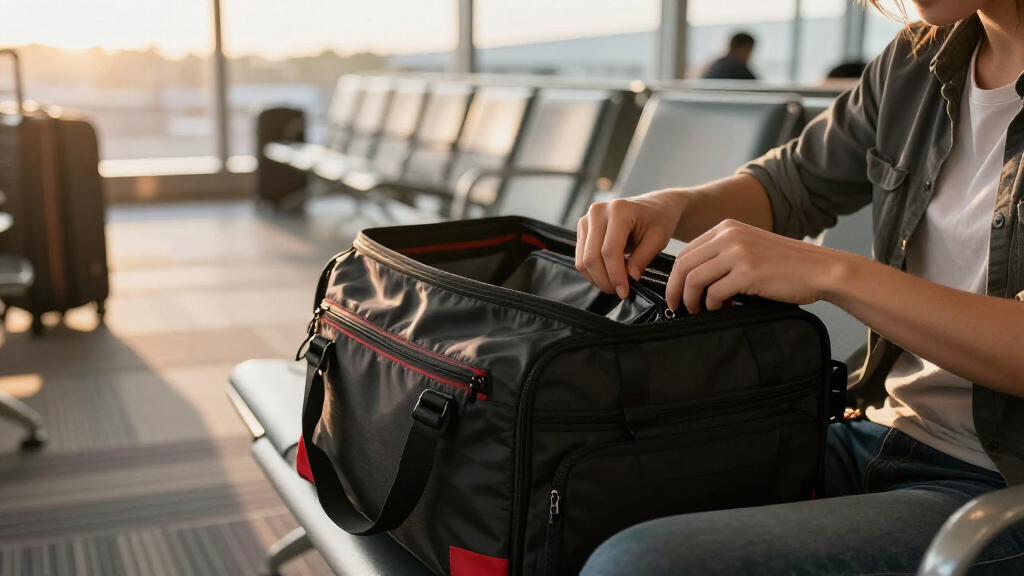
The secret to easy access starts with size and shape. Underseat bags that stay within airline limits—typically around 15-18 inches long, 10-14 inches wide, and 7-9 inches tall—are a good start. But it’s also about the shape. Bags with a rectangular or wide U-shaped opening make packing and unpacking a breeze, especially when you’re in a tight space like an airplane seat.
Imagine trying to retrieve your headphones or charger from a bag that only opens at a narrow slit. Frustrating, right? Now picture a bag with a broad, smooth-opening top that lets you see everything inside at once. That’s the difference.
For example, the BagsOK Compact Carry-On measures exactly 16 x 10 x 8 inches, fitting comfortably under most airline seats and featuring a wide, U-shaped zipper that opens fully. It’s a game changer for quick access and effortless packing.
Popular right now

iRobot Roomba Max 715 Pet Robot Vacuum with AutoEmpty Dock

KitchenAid Artisan 5-Quart Tilt-Head Stand Mixer, Almond Cream

Samsung 48-Inch S90H OLED 4K Smart TV (2026)
As an affiliate, we earn on qualifying purchases.
How do organizational features boost accessibility?
Having multiple compartments and external pockets makes a big difference. When you can organize your essentials—passport, electronics, chargers—without digging through a jumble, access becomes faster and less stressful.
Think about a traveler with a carry-on that has external mesh pockets for quick access to boarding passes or headphones. Inside, multiple dividers keep everything in place, so you spend less time searching and more time enjoying the flight.
For instance, some bags now include RFID-blocking pockets for passports, which are easy to reach and help keep your documents safe. These features are especially helpful for travelers with visual impairments or limited dexterity, who benefit from tactile cues and organized compartments.
Additionally, well-designed organizational features can reduce the cognitive load required to find items, which is particularly beneficial in stressful travel situations. When each item has a designated place, it minimizes fumbling and promotes independence for travelers with disabilities or limited dexterity, ultimately making the experience more seamless and less physically demanding.
Why handle and wheel design matter for accessibility?
Handles and wheels that are light, ergonomic, and easy to grip make a huge difference. If you’ve ever struggled to lift a heavy bag or wrestled with stiff wheels, you know how frustrating it can be. Smooth-rolling wheels with 360-degree rotation help you maneuver through tight airport aisles effortlessly.
Picture a traveler with limited strength suddenly able to glide their bag with a single finger because the handle extends smoothly and feels comfortable in their hand. That’s the kind of design that enhances accessibility.
For example, the BagsOK GlidePro features a telescoping handle made from lightweight carbon fiber with a textured grip that’s easy to hold, even with gloves or limited hand strength. Its dual spinner wheels rotate smoothly and quietly, reducing effort and noise. This combination not only simplifies movement but also diminishes physical strain, making travel less taxing for users with mobility challenges.
Choosing ergonomic, lightweight handles and high-quality wheels can also prevent fatigue and injury, especially during long walks through airports or multiple transfers. These design features are crucial in making luggage accessible for a wide range of users, including those with arthritis or reduced grip strength.
What materials make underseat bags easier to handle and more durable?
Lightweight yet durable materials like ballistic nylon or polycarbonate make it easier to lift, pull, and squeeze into tight spaces. Soft-sided bags with flexible fabrics conform better to underseat spaces, reducing the chance of getting stuck or causing damage.
Imagine trying to fit a rigid, heavy bag into a cramped airline seat pocket—now compare that with a sleek, soft-sided bag that molds itself to the available space, making packing and unpacking faster and easier.
The BagsOK FlexLite uses durable recycled polyester that’s also lightweight, weighing just 2.5 pounds but standing up to rough handling. Its soft exterior compresses slightly, fitting snugly under seats without sacrificing capacity. These materials enable easier handling because they reduce overall weight and increase flexibility, which is crucial when maneuvering in tight spaces or lifting the bag into overhead compartments or under seats. Moreover, durable materials ensure longevity and resistance to wear, so the bag remains accessible and functional over time, even with frequent travel.
How do smart and inclusive features enhance access?
Features like large, easy-to-grip zippers, tactile labels, and color-coded compartments make a difference, especially for travelers with visual impairments or limited dexterity. Some bags now include RFID-blocking pockets and contrast-colored zippers that are easier to locate and operate.
For example, bags with oversized zipper pulls or textured grips can be operated with one hand or while wearing gloves. Contrasting colors help visually identify compartments quickly, saving precious time during security checks or boarding.
Some brands incorporate tactile markers or embossed labels for travelers who cannot rely on sight alone. These thoughtful features turn a standard bag into an accessible tool for everyone, ensuring that essential items can be reached swiftly and confidently, regardless of physical limitations.
In essence, inclusive design features not only support travelers with disabilities but also enhance convenience for all users by making key functions more intuitive and easier to operate under various conditions.
What recent innovations make underseat bags more accessible today?
Modern underseat bags now come with USB charging ports, RFID-blocking pockets, and lightweight, high-tech materials. These smart features cater to the needs of travelers who want convenience and security, without sacrificing ease of access.
Picture a traveler plugging in their phone while waiting at the gate, without rummaging through their bag. Or a traveler securing their passport in a hidden RFID pocket, instantly accessible when needed.
For example, the BagsOK SmartTraveler includes a built-in USB port and a dedicated RFID pocket, all housed in a lightweight, eco-friendly shell. These innovations are designed to make access easier, safer, and more intuitive.
These technological advancements not only streamline the process of accessing and securing essential devices and documents but also reduce physical strain, making travel more accommodating for people with mobility or dexterity challenges. Integrating such features signifies a shift toward more inclusive, user-centered design in travel gear.
Frequently Asked Questions
What size underseat bag is generally accepted by airlines?
Most airlines accept bags around 15-18 inches in length, 10-14 inches in width, and 7-9 inches in height. Always check your specific airline’s restrictions before traveling to ensure compliance.How can I choose an underseat bag that is easy to access?
Look for features like wide, U-shaped openings, smooth or large zippers, multiple compartments, and lightweight construction. These make packing, unpacking, and reaching your essentials much easier.Are there underseat bags suitable for travelers with limited mobility?
Yes, many brands now incorporate ergonomic handles, tactile cues, and easy-to-operate zippers designed to improve accessibility for travelers with limited dexterity or visual impairments.What materials are best for durable yet lightweight underseat bags?
Materials like ballistic nylon, recycled polyester, and polycarbonate strike a balance between durability and weight, making your bag easier to handle and more resistant to wear.How do smart features like USB ports improve accessibility?
They allow you to charge devices without rummaging through your bag, which is especially helpful during long waits or flights. Built-in RFID pockets also enhance security and quick access to important documents.Conclusion
Accessibility in underseat bags isn’t just a nice-to-have — it’s a travel game-changer. When you pick a bag with smart design features, you spend less time fumbling and more time enjoying your trip. The right bag turns the smallest space into your most reliable travel partner.
Next time you shop, focus on features that match your needs — because accessible design isn’t just convenience. It’s freedom to travel with confidence, ease, and style.