TL;DR

Get travel and outdoor gear delivered free with Prime
- Fast, free delivery on millions of items
- Prime Video, Amazon Music and more included
- Member-only deals all year
While most airlines allow a personal-item bag, rules differ—especially among budget carriers. Always check your airline’s size limits and policies before packing to avoid surprises or extra fees at the gate.
Imagine rushing to your gate, only to be told your sleek backpack or purse doesn’t meet the airline’s size rules. Frustrating, right? Understanding whether your personal-item bag is allowed on your specific airline can save you time, stress, and unexpected charges.
In this guide, you’ll learn how policies differ, what size and weight limits to watch for, and practical tips to pack efficiently. Whether you’re a seasoned traveler or planning your first trip, knowing the rules helps you move smoothly through airports and avoid last-minute surprises.
Always measure your personal-item bag against your airline’s specific size limits before packing.
Most airlines permit a personal item, but budget carriers may enforce stricter rules or charge fees.
Use packing organizers to maximize space and ensure your bag fits under the seat in front of you.
Check security restrictions to avoid packing prohibited items that could delay your journey.
Arriving early and verifying your bag size at the airport can prevent last-minute surprises.
Are Personal-Item Bags Allowed on All Airlines?
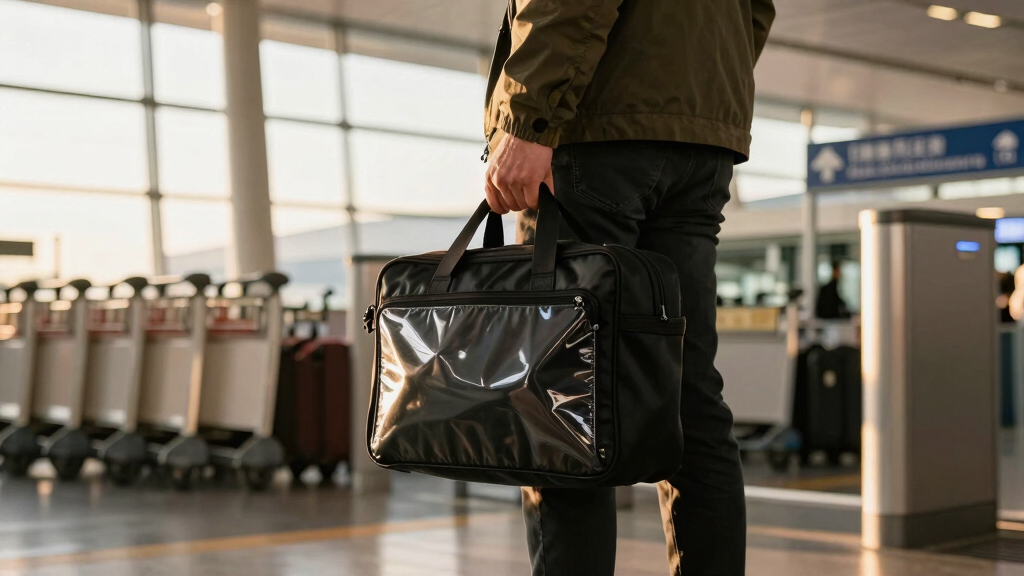
Most airlines allow one small under-seat bag, but “personal item” is not a universal size. Carrier, fare class, route and aircraft can all change what fits—and what costs extra at the gate.
What counts as a personal item?
It is the compact bag reserved for valuables and in-flight essentials. The label matters less than its loaded dimensions: handles, wheels and bulging pockets all count.
Small enough to remain beneath the seat
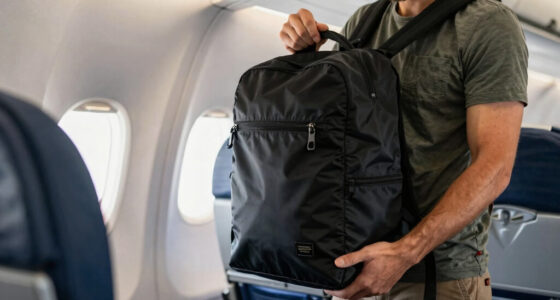
Your bag should slide fully into the under-seat space without obstructing the aisle or your footwell. A soft bag may compress, but relying on force or last-minute rearranging is risky.
One category, very different limits
A difference of just two inches can turn a free personal item into paid baggage. Treat every itinerary as a fresh measurement check, especially when separate airlines appear on one trip.
| Airline | Stated size limit | Policy signal | Planning note |
|---|---|---|---|
| American Airlines | 18 × 14 × 8 in | ✓ Included | Designed to fit beneath most seats; typically no fee. |
| Ryanair | 16 × 12 × 6 in | ! Strict | Small allowance; larger bags may trigger a charge. |
| United Airlines | 18 × 11 × 17 in | ~ Verify | Check fare conditions and aircraft-specific space. |
| Spirit Airlines | 18 × 14 × 8 in | ! Enforced | Oversized items may be reassigned and charged. |
| Emirates | 22 × 15 × 8 in | ~ Fare varies | Allowance can depend on route and class of service. |
Why the answer changes by airline
Personal items are widely accepted, but the bundled allowance and enforcement model vary. Fare type, cabin capacity and an airline’s revenue model shape the final rule.
Usually included
Large U.S. airlines commonly permit one personal item alongside a standard carry-on, although restrictive fare classes can alter the carry-on allowance.
Small and closely checked
The personal item may be the only free bag. Airport fees can apply when a packed bag exceeds the sizing frame.
Route and class matter
Weight limits, cabin class and local operating rules can matter as much as dimensions. Codeshare flights deserve extra attention.
Make it fit before airport day
A few minutes of preparation can prevent gate-side repacking, baggage fees and separation from medication, electronics or other valuables.
Read the operating airline’s current baggage policy.
Include handles, wheels and loaded exterior pockets.
Use slim cubes and keep rigid objects away from edges.
Confirm the bag closes easily without visible bulging.
Allow time for sizing or repacking on strict carriers.
What happens when the bag is too big?
The gate is the most expensive and stressful place to discover a mismatch. Staff may require payment, checking or immediate redistribution of your belongings.
Extra payment
The item may be reclassified as a carry-on or checked bag at the airport rate.
Gate checking
You may lose access to the bag during the flight and wait for it after arrival.
Rushed repacking
Moving valuables under time pressure increases the chance of loss, damage or delay.
Carry more without exceeding the limit
Efficient packing is less about filling every gap and more about preserving a compliant shape. Keep the bag flexible, balanced and easy to inspect.
Use organizers strategically
Choose slim packing cubes for clothing and flat pouches for cables. Avoid overstuffing until zippers strain.
Protect essential items
Keep medication, identification, electronics and valuables in the personal item in case another bag is checked.
Select versatile pieces
Pack foldable layers, a slim laptop and multipurpose accessories instead of bulky single-use items.
Build a security-ready zone
Place liquids and electronics where they can be removed without unpacking the entire bag.
Security essentials
- Liquids: containers no larger than 3.4 oz or 100 ml.
- Toiletries: place liquids in a clear, quart-sized bag where required.
- Electronics: keep laptops and larger devices easy to remove.
Avoid preventable delays
- Sharp objects: check local security rules before packing.
- Large bottles: empty or discard them before screening.
- Restricted goods: rules can differ by country and destination.
The smooth-travel chain
What Exactly Is a Personal-Item Bag? Know the Common Types and Dimensions
A personal-item bag is a small bag that fits under the seat in front of you. Think of it as your go-to space for essentials—laptop, wallet, snacks, or a change of clothes. Most airlines agree on the concept but differ on the size limits.
Common types include purses, small backpacks, tote bags, and briefcases. Typical dimensions hover around 18 x 14 x 8 inches (45 x 35 x 20 cm), but some airlines tighten or loosen these rules. For example, Southwest allows a personal item up to 18.5 x 13.5 x 8 inches, while Ryanair sticks to 16 x 12 x 6 inches.
Imagine fitting your compact hiking pack or a sleek leather briefcase—if it passes the size test, it counts as a personal item. But if it’s bulky, you might be asked to check it or pay extra.
Choosing the right personal item size matters because it directly impacts your ability to carry everything you need without extra charges. Oversized bags can lead to last-minute repacking or checking, which adds time, cost, and stress to your journey. Conversely, packing too small might mean leaving behind essentials, forcing you to buy or borrow items at the airport, which can be inconvenient and costly. Understanding the typical dimensions and why they matter helps you strike the right balance for a smooth travel experience.
As an affiliate, we earn on qualifying purchases.
Do All Airlines Allow Personal Items? The Big Picture
Generally, yes—most airlines permit a personal item alongside your carry-on. But the devil’s in the details. Major U.S. airlines like American, Delta, and United typically let you bring one personal item at no extra charge. Budget airlines, however, often have stricter rules or charge for anything beyond a small purse.
For instance, Spirit Airlines enforces a strict size limit of 18 x 14 x 8 inches for personal items, and you might owe an extra fee if it’s larger. Ryanair is even more rigid, with a 16 x 12 x 6-inch rule and a charge for larger bags.
International airlines vary widely. Lufthansa might be more flexible than AirAsia. Always check the specific airline’s baggage policy before packing. A quick online search or a call can save you from surprises.
Understanding these policies is crucial because they influence how you pack and plan your carry-on. If you assume all airlines are the same, you risk arriving at the gate only to find your bag doesn’t meet size requirements, leading to delays, extra fees, or the hassle of repacking. Recognizing the variability encourages travelers to verify policies ahead of time, reducing stress and ensuring smoother boarding processes.
As an affiliate, we earn on qualifying purchases.
How Size Limits Vary — A Side-by-Side Comparison of Major Airlines
| Airline | Personal Item Size Limit | Notes |
|---|---|---|
| American Airlines | 18 x 14 x 8 inches | Fits under most seats, no fee |
| Ryanair | 16 x 12 x 6 inches | Strict enforcement, charge for larger items |
| United Airlines | 18 x 11 x 17 inches | Check specific aircraft for space |
| Spirit Airlines | 18 x 14 x 8 inches | Fee may apply if oversized |
| Emirates | 22 x 15 x 8 inches | More generous, includes some international flights |
Always verify these measurements directly with your airline before packing. Remember, even a few inches can mean the difference between being allowed and having to check your bag. This comparison illustrates how diverse airline policies can be, and why it’s essential to tailor your packing plan accordingly. Overlooking even small differences can result in last-minute changes, extra fees, or the headache of repacking at the airport. Being aware of these specifics helps you plan more effectively, avoid surprises, and travel with confidence.
As an affiliate, we earn on qualifying purchases.
Tips to Make Your Personal Item Fit and Pass Inspection
- Measure your bag at home with a tape measure to double-check dimensions.
- Use packing cubes or organizers to compress and arrange items efficiently.
- Choose versatile, lightweight essentials—think slim laptop, thin books, or foldable clothes.
- Test your bag on a similar-sized space at home to simulate the under-seat fit.
- Arrive early to give yourself time for bag verification, especially on strict airlines.
Picture squeezing your electronics, snacks, and a change of clothes into a sleek, organized tote—making the most of every inch. When you take the time to measure and organize, you reduce the risk of last-minute surprises at the gate. This proactive approach not only ensures compliance but also minimizes stress, allowing you to focus on enjoying your trip. The tradeoff is worth it: a little extra prep can save you from costly fees or delays, making your journey smoother and more enjoyable.
airport security approved travel bag
As an affiliate, we earn on qualifying purchases.
As an affiliate, we earn on qualifying purchases.
What Happens If Your Personal Item Is Too Big? Know the Risks
If your bag exceeds the airline’s size limits, you risk having it checked at the gate or paying extra fees. Some airlines might ask you to repack or rearrange your belongings quickly, which can be stressful.
For example, a traveler with a 19-inch backpack on a strict budget airline could face a $50 fee or be forced to check the bag. Worse, if you’re rushing or unprepared, you might forget valuables or damage delicate items while repacking.
To avoid this, always measure your bag beforehand. If it’s borderline, consider switching to a smaller personal item or repacking essentials into a smaller purse or laptop bag. Recognizing the risks of oversized bags underscores why pre-flight measurement isn’t just a formality—it’s a critical step to prevent delays, extra charges, and logistical headaches. The implications can range from inconvenience to increased costs, so taking this precaution is a smart investment in your travel peace of mind.
Are There Restrictions on What You Can Pack in Your Personal Item?
Absolutely. Standard TSA rules apply, especially for liquids, sharp objects, or prohibited items. Keep toiletries in containers under 3.4 ounces (100 ml), and pack them in a clear, quart-sized bag.
Think about your laptop, chargers, or snacks. Avoid packing anything that could cause delays—like sharp scissors or large bottles.
Imagine going through security and having to discard your favorite cologne or a hefty bottle of water. Planning ahead minimizes hassles and keeps your travel smooth. Being aware of restrictions helps you pack smarter, avoid confiscation, and prevents delays. This knowledge is especially important because overlooked prohibited items can cause security hold-ups, missed flights, or additional screening, all of which disrupt your travel plans. Informed packing ensures a hassle-free security process and a more relaxing start to your trip.
Final Tips for Traveling With Your Personal-Item Bag
- Always double-check airline-specific size and weight limits before packing.
- Use lightweight, flexible bags that can conform to under-seat spaces.
- Pack smart—ditch bulky items, and maximize space with organizers.
- Arrive early, especially on airlines known for strict enforcement.
- Stay updated—rules can change, especially with evolving airline policies.
Imagine breezing through security with your compact, well-packed bag, knowing you’ve done everything to avoid extra fees or delays. A little prep goes a long way. Being proactive about your packing not only reduces stress but also ensures compliance with airline policies, saving you time and money. This approach transforms a potentially stressful process into a smooth, efficient experience, giving you more time to enjoy your trip from the moment you arrive at the airport.
Frequently Asked Questions
Can I use a backpack as my personal item?
Yes, a small backpack often qualifies as a personal item if it fits within the size limits set by your airline. Just measure it beforehand—most airlines allow around 18 x 14 x 8 inches. Keep it lightweight and organized for maximum efficiency.
Do budget airlines allow personal items for free?
Many budget airlines do permit a personal item, but some charge for it or enforce stricter size rules. Always check the specific airline’s policy online before booking or packing, so you avoid unexpected fees at the gate.
What if my personal item is slightly larger than allowed?
If your bag exceeds size limits, the airline might ask you to check it or charge a fee. To prevent this, measure your bag at home and consider downsizing or repacking essentials into a smaller bag.
Are liquids in my personal item subject to TSA restrictions?
Yes, liquids must be in containers of 3.4 ounces (100 ml) or less and packed in a clear, quart-sized bag. Pack only what you need, and leave larger bottles at home to avoid delays.
Can I bring a large purse as my personal item?
Typically, yes—if it fits within the size limits and is designed to go under the seat. Always measure your purse or small bag beforehand to ensure compliance.
Conclusion
Knowing the rules about personal-item bags saves you from last-minute headaches and extra charges. Every airline has its quirks, so a quick check before you pack makes all the difference.
Remember, a well-packed, compliant personal item isn’t just about avoiding fees—it’s about traveling smarter. So pack light, measure twice, and enjoy the smooth journey ahead.
Halloween Picks
halloween
As an affiliate, we earn on qualifying purchases.