TL;DR

Get travel and outdoor gear delivered free with Prime
- Fast, free delivery on millions of items
- Prime Video, Amazon Music and more included
- Member-only deals all year
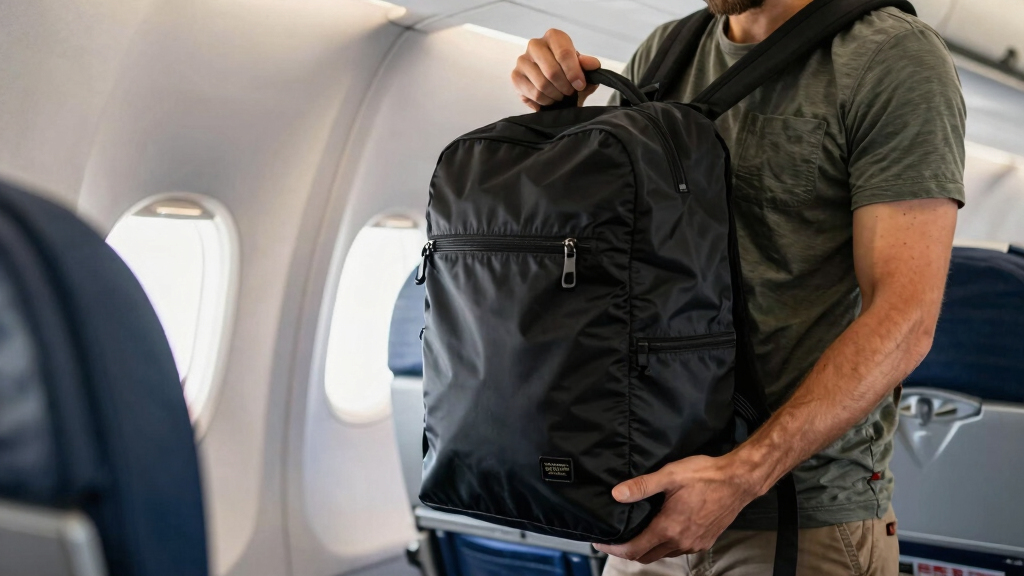
Most budget airlines limit personal items to around 18-20 inches in size. The best backpacks are lightweight, compact, and meet airline restrictions, helping you pack smart without extra fees.
Ever been stopped at the gate because your backpack was just a tad too tall? It’s frustrating—especially when you’ve already paid for your ticket and planned every inch of your trip. Choosing the right personal-item backpack isn’t just about style; it’s about fitting within those strict airline limits and avoiding extra fees.
In this guide, you’ll learn how to pick a backpack that’s compact yet spacious, durable but lightweight—perfect for budget airline travel. We’ll cover exact dimensions, key features, and real-world tips to pack smarter. Think of it as your secret weapon for smooth, budget-friendly adventures.
Always measure your backpack before packing to ensure compliance with airline size restrictions.
Opt for lightweight backpacks—under 2 pounds—to maximize packing capacity and stay within weight limits.
Use packing cubes and rolling techniques to organize and save space inside your personal item.
Prioritize durable, water-resistant fabrics like ripstop nylon for longevity and weather protection.
Double-check airline policies for personal item dimensions and weight, as they vary slightly between airlines.
Best Personal-Item Backpacks for Budget Airlines
A compact backpack is your secret weapon for smoother, cheaper travel. The right dimensions, low empty weight and efficient rectangular shape help you fit more beneath the seat without inviting last-minute repacking or an unexpected bag charge.
How small should your backpack be?
Most budget-airline personal items must fit under the seat. A slim, softly structured pack is easier to compress into a sizer than a tall hiking bag with a rigid frame.
The safest all-round target
This compact rectangular profile maximizes usable space while remaining easier to stow beneath many airline seats. Always compare it with your specific carrier’s current policy.
Rectangular
Flat sides use space efficiently, reduce awkward bulges and make packing cubes easier to stack.
Tall & rounded
Curved shells and protruding pockets can waste internal volume or fail a sizer despite modest capacity.
19 × 10 × 6″
A pack around this size can approach 20 liters while preserving a narrow, under-seat-friendly profile.
Ryanair: 40 × 20 × 25 cm
Approximately 15.7 × 7.8 × 9.8 inches. Orientation and enforcement matter, so verify before departure.
Five features of a travel-ready pack
Capacity alone is a poor measure of usefulness. The best personal item balances compliance, low weight, organization, weather protection and comfortable carry.
Size compliance
A bag that slides beneath the seat reduces the risk of gate rejection, checking and added fees.
Light construction
A sub-2-pound shell leaves more of a potential 15–20-pound allowance for belongings.
Smart compartments
Separate sleeves and quick pockets keep documents, electronics and toiletries within reach.
Durable fabric
Ripstop nylon, polyester and TPU-coated fabric resist snags, abrasion and light rain.
Comfort details
Padded straps, an adjustable fit and a breathable back panel matter on long airport walks.
Budget-travel backpack comparison
Three compact options illustrate the key trade-off: a lighter pack preserves more payload, while added structure and organization can increase empty weight.
| Model | Dimensions | Capacity | Weight | Price range | Compliance read | Highlights |
|---|---|---|---|---|---|---|
| Nomatic Navigator Lite | 18 × 12 × 6″ | 20 L | 2.4 lb | <$50 | ✓Compact profile | Water-resistant, tech pocket, sleek styling |
| eBags Slim Laptop Backpack | 19 × 11 × 6″ | 18 L | 2.2 lb | <$40 | ~Check stricter limits | Multiple compartments, narrow shape |
| Osprey Daylite Plus | 20 × 11 × 7″ | 20 L | 1.5 lb | <$50 | ~Tall for some carriers | Versatile, durable, expandable design |
Decision rule: prioritize the dimensions required by your booked fare. Product specifications, prices and airline limits can change, and a bag accepted by one carrier may be oversized for another.
Turn a small bag into useful space
Efficient packing is less about squeezing in more and more about controlling shape, separating categories and keeping important items immediately accessible.
Measure empty
Confirm external height, width and depth—including handles and filled pockets.
Roll clothing
Roll garments tightly so they form compact, stackable shapes with fewer air gaps.
Build cubes
Separate shirts, underwear and tech so each category stays controlled and accessible.
Load by weight
Place dense items near the back panel and keep soft pieces toward the outer face.
Measure packed
Check the final bulging dimensions and remove nonessentials before leaving home.
Five rules to travel lighter
Every extra inch raises uncertainty. A deliberately compact setup trades a little theoretical capacity for a much smoother airport experience.
Exactly How Small Your Backpack Should Be for Budget Airlines
Most budget airlines set the personal item limit between 18 and 20 inches in height, with widths around 10-12 inches. Ryanair, for example, allows a bag up to 40 x 20 x 25 cm (about 15.7 x 7.8 x 9.8 inches). EasyJet’s limits are similar, emphasizing the need for slim, compact packs that slide under the seat in front of you.
Imagine trying to squeeze a backpack that’s 22 inches tall and 14 inches wide into a tiny airplane seat pocket. It’s a no-go. A backpack measuring around 18 inches tall, 11 inches wide, and 6 inches deep hits the sweet spot—maximizing space while fitting under nearly every airline seat.
Choosing a backpack within these dimensions isn’t just about compliance; it directly impacts your travel experience. A smaller pack compels you to prioritize essentials, encouraging more strategic packing and reducing clutter. This often results in a more organized, less stressful journey. Conversely, exceeding size limits may seem tempting to carry more, but it increases the risk of rejection at the gate or needing to check your bag, which adds time, cost, and potential inconvenience. The tradeoff is clear: aim for the most compact, efficient pack to enjoy a hassle-free, budget-friendly trip.
personal item backpack for airline travel
As an affiliate, we earn on qualifying purchases.
As an affiliate, we earn on qualifying purchases.
The Best Sizes and Shapes for Personal Items That Travel Light
Size isn’t just a number—it influences how well your bag fits into overhead compartments or under seats, and how comfortably it can be manipulated in tight spaces. Selecting the right shape and size means balancing capacity with flexibility. A rectangular shape often maximizes space efficiency, allowing you to pack more in a streamlined form that conforms easily to various storage areas. This shape makes stacking and organizing simpler, reducing the chances of awkwardly shaped bulges that can get caught or cause delays during boarding.
For example, a 19-inch tall, 10-inch wide, 6-inch deep backpack offers nearly 20 liters of capacity, enough for essentials without risking airline size violations. This size strikes a balance—large enough to carry a day’s worth of items but small enough to slide under seats or into overhead bins without fuss. The shape also influences accessibility; rectangular packs tend to have flat surfaces, making it easier to organize items and retrieve them quickly during security checks or when on the move.
Beyond dimensions, consider how the shape impacts your packing efficiency. Rounded or irregular shapes might look stylish but often waste space or make organization more difficult. The goal is to find a pack that’s both compact and functional—allowing you to pack smartly, access items easily, and avoid delays or extra charges caused by misfit luggage.
lightweight compact travel backpack
As an affiliate, we earn on qualifying purchases.
As an affiliate, we earn on qualifying purchases.
How to Pack a Personal Backpack Efficiently for a Weekend Getaway
Maximize your space by rolling clothes tight—like sushi rolls—so they press flat and save room. Use packing cubes to organize your gear: one for underwear, one for shirts, another for tech gadgets. Remember, every inch counts, and organized packing can make the difference between a manageable bag and a bulky mess.
For instance, a 3-day trip might only need a 10-liter cube for clothes, leaving room for snacks, a book, and your tech. Keep essentials near the top or in easily accessible pockets—passport, boarding pass, phone—so you’re not digging through a jumble during security checks. Proper packing not only saves space but also prevents overstuffing, which can cause your bag to exceed size limits or become uncomfortable to carry.
Deep packing isn’t just about fitting everything; it’s about strategic access and protection. Rolling clothes reduces wrinkles and maximizes space, but it also makes it easier to reorganize if needed. Packing cubes help compartmentalize items, making it simpler to find what you need without unpacking everything. Prioritizing quick-access pockets ensures you can retrieve travel documents or electronics swiftly, reducing delays and stress during security checks. This approach streamlines your journey, making your travel experience smoother and more enjoyable.
under 20 inch personal item backpack
As an affiliate, we earn on qualifying purchases.
As an affiliate, we earn on qualifying purchases.
Comparison Table: Top Personal-Item Backpacks for Budget Travel
| Model | Dimensions (inches) | Capacity (liters) | Weight (pounds) | Price Range | Highlights |
|---|---|---|---|---|---|
| Nomatic Navigator Lite | 18 x 12 x 6 | 20 | 2.4 | <$50 | Water-resistant, tech pocket, sleek |
| eBags Slim Laptop Backpack | 19 x 11 x 6 | 18 | 2.2 | <$40 | Multiple compartments, lightweight |
| Osprey Daylite Plus | 20 x 11 x 7 | 20 | 1.5 | <$50 | Versatile, durable, expandable |
Understanding the significance of these sizes helps you make smarter choices. A bag just under the maximum dimensions is easier to stow and less likely to be rejected or checked. Larger packs may seem appealing for extra storage but often lead to delays, added fees, and inconvenience. Well-designed backpacks often include features like compression straps or flexible materials that allow slight expansion, but knowing your limits keeps you within the safest bounds. The key is balancing capacity with compliance—maximizing convenience and minimizing hassle for a seamless travel experience.
durable water-resistant travel backpack
As an affiliate, we earn on qualifying purchases.
As an affiliate, we earn on qualifying purchases.
Key Features That Make a Backpack Travel-Friendly & Airline-Approved
- Size compliance: Fits under the seat, no surprise fees. Why it matters: Airlines enforce these limits strictly, and exceeding them can lead to gate rejection or extra charges. Choosing a compliant size ensures smooth boarding and saves time.
- Lightweight construction: Leaves room for packed gear, keeps total weight under airline limits (usually 15-20 lbs). Why it matters: Heavier packs reduce your packing capacity and can push you over weight limits, incurring fees or forcing you to leave belongings behind.
- Multiple compartments: Organized, quick access to essentials. Why it matters: Well-organized compartments save time during security checks and make it easier to access items without unpacking everything, reducing stress.
- Durable materials: Water-resistant fabrics like ripstop nylon fend off rain and snags. Why it matters: Durability extends the life of your backpack and protects your gear during unpredictable weather or rough handling.
- Comfort features: Padded straps, breathable back panels for long walks or airport commutes. Why it matters: Comfort features reduce fatigue and make navigating airports or city streets more pleasant, especially on long travel days.
For example, a backpack with a dedicated laptop sleeve and quick-access front pocket will save time during security checks. Plus, sturdy zippers and reinforced seams mean it withstands rough handling. These features collectively contribute to a travel-friendly design that simplifies your journey and protects your investment.
Why a Lightweight Backpack Can Save You Big Time
Weight really matters when flying budget airlines. Many restrict the personal item to around 15 pounds. A backpack weighing under 2 pounds means you can pack more without risking extra fees or having to leave behind essentials.
Take the Osprey Daylite Plus—just 1.5 pounds but with 20 liters of capacity. It’s like carrying a feather with a pocket full of surprises. The lighter your pack, the more flexibility you have in what you carry, and the less strain you endure during long walks or airport navigation. Additionally, lightweight backpacks often feature flexible, packable designs that can conform to tight spaces, making them easier to stow under seats or in overhead bins. This flexibility enhances your ability to adapt to different aircraft layouts and storage options, ultimately making your travel experience smoother and less stressful.
Avoid These Common Personal-Item Backpack Mistakes
Overpacking is the biggest trap—stuffing too much turns your sleek backpack into a bulky mess that won’t fit under the seat. Also, choosing a bag with a rigid structure can make packing and fitting more difficult. Rigid, oversized bags often force you to check or gate-check, adding delays and fees. They also reduce flexibility in tight storage spaces, increasing the risk of damage or rejection. Conversely, soft-sided, flexible backpacks can mold to available space, but they might lack the protection for fragile items. The tradeoff is between protection and adaptability. Understanding your needs—whether you value more protection or maximum flexibility—will help you select the best pack for your trips.
Pro tip: pack only what you need. Extra snacks, bulky chargers, or unnecessary clothes quickly turn manageable into overstuffed chaos, increasing weight and risking size violations. Being selective ensures your bag stays within limits and keeps your journey hassle-free.
Final Tips to Make Your Personal Item Travel-Ready
- Measure your backpack with a ruler or tape measure—don’t guess.
- Use packing cubes to stay organized and save space.
- Pack essentials on top or in exterior pockets for quick access.
- Double-check airline size and weight limits before heading to the airport.
- Choose a lightweight, durable bag that fits your style and needs.
For example, pack a change of clothes, your tech, and toiletries efficiently. Keep your passport and boarding pass in an easy-to-reach pocket, so you breeze through security. Proper packing strategies reduce stress and help you avoid last-minute surprises at the gate. Being prepared with the right gear and packing method ensures a smoother journey, allowing you to focus on enjoying your trip rather than stressing over your luggage.
Frequently Asked Questions
What is the best size for a personal-item backpack on budget airlines?
Aim for a backpack around 18-20 inches tall, no more than 11 inches wide, and 6 inches deep. This size fits under seats on most budget airlines and maximizes space without risking extra fees.Can I use any backpack as my personal item on budget airlines?
Only if it meets the airline’s size and weight restrictions. Always measure your bag before packing and check specific airline policies to avoid surprises at the gate.How do I pack efficiently in such a small backpack?
Use packing cubes, roll your clothes tightly, and prioritize essentials. Keep frequently used items in exterior or quick-access pockets to save time during security checks.Are there stylish yet affordable backpacks that meet airline rules?
Yes, many brands offer sleek, minimalist designs that cost between $20-$50. Look for models with a slim profile, durable materials, and organized compartments.What materials should I look for in a travel backpack?
Ripstop nylon, polyester, and TPU-coated fabrics are best for durability and weather resistance. These materials stand up to the rigors of travel and keep your gear dry.Conclusion
Sticking to the exact size limits isn’t just a rule—it’s a way to travel smarter and smoother. A well-chosen, lightweight backpack makes your trip easier, saving time and avoiding fees. It’s a small investment with a big payoff—less hassle, more freedom.
So, choose your pack wisely, pack light, and enjoy the ride. After all, your best travel moments start with smart packing.
Halloween Picks
halloween
As an affiliate, we earn on qualifying purchases.