TL;DR

Get travel and outdoor gear delivered free with Prime
- Fast, free delivery on millions of items
- Prime Video, Amazon Music and more included
- Member-only deals all year
TSA-approved locks let security open and re-lock your luggage without damage but aren’t foolproof against theft. Non-approved locks are more secure from tampering but risk being broken open or cut. Combining quality locks with other security measures offers the best protection.
Ever had your luggage damaged or forced open at security? Or maybe wondered if your lock is actually keeping your belongings safe? The truth is, the type of lock you choose can make a big difference in how secure your bag really is—and how easy it is for TSA or thieves to get in. If you’re tired of guessing whether your lock helps or hurts your luggage security, this guide clarifies the impact of TSA-approved versus non-approved locks.
We’ll explore how each type works, their risks, recent tech advances, and practical tips to keep your stuff safe. Whether you’re a frequent flyer or planning your first big trip, knowing the ins and outs of luggage locks can save you time, money, and stress.
TSA-approved locks let security inspect your luggage without damage but aren’t foolproof against theft.
High-quality locks with pick-resistant features provide better security and durability.
Non-approved locks are more resistant to tampering but risk being forcibly broken open, causing damage.
Recent tech innovations, like smart locks, add convenience but require careful selection and management.
Layered security—locks, seals, labels—offers the best protection for your belongings.
What exactly are TSA-approved locks—and why do they matter?
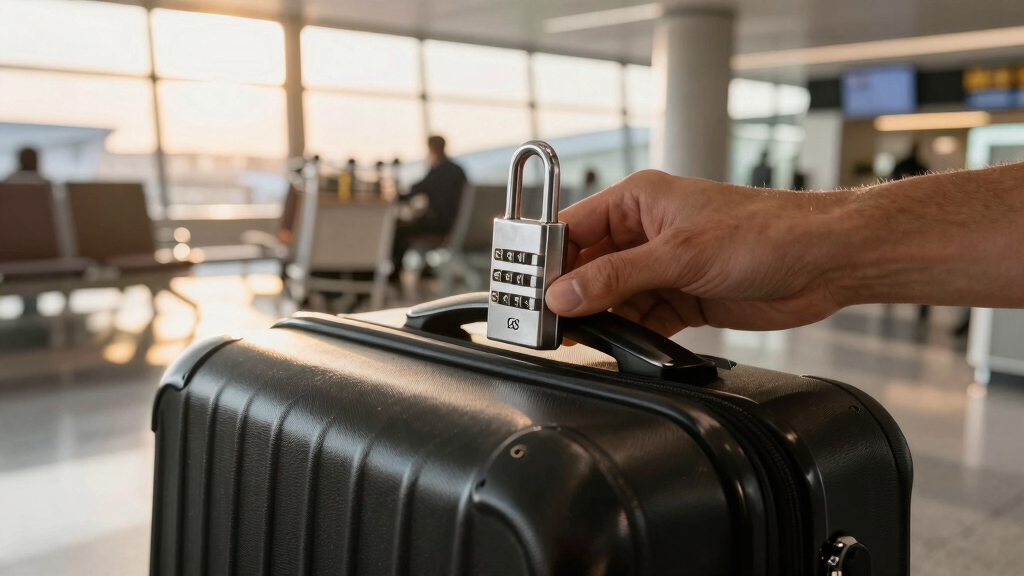
**TSA-approved locks are specially designed to be opened by airport security** using universal master keys. These locks are typically marked with a red diamond-shaped logo, so TSA agents recognize them immediately. Why bother? Because they allow security to inspect your luggage without breaking or damaging the lock, saving you from costly replacements or delays.
Imagine this scenario: You arrive at the airport, and your bag is flagged for inspection. With a TSA-approved lock, agents can open, check, and close your bag seamlessly. No broken zippers, no broken locks. That convenience is why many travelers prefer them, especially on busy travel days.
But not all TSA-approved locks are equal. Some are made of flimsy plastic, easily broken, or cheaply manufactured. Picking a durable, high-quality lock makes a real difference in security and longevity.
As an affiliate, we earn on qualifying purchases.
How non-approved locks can protect your luggage better (or worse)
**Non-approved locks are traditional locks that lack TSA compatibility**. They include standard combination locks, padlocks, or key locks not recognized by TSA. On the surface, they seem more secure because TSA agents can’t open them without your key or combo.
However, that can be a double-edged sword. If TSA needs to inspect your luggage, they often resort to cutting or forcibly opening non-approved locks. This can result in damage, or even losing your lock altogether. For example, a traveler at JFK recently had her non-approved padlock cut open, leading to a $150 replacement cost for her luggage.
**The upside?** Thieves might find non-approved locks tougher to bypass, as they’re often more resistant or less predictable. Yet, because they’re not recognized by TSA, they’re also more likely to be forcibly broken, which can damage your bag.
smart luggage locks with app control
As an affiliate, we earn on qualifying purchases.
As an affiliate, we earn on qualifying purchases.
How lock quality and design can tip the security balance
Not all TSA-approved or non-approved locks are created equal. High-quality TSA locks feature pick-resistant mechanisms, sturdy materials, and advanced locking systems. Some incorporate electronic or digital codes, making them harder to crack.
For example, a traveler with a TSA-approved lock from a reputable brand found his lock withstands multiple security checks without damage. Meanwhile, a cheaper model from a no-name brand broke after just one inspection, exposing his belongings.
**Tip:** Always choose locks with solid metal construction and good reviews. Avoid flimsy plastic models, even if they’re TSA-approved. Remember: a lock’s durability directly impacts your luggage’s overall security.
high security combination padlocks for luggage
As an affiliate, we earn on qualifying purchases.
As an affiliate, we earn on qualifying purchases.
The risks you face with each lock type—what you really need to know
**TSA-approved locks** are convenient but not invincible. Skilled thieves or those with access to master keys can still break or pick them. Sometimes, poorly made locks are easy to snap or pry open.
**Non-approved locks** may stand up better against tampering, but security personnel often resort to force if they need access—cutting or smashing the lock, which can damage your luggage.
According to BagsOK, “The most significant risk isn’t theft—it’s damage from forced opening or breakage.” That means choosing a lock isn’t just about resisting theft but also about minimizing damage during security checks.
**Pro tip:** Use locks as part of a layered security approach—add tamper-evident seals or packing strategies to bolster protection.
As an affiliate, we earn on qualifying purchases.
Recent tech and industry shifts—what’s changing in luggage locks?
**New developments** include electronic and smart locks that can be controlled via smartphone apps. These locks often feature encrypted digital codes, making them harder to pick or cut. Some even notify you if someone tampers with your luggage.
For example, a traveler using a smart lock reported receiving an alert when TSA briefly opened her bag, giving her peace of mind. These tech advances are promising, but they come with higher costs and a need for power sources.
**TSA’s stance?** They’re open to approved electronic locks, but caution is advised—cheap electronics can be hacked or malfunction. Industry insiders recommend pairing a sturdy traditional lock with smart features for layered security.
What travelers should do to keep their luggage safe
**Follow these tips** to maximize your luggage security:
- Use a high-quality TSA-approved lock from a reputable brand.
- Pair locks with tamper-evident seals or packing cubes.
- Label your luggage with contact info in case it gets lost.
- Consider adding a smart lock for extra control, especially on longer trips.
- Always check your lock’s integrity after security checks, and replace if damaged.
Remember, **locks are just one part** of a broader security strategy. Combining locking with smart packing and vigilance keeps your belongings safer.
Frequently Asked Questions
Are TSA-approved locks really more secure than non-approved locks?
TSA-approved locks are designed for convenience, allowing security to open and re-lock your luggage without damage. However, they aren’t necessarily more secure against theft because determined thieves or compromised master keys can bypass them.Can TSA agents open my luggage without damaging the lock?
Yes, if your lock is TSA-approved, agents can open it with a master key and then re-lock it. This avoids damage, but it doesn’t guarantee your belongings won’t be accessed by others if the lock is weak or flawed.What should I do if my TSA lock gets broken during security?
Contact the lock manufacturer or replace it with a higher-quality, more durable lock. Consider keeping a spare or choosing models with better resistance to forced entry.Are electronic or smart locks safer than traditional TSA-approved locks?
Smart locks can add extra security and convenience, especially with app alerts and digital codes. But they can also be more expensive, vulnerable to hacking, or require batteries, so weigh the risks and benefits carefully.Should I rely solely on a lock for luggage security?
No. Locks are just one layer. Use tamper-evident seals, packing strategies, and clear labels to strengthen your overall security and reduce the risk of theft or damage.Conclusion
Choosing between TSA-approved and non-approved locks involves balancing convenience, security, and potential damage. A durable, high-quality TSA lock paired with smart security practices offers the best chance of protecting your belongings without hassle. Remember: Your luggage lock is just one layer—combine it with smart packing and vigilance for peace of mind.
Next time you pack, think about your trip, your belongings, and how your lock can work for you—not against you. After all, a well-chosen lock isn’t just about security; it’s about smarter travel.
Halloween Picks
halloween
As an affiliate, we earn on qualifying purchases.