TL;DR

Get travel and outdoor gear delivered free — and shop member deals
- Fast, free delivery on millions of items
- Access to Prime Big Deal Days deals on October 6–7
- Prime Video, Amazon Music and more included
The best travel bags for security checks feature lay-flat laptop compartments, compliant sizes, and TSA-friendly hardware. Packing smart with these designs can save you minutes and nerves at the checkpoint.
Ever been stuck in a long line, fumbling with zippers, trying to wrestle your laptop out of your bag? It’s frustrating—and slow. The right travel bag can make all the difference, turning a stressful checkpoint into a quick, almost effortless stop.
In this guide, you’ll learn exactly what features to look for, how to pack for speed, and the best types of bags designed for easy security checks. Think of it as your secret weapon for smoother airport journeys.
Choose bags with lay-flat, full-opening compartments for faster laptop removal.
Verify your airline’s size limits—wheels and handles count—and pack accordingly.
Use TSA-approved locks and durable materials to speed inspection without damage.
Pack liquids, electronics, and travel docs in quick-access pockets for instant retrieval.
Opt for softside backpacks or hardside spinners based on your travel style and airport setup.
Best Travel Bags Designed for Easy Security Checks
Ever been stuck in a long line, fumbling with zippers, wrestling your laptop out of your bag? The right bag turns a stressful checkpoint into a quick, almost effortless stop. Lay-flat laptop compartments, compliant sizes, and TSA-friendly hardware are your secret weapon for smoother airport journeys.
incl. wheels & handles
cabin limit
underseat target
cabin weight limit
per 3-1-1 rule
Six Features That Cut Your Wait in Half
A checkpoint-friendly bag isn’t just about size — it’s about layout. Bags that unzip fully into a flat panel let TSA agents see your laptop clearly without you removing it: less time fussing with zippers, more time moving through the line.
Lay-Flat Laptop Compartment
Unzips and unfolds 180° like a book, so the laptop lies alone on the X-ray belt — satisfying the “clear view” rule without removing the device.
Dedicated Padded Sleeves
Keep laptop and tablet protected and positioned for fast removal — essential at international airports that still require devices out.
Quick-Access Pockets
Top pockets sized for the liquids bag, passport, phone and boarding pass — the items you handle most when every second counts.
Size Compliance
Bags near 22×14×9″ (56×36×23 cm) — wheels and handles included — avoid gate checks and last-minute repacking.
Durable Locks & Zippers
TSA-accepted locks and puncture-resistant YKK zippers withstand rough handling and repeated inspection without damage or delay.
RFID-Blocking Pockets
Shield passports and cards from digital theft outside the airport — a real-world security bonus readers ask about.
Hardware & Materials That Make Security Faster
One traveler with a ballistic-nylon bag and a TSA lock left everything intact during a check — no cutting, no repacking, no delay. These choices balance durability, security and ease of inspection.
TSA-Accepted Locks
Look for the Travel Sentry red diamond logo. Screeners open it with a master key instead of cutting your lock — the only locks safe from being cut during US bag inspections.
Puncture-Resistant Zippers
YKK or lockable double-coil zips resist damage from rough handling and repeated opening — no broken pulls, no forced bag checks, no mid-trip replacements.
Ballistic Nylon & Polycarbonate
1680D ballistic nylon, polycarbonate or tough polyester shrug off conveyor-belt rides and bin drops that would otherwise cause damage, delays and repacking.
Easy-Access Battery Storage
Spare lithium batteries and power banks must be in your carry-on, never checked — a dedicated quick-access pocket keeps them declared and reachable.
Compare Bag Types for Security Ease
The right format depends on your travel style, packing habits and typical airport setup. Hardside spinners repack fastest at the bin; lay-flat backpacks win for one-bag travelers.
| Bag Type | Security Speed | Best For | Pros | Cons |
|---|---|---|---|---|
| Hardside Spinner | ✓ Fast | Fast packing, quick access at security | Clamshell opening, durable, easy to wipe clean | Heavier, less flexible |
| Softside Backpack, Lay-Flat | ✓ Fast | One-bag travelers, backpackers | Flexible, lightweight, fits under seat | Less structured, can get cluttered |
| Underseat Roller | ~ Medium | Business travelers, minimal packers | Fits under seat, easy to access | Limited capacity, may require gate check |
| Convertible (Backpack + Tote) | ~ Medium | Versatile travelers | Multi-use, checkpoint friendly | Can be heavier, complex to pack |
Size Rules Aren’t Universal
US airlines typically cap carry-ons at 22×14×9″ including wheels and handles. European carriers tighten the rules. A 20L softside backpack at 19×13×7″ fits most restrictions — but always verify before you pack.
Weight limits vary more internationally — 7 to 10 kg is typical on Asian and European carriers. Many US airlines don’t weigh carry-ons at all, so a bag that flies domestically can be overweight abroad.
Powders over 12 oz (350 ml) in carry-ons may require extra screening — pack them checked or keep them accessible.
The 5-Step Checkpoint Flow
Pull out your liquids and electronics in seconds, then zip through the line — like a well-rehearsed dance. Proper packing speeds the process and cuts stress.
Pre-Pack Liquids
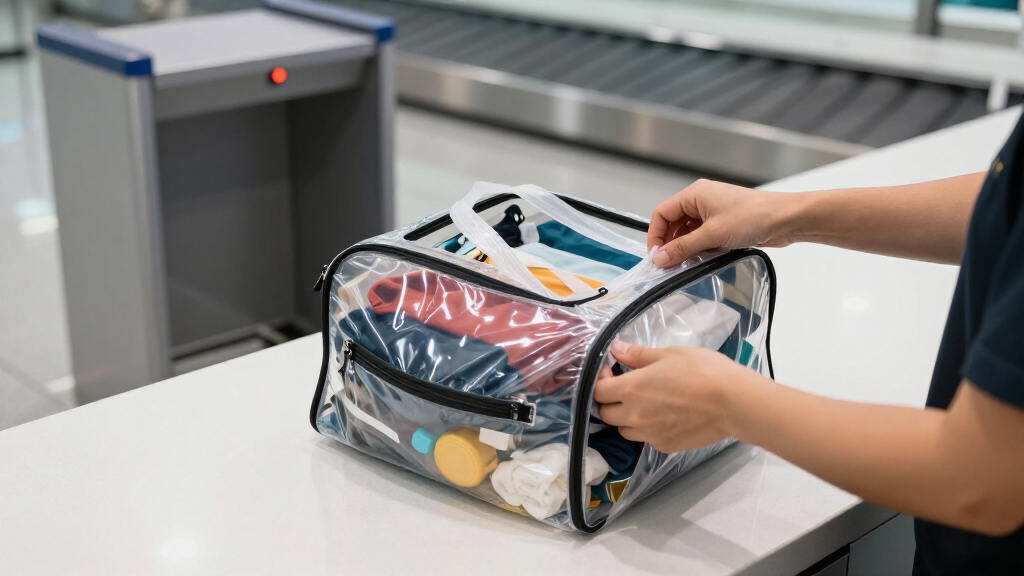
3-1-1 quart-size clear bag, ready to grab from a top pocket.
Stage Electronics
Laptop in the lay-flat compartment or a quick-access sleeve.
Docs Within Reach
Passport and boarding pass in an accessible pocket — REAL ID now enforced for US flights.
Shed Layers Early
Remove bulky jackets and belts before you reach the scanner.
Unzip, Lay Flat, Go
One motion: the bag opens flat on the belt. No removal, no repacking.
Scanners Are Changing — Pack as If They Haven’t
New CT scanners let passengers leave liquids and laptops inside bags, but deployment is uneven worldwide. Most lanes still use the old rules.
CT Scanner Rollout
3D computed-tomography scanners at some major airports (and much of the UK/EU) allow laptops and liquids to stay inside bags — but most lanes worldwide haven’t upgraded.
The UK Liquids Flip-Flop
Several UK airports briefly raised the limit to 2 L in 2024, then reverted to 100 ml months later over equipment approval issues. The EU followed at CT-equipped airports.
US Rule Under Review
TSA has signaled larger liquid allowances may come as CT scanners spread — but nothing is official. Verify current policy before you fly.
Choose a lay-flat, size-compliant bag with TSA-friendly hardware, pack liquids and docs for instant retrieval — and you’ll save minutes and nerves no matter which scanner you get.
Why Your Bag’s Design Can Save You Minutes at Security
A checkpoint-friendly bag isn’t just about size; it’s about layout. Bags that unzip fully into a flat panel let TSA agents see your laptop clearly without you removing it. This means less time fussing with zippers and more time moving through the line.
Imagine a bag that opens like a book, with the laptop laying flat on the X-ray belt. That’s the core idea behind checkpoint-friendly design—cutting your wait in half and reducing the chance of a bag check due to clutter.
Why does this matter? Because the time saved can be significant, especially during busy travel periods. When your bag is designed for quick inspection, it reduces the risk of delays, missed connections, and the hassle of repacking. However, it’s worth noting that these designs often require careful packing to ensure everything remains organized and accessible, which means you might need to adapt your packing habits for maximum efficiency.
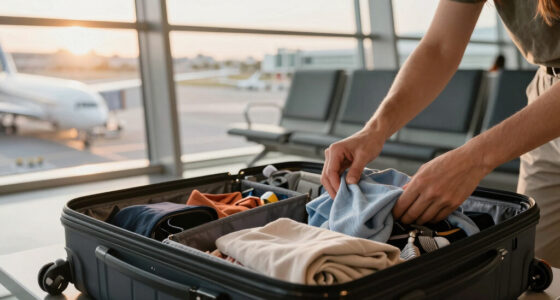
carry-on luggage with lay-flat laptop compartment
As an affiliate, we earn on qualifying purchases.
As an affiliate, we earn on qualifying purchases.
Key Features to Look for in Travel Bags for Quick Security
- Lay-flat laptop compartments: These allow your laptop to be zipped open and laid flat, mimicking the way electronics are handled in security scanners. This feature reduces the need to remove devices, saving time and minimizing the risk of forgetting an electronic in your bag. The tradeoff is that such compartments can sometimes add bulk or limit packing space, so choose one that balances accessibility with your packing needs.
- Dedicated, padded sleeves: For tablets and laptops, these sleeves keep your electronics protected and positioned for quick removal. Proper padding prevents damage during transit and helps maintain organization, but overly bulky sleeves might reduce overall packing capacity.
- Quick-access pockets: These are designed to hold liquids, passports, and boarding passes. They allow instant retrieval, which is crucial when every second counts. The downside is that over-reliance on external pockets can lead to clutter, so packing systematically remains essential.
- Size compliance: Bags that meet airline size restrictions—around 22″ x 14″ x 9″—help avoid gate checks and last-minute repacking. However, strict adherence to size can limit how much you pack, forcing you to prioritize essentials and potentially leave behind items that could be useful.
- Durable hardware: TSA-approved locks, puncture-resistant zippers, and sturdy materials ensure your bag can withstand handling and security inspections without damage. While these features add to the initial cost, they reduce the risk of damage and security delays caused by broken hardware.
For example, a bag with a dedicated laptop compartment that zips open into a flat panel speeds up the process, especially if you’re in a busy international airport with CT scanners that accept laptops inside bags. Balancing these features with your packing style ensures you maximize efficiency without sacrificing protection or capacity.
As an affiliate, we earn on qualifying purchases.
Size and Dimension Tips for Different Airlines
Size rules aren’t universal. US airlines typically cap carry-ons at 22″ x 14″ x 9″ including wheels and handles. European carriers often tighten the rules, with 55 x 40 x 20 cm common limits.
For personal items, aim for around 18″ x 14″ x 8″—small enough to slide under the seat but large enough for essentials. Remember, weight limits vary more internationally—7 to 10 kg is typical.
For instance, a 20L softside backpack measuring 19″ x 13″ x 7″ fits most domestic and many international restrictions, but always verify before you pack. Being aware of these size guidelines helps prevent last-minute surprises that could require gate checking or re-packing, both of which can add significant delays and inconvenience.
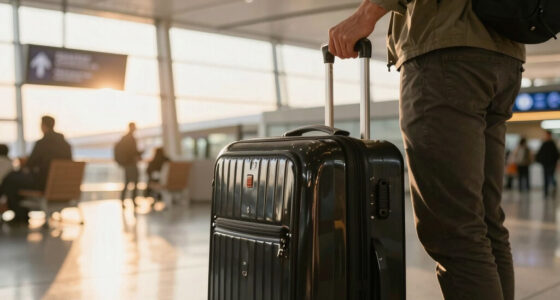
hard side spinner luggage with quick access pockets
As an affiliate, we earn on qualifying purchases.
As an affiliate, we earn on qualifying purchases.
Hardware and Material Choices That Make Security Faster
Look for TSA-accepted locks—marked with a red diamond—so agents can open your bag without cutting the lock. Puncture-resistant zippers from brands like YKK also speed up inspection because they resist damage from rough handling and repeated opening. This reduces the chance of having to replace hardware or deal with delays caused by damaged zippers.
Materials matter too: ballistic nylon, polycarbonate shells, or tough polyester resist damage during conveyor belt rides and rough handling, which can otherwise lead to delays or the need to repack. RFID-blocking pockets are a bonus, keeping your passport and cards safe from digital theft, but they don’t directly impact security checks. Their main benefit is security outside the airport, not speeding up the screening process.
A traveler once used a ballistic nylon bag with a TSA lock and was able to leave everything intact during a check, saving time and hassle. These choices reflect a balance between durability, security, and ease of inspection, which can significantly streamline your airport experience.
As an affiliate, we earn on qualifying purchases.
Compare Common Travel Bag Types for Security Ease
| Bag Type | Best For | Pros | Cons |
|---|---|---|---|
| Hardside spinner | Fast packing, quick access at security | Clamshell opening, durable, easy to wipe clean | Heavier, less flexible |
| Softside backpack with lay-flat compartment | One-bag travelers, backpackers | Flexible, lightweight, fits under seat | Less structured, can be cluttered |
| Underseat roller | Business travelers, minimal packers | Fits under seat, easy to access | Limited capacity, may require gate check |
| Convertible bag (backpack + tote) | Versatile travelers | Multi-use, checkpoint friendly | Can be heavier, complex to pack |
Understanding the tradeoffs among these options helps travelers choose the right bag for their priorities. For example, hardside spinners offer quick access and durability but can be heavier, which may be a concern for those trying to minimize weight. Softside options provide flexibility and often more packing space but might require more careful organization to avoid clutter. Selecting the right type depends on your travel style, packing habits, and the typical airport environment you encounter.
Packing Tips for Faster Screening
- Pre-pack your liquids and place them in a clear, quart-sized bag—ready to grab.
- Keep your electronics in the lay-flat compartment or a quick-access pocket.
- Remove bulky jackets and belts before reaching the scanner to save time.
- Pack your passport, boarding pass, and liquids in accessible pockets for quick retrieval.
- Choose a bag with a dedicated laptop compartment to unzip and lay flat in one motion.
Imagine pulling out your liquids and electronics in seconds, then zipping through the line with ease—like a well-rehearsed dance. Proper packing not only speeds up the process but also reduces stress, allowing you to focus on your journey rather than last-minute scrambling.
What Travelers Say About Bags That Speed Up Security
Many frequent flyers swear by bags with lay-flat compartments, citing how they cut a typical 10-minute wait down to five or less. One seasoned traveler shared that switching to a backpack with a dedicated laptop sleeve saved her at least 3 minutes per trip—time she valued during tight connections.
Others praise hard-shell spinner bags for their quick, clamshell access, especially when CT scanners are in use, which allow laptops to stay inside the bag. But some warn that heavier materials can slow down handling in busy airports. These insights highlight the importance of choosing a bag that balances speed, durability, and convenience, tailored to your typical travel environment.
Frequently Asked Questions
Do I still have to take my laptop out if I have a checkpoint-friendly bag?
It depends on the airport and scanner type. Many US airports with CT scanners allow laptops to stay in the bag if the compartment opens flat. But some international airports still require full removal—always verify before your trip.
What is the 3-1-1 liquids rule, and what counts as a liquid?
All liquids, gels, and aerosols must be in containers of 3.4 oz (100 ml) or less, placed in a single quart-sized clear bag. This includes items like shampoo, toothpaste, and even peanut butter or mascara. Larger containers are typically flagged for separate inspection or gate check.
Are hardside or softside bags better for security checks?
Hardside bags often open like a clamshell, making it easier to quickly access items without digging. Softside bags can be more flexible and fit into tight spaces. The choice depends on your packing style and airport setup, but hardside often wins for speed at security.
Can I keep liquids inside my bag now with CT scanners?
Yes, if your airport has CT scanners, you might keep liquids and electronics inside your bag. But rules vary—verify the scanner’s acceptance policies before traveling. When in doubt, pack liquids in a clear bag for quick removal if needed.
What features should I look for in a checkpoint-friendly travel bag?
Prioritize lay-flat, full-opening laptop compartments, compliant size dimensions, TSA-accepted locks, and durable, puncture-resistant materials. These features streamline the security process and protect your gear during travel.
Conclusion
In airports where every minute counts, your choice of bag can make a real difference. Pick one with a flat-lay laptop compartment, keep essentials handy, and always double-check your airline’s size rules. That simple change can turn a stressful wait into a smooth, quick pass.
Next time you pack, think about how your bag’s design can work for you—not against you. Because the faster you clear security, the sooner you’re moving toward your adventure, not stuck in line.
Fall Picks
fall essentials
As an affiliate, we earn on qualifying purchases.