TL;DR

Get travel and outdoor gear delivered free with Prime
- Fast, free delivery on millions of items
- Prime Video, Amazon Music and more included
- Member-only deals all year
The best carry-on for international flights fits airline size limits, weighs under 22 pounds, and balances durability with lightweight design. Always verify specific airline restrictions before buying.
Always verify your airline’s specific size and weight limits before choosing your carry-on.
Opt for lightweight, durable materials—polycarbonate hard-shells or high-quality nylon are best.
Spinner wheels make airport navigation easier, especially on sprawling international terminals.
Prioritize security features like TSA-approved locks and sturdy zippers to protect your gear.
Expandable options are handy but measure after expansion to stay within airline limits.
How to Find the Perfect Size Without Guesswork
Most airlines stick to a size limit of about 22 x 14 x 9 inches for carry-ons. That’s roughly a small backpack or a large duffel. But some budget airlines tighten the rules, so always check your airline’s website before buying. A bag that’s just under 22 inches long, 14 inches wide, and 9 inches deep will slide through most checks.
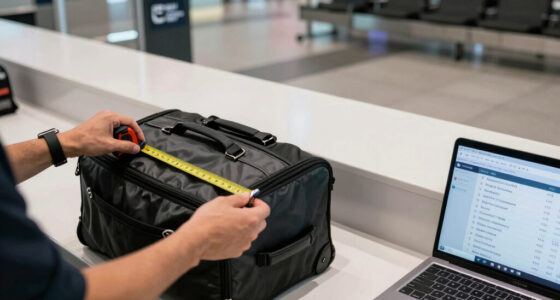
To avoid surprises, measure your preferred luggage with a tape measure, including wheels and handles. Remember, a few millimeters can matter. For example, a 22.1-inch bag might get flagged, even if it fits in your closet.
Pro tip: look for bags with a slightly flexible frame—hard-shells are precise, but soft-shells or expandable models give you wiggle room.
As an affiliate, we earn on qualifying purchases.
Why Weight Matters More Than You Think
Airlines typically limit carry-on weight to around 15-22 pounds (7-10 kg). Exceed that, and you risk extra fees or having to check your bag. So, choosing a lightweight suitcase helps you pack more without crossing the line.
Look for models made from high-tech polycarbonate or lightweight nylon. For instance, a hard-shell suitcase weighing about 6 pounds leaves you plenty of space for clothes and tech gear. A heavier bag at 10 pounds cuts your packing capacity by almost half if you’re filling it to the limit.
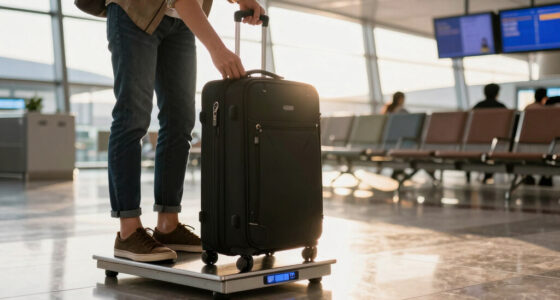
Tip: Always weigh your bag empty before packing. A digital luggage scale is cheap and saves headaches at check-in.
Understanding weight limits is crucial because exceeding them can lead to unexpected costs and inconvenience. If your bag is too heavy, you might have to remove items at the airport, which can be stressful and time-consuming. Conversely, choosing a lightweight bag allows you to maximize your packing capacity within airline restrictions, ensuring you can bring everything you need without surprises.
lightweight hard shell carry-on suitcase
As an affiliate, we earn on qualifying purchases.
As an affiliate, we earn on qualifying purchases.
Choosing Between Hard and Soft Shells — Which Is Better?
Hard-shell suitcases like Rimowa or Samsonite’s Cosmolite protect your gear from bumps and crushes. Soft-shells like Travelpro or Briggs & Rileys are more flexible, easier to zip open in tight spaces, and often expandable.
Imagine tossing your bag into a crowded baggage cart—hard shells don’t bend or tear, but they can crack if dropped. Soft shells, with durable nylon or polyester, flex a bit and often come with extra pockets for quick access.
According to BagsOK, your choice hinges on what you pack. If you’re carrying fragile electronics or valuables, go hard-shell. For general travel, soft-shell offers more flexibility and often lighter weight.
But consider the tradeoffs: hard-shells tend to be more durable against impacts but can be heavier and less forgiving if you overpack or need to squeeze into tight storage spaces. Soft-shells are lighter and more adaptable but might not offer the same level of protection for delicate items. Your choice should reflect your packing habits and what you prioritize—protection or flexibility.
As an affiliate, we earn on qualifying purchases.
How to Pick the Most Maneuverable Bag for Airports
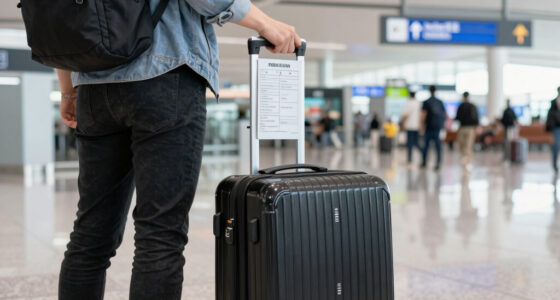
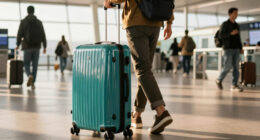
Spinner wheels—those 360-degree rotating wheels—make airport navigation a breeze. Two-wheeled bags are more stable but harder to steer. For international flights, where airports can be sprawling, spinners save energy and frustration.
Look for a bag with high-quality, smooth-rolling wheels and an ergonomic handle. Test it in-store if possible—push and pull to see how it glides. A bag with a sturdy, telescoping handle that locks securely avoids wobbling on uneven surfaces.
Pro tip: lighter bags with spinner wheels will be easier to maneuver all day without wearing you out.
Choose a bag with good maneuverability because it directly impacts your travel experience. A well-designed spinner wheel system reduces the physical effort needed to navigate crowded airports, long hallways, or uneven surfaces. This can prevent fatigue, making your journey less stressful and more enjoyable. Also, consider the size and weight of the handle and wheels—heavier components might add to the overall weight, so find a balance that suits your strength and travel style.
expandable carry-on luggage for international flights
As an affiliate, we earn on qualifying purchases.
As an affiliate, we earn on qualifying purchases.
Top Security Features to Keep Your Gear Safe
Look for TSA-approved locks—these can be opened by security without damage. Zipper quality matters too; heavy-duty, lockable zippers deter theft. Some bags come with anti-theft features like lockable compartments or RFID-blocking pockets.
Consider a bag with a built-in lock or a dedicated TSA lock slot. Remember, a sturdy, well-stitched zipper can withstand the rigors of airport handling better than cheap plastic ones.
Example: A traveler used a bag with TSA locks and a cut-resistant cable to secure their laptop, avoiding theft even in crowded terminals.
Security features are essential because they directly protect your valuables from theft and tampering. TSA-approved locks are particularly useful—they allow security personnel to inspect your bag without damaging the lock, saving you from having to replace it. Heavy-duty zippers and lockable compartments further deter theft by making unauthorized access more difficult. Anti-theft features like RFID-blocking pockets prevent electronic pickpocketing of your cards and passports, adding an extra layer of security. Investing in these features means peace of mind during your journey, especially in busy airports or unfamiliar environments.
Organizational Features That Save Your Sanity
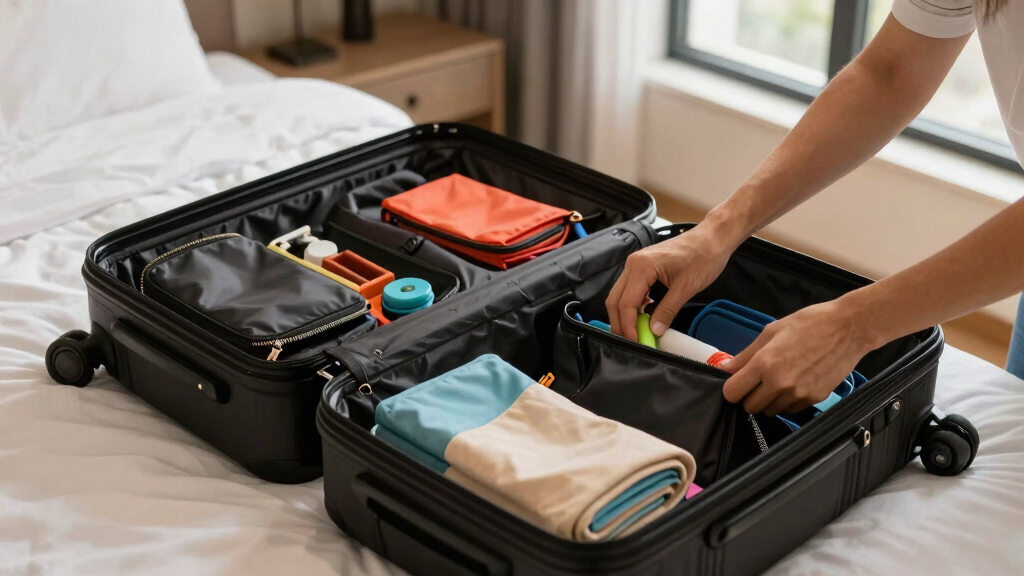
Multiple compartments, TSA-friendly laptop sleeves, and easy-access pockets make packing and security checks smoother. A good carry-on has dedicated space for chargers, toiletries, and clothes.
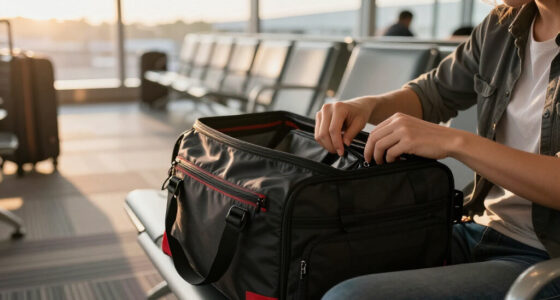
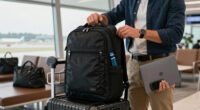
For example, a traveler with a bag that has a front organizer pocket saved time during security. Instead of digging through a jumble of clothes, they quickly accessed their laptop and documents.
Tip: look for bags with compression straps and interior dividers. They keep everything in place and maximize space.
Having well-designed organizational features is more than convenience; it can significantly reduce stress during security checks and packing. Multiple compartments prevent your belongings from mixing and getting lost, making it easier to find what you need quickly. TSA-friendly laptop sleeves allow you to remove electronics easily, speeding up security screening. Interior dividers and compression straps help keep your clothes and gear compact and organized, preventing wrinkles and shifting. This thoughtful design not only saves you time but also protects your belongings from damage, making your travel experience smoother and more efficient.
Should You Expand Your Carry-On? When It’s Worth It
Expandable carry-ons have zippers that add 2-4 inches of extra space. If you often pick up souvenirs or pack heavy, they’re worth considering. But beware—expanding can sometimes push your bag over airline size limits.
Use expandability only when you anticipate needing extra room. For instance, a traveler returning from a shopping spree in Europe found their expandable bag perfect for bulky purchases.
Tip: pack light initially, and expand only if you need more space. Always measure after expansion to stay within limits.
Expanding your bag can be a double-edged sword. While it’s convenient for those last-minute purchases or heavy packing days, it also introduces the risk of exceeding airline size restrictions, which can lead to additional fees or the inconvenience of checking your bag. Therefore, only expand when necessary, and always measure after expansion to ensure compliance. This approach helps maintain a balance between flexibility and adherence to airline policies, preventing surprises at the gate.
Design and Style — Should It Matter?
While it’s tempting to choose a flashy color or pattern, practicality often wins. Bright colors or distinctive patterns help you spot your luggage on crowded carousels. A bag that looks good can also boost your confidence at the airport.
For example, a traveler chose a neon yellow bag, making it impossible to mix up with others. Style doesn’t have to mean sacrificing durability—many brands blend both.
Pro tip: pick a color that stands out but also matches your travel gear for a cohesive look.
Price, Warranty, and Repair — Don’t Skimp Here
Quality carry-ons cost between $150 and $400 but last longer. Look for brands with good warranties—some offer repairs or replacements if your bag shows defects. Cheaper bags often wear out faster and may crack or tear after a few trips.
For example, a traveler’s $200 suitcase with a 10-year warranty saved them money after a rough flight. They simply sent it in for repairs instead of replacing it.
Tip: check reviews for real durability stories and warranty terms before buying.
Investing in a quality bag with a solid warranty can save you money and hassle in the long run. Cheaper options might seem appealing initially, but they often lack durability and repair options, leading to frequent replacements. A well-made bag with a reputable warranty ensures that if something goes wrong, you have support, and your investment pays off over many trips. This emphasis on durability and service reduces the risk of sudden breakdowns, saving you time, money, and frustration during your travels.
Frequently Asked Questions
What is the best size for an international carry-on?
Most airlines restrict carry-on dimensions to about 22 x 14 x 9 inches. Always check your specific airline’s rules to avoid surprises at the gate.Are hard-shell or soft-shell suitcases better for international travel?
Hard-shells protect fragile items better, while soft-shells are more flexible, lighter, and easier to pack into tight spaces. Choose based on your packing needs and the fragility of your gear.How can I ensure my carry-on complies with airline regulations?
Always review the airline’s official baggage policies online before purchasing. Measure your bag with a tape and weigh it to confirm it fits within limits.Should I get a carry-on with expandability?
Expandable bags are great if you often bring back souvenirs or need extra space. Just measure after expansion to stay within airline size limits.What features are most important for international travel?
Prioritize security (TSA locks), organization (multiple compartments), lightweight design, and compliance with airline size and weight restrictions.Conclusion
Your carry-on isn’t just a bag—it’s your travel companion. Pick one that balances size, weight, durability, and features, and you’ll breeze through airports and security with confidence. Invest wisely, and your bag will serve you well through countless international journeys.Halloween Picks
halloween
As an affiliate, we earn on qualifying purchases.