
TL;DR

Get travel and outdoor gear delivered free — and shop member deals
- Fast, free delivery on millions of items
- Access to Prime Big Deal Days deals on October 6–7
- Prime Video, Amazon Music and more included
Tamper-proof locks greatly reduce the risk of theft, especially when combined with other security measures. Choosing the right lock—like TSA-approved or smart locks—and following best practices can protect your luggage during travel while complying with airline rules.
Imagine arriving at your destination, only to find your luggage has been tampered with. That sinking feeling when your bag’s zippers are forced or locks are broken can ruin your trip before it even begins. But you don’t have to accept that risk. Using the right tamper-proof locks, combined with smart security habits, can make a real difference.
This guide walks you through choosing the best locks, applying proper locking techniques, and understanding recent innovations that boost luggage security. Whether you’re a frequent flyer or planning your first big trip, knowing these practices keeps your belongings safe and your mind at ease.
Choose high-quality, TSA-approved or smart locks suited for your travel style.
Layer security by locking all zippers and using multiple locks when possible.
Regularly inspect your luggage and locks for signs of tampering or damage.
Leverage recent tech like Bluetooth or biometric locks for added peace of mind.
Combine physical security with luggage trackers and tamper-evident seals for best protection.
Pick the Perfect Lock: Which Type Keeps Your Bags Safer?
Choosing the right lock is the foundation of secure luggage. Combination locks are popular—they require a code, so no risk of losing keys. Keyed locks are straightforward but risk losing your key. Smart locks, which connect via Bluetooth or Wi-Fi, offer remote control and alerts. And TSA-approved locks are a must if traveling through U.S. airports—they open for security without damage.
Understanding the differences helps you weigh convenience against security. For example, combination locks eliminate the worry of losing keys but rely on you remembering the code—forget it, and access becomes difficult. Smart locks provide advanced features like remote monitoring, but they depend on battery life and app security, which can be vulnerabilities if not managed properly. TSA-approved locks are essential for international travel in the U.S. because they facilitate inspection without damage, but they may be less secure against determined thieves if not of high quality. Choosing the right lock involves balancing these factors based on your travel patterns and security priorities.
Tip: Always check airline rules before locking your bag—some restrict certain lock types or require TSA approval to avoid damage during inspections.
As an affiliate, we earn on qualifying purchases.
How to Lock Your Luggage Like a Pro in 3 Easy Steps
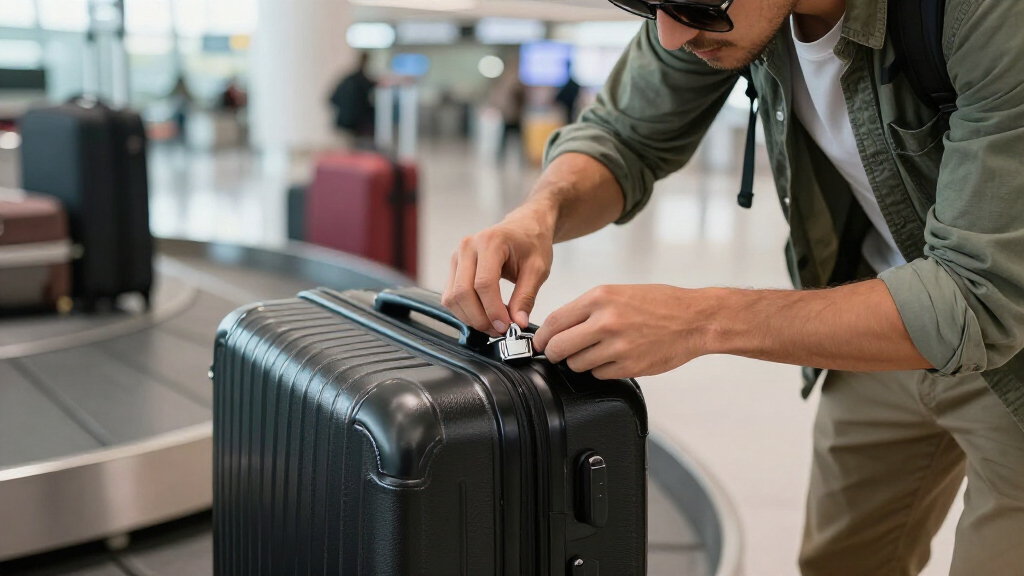
- Secure all zippers, compartments, and openings with your chosen tamper-proof lock, ensuring each lock is properly engaged. Proper engagement is key—partially latched locks can be manipulated or forced open, so double-check that each lock clicks into place and remains secure.
- Use multiple locks on different zippers or sections for layered security, especially on large suitcases. This layered approach complicates efforts by thieves, who often look for the easiest point of access. By securing multiple entry points, you increase the effort required to tamper with your luggage, which can deter theft altogether.
- Double-check that locks are fully engaged and test that they can’t be easily forced open. This step is crucial because many travelers assume their locks are secure without verifying. Applying gentle pressure or attempting to open the lock can reveal vulnerabilities, allowing you to address them before travel.
Imagine locking your checked bag before a long flight—double-locking zippers on the main compartment and securing smaller pockets keeps everything in place. For added peace of mind, consider luggage with built-in tamper alarms or seals, which can alert you if someone attempts to open your bag.
Pro tip: Avoid overloading locks or forcing zippers—excess tension can damage the lock or cause accidental unlocking. Proper technique minimizes damage and ensures your security measures function as intended.
As an affiliate, we earn on qualifying purchases.
Compare the Best Lock Types for Travel Security
| Lock Type | Pros | Cons | Best For |
|---|---|---|---|
| Combination Lock | No keys needed, easy to reset | Remembering the code, potential for code cracking if not secure | Frequent travelers, those who dislike keys |
| Keyed Lock | Simplicity, quick to open | Risk of losing keys, harder to change or rekey | Infrequent travelers, older luggage |
| Smart Lock | Remote access, alerts, no physical keys | Battery dependence, app security concerns | Tech-savvy travelers, frequent international flyers |
| TSA-Approved Lock | Openable by TSA, no damage | Potential vulnerability if not of high quality | International and U.S. travelers |
Choosing the right lock depends on your travel needs and security concerns. For instance, a smart lock offers convenience and real-time alerts, but relies on your device’s security and battery life. TSA-approved locks are essential for international travel in the U.S., as they allow TSA agents to open and inspect your luggage without damage. However, if the lock is of poor quality, it might be more vulnerable to tampering. Understanding these tradeoffs helps you select a lock that balances convenience, security, and compatibility with your travel itinerary.
As an affiliate, we earn on qualifying purchases.
Latest Security Tech That Keeps Thieves Guessing
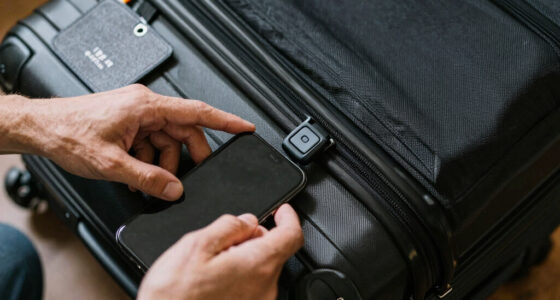
Security isn’t static. Recent developments include Bluetooth-enabled smart locks that send real-time alerts if tampering is detected. These locks provide a proactive approach—if someone fiddles with your luggage, your phone can notify you instantly, allowing immediate action or intervention. Some locks now incorporate biometric features—like fingerprint scans—that offer quick, secure access without the need for codes or keys, reducing the risk of lost or stolen combinations. Others have tamper-evident seals or alarms that trigger if someone tries to force open your luggage, acting as a visual deterrent and alert system.
For example, a traveler in Asia used a Bluetooth lock that notified their phone when someone fiddled with their bag in a crowded train station. The lock’s alarm alerted them instantly, deterring theft and enabling quick response. These innovations reflect a shift toward smarter, more responsive security solutions that adapt to modern travel threats.
Note: While these innovations boost security, they depend on proper app security and device protection. Always keep your app updated, use strong passwords, and avoid sharing access credentials to prevent potential hacking or unauthorized access.
As an affiliate, we earn on qualifying purchases.
What Really Works Against Thieves and How to Avoid Common Pitfalls
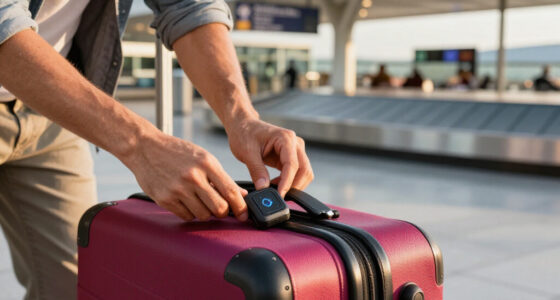
Tamper-proof locks are a good start, but no lock can stop a determined thief armed with lockpicks or force. Combining physical locks with other security measures makes a real difference. For example, using a GPS tracker inside your luggage can help locate it if stolen, providing a chance for recovery. Tamper-evident seals or security stickers act as visual alarms—if they are broken, you immediately know someone has tampered with your bag. These measures, when used together, create a layered security system that is much harder for thieves to bypass.
However, relying solely on a lock creates a false sense of security. Thieves are often equipped with tools or techniques to bypass physical security. Therefore, integrating multiple measures—such as tracking devices, security seals, and vigilant inspection—substantially increases your chances of preventing theft or detecting tampering early. Remember, the goal is to make your luggage less attractive or more difficult to access, thereby discouraging theft altogether.
Warning: Never rely solely on a lock. Always double-check your locks, stay vigilant, and report any tampering immediately. Combining physical security with technological and behavioral measures offers the best protection against theft.
Frequently Asked Questions
Are tamper-proof locks enough to prevent theft?
They significantly reduce theft risk, especially when combined with other measures like luggage trackers and tamper seals. But no lock can guarantee complete safety—thieves with tools or force can bypass them. Understanding their limitations helps you plan better; for example, combining physical locks with tracking devices makes theft much less likely and easier to respond to if it occurs.
Can TSA open my lock without damaging my luggage?
Yes, TSA-approved locks are designed for this—they can be opened with master keys, preventing damage during inspections. Using non-approved locks risks breakage or forced entry, which can damage your luggage and compromise security. Knowing this, travelers should prioritize TSA-approved locks for international trips to ensure both compliance and security integrity.
What is the best lock for international travel?
Typically, TSA-approved combination or smart locks are best—they balance security with the need for TSA access across borders. These locks allow TSA agents to open and inspect your luggage without damage, reducing the risk of theft or damage during security checks. Choosing a high-quality lock in this category ensures your luggage remains secure while complying with international security protocols.
Are smart locks secure?
They offer convenience and remote alerts, but depend on app security and Bluetooth/Wi-Fi protections. If your device or app security is weak, it could pose risks, such as hacking or unauthorized access. To mitigate this, always keep your app updated, use strong, unique passwords, and enable two-factor authentication when available. These precautions help ensure your smart lock remains a reliable security measure.
How can I tell if my luggage has been tampered with?
Use tamper-evident seals, security stickers, or alarms. Regularly inspect your locks and luggage for signs of forced entry or damage. If you notice any anomalies, report them immediately to authorities. Implementing these checks helps you detect tampering early, increasing the chances of recovery or preventing further theft.
Conclusion
Securing your luggage is about smarter choices, not just stronger locks. Combining the right lock type with good habits keeps your belongings safe without added hassle. Remember—no lock is unbreakable, but layering security makes your bag a less tempting target.
Next time you pack, think beyond just locking. Use a mix of tech, vigilance, and smart habits—and travel with confidence.
Evergreen bestsellers Picks
bestsellers
As an affiliate, we earn on qualifying purchases.