TL;DR

Get travel and outdoor gear delivered free with Prime
- Fast, free delivery on millions of items
- Prime Video, Amazon Music and more included
- Member-only deals all year
Luggage trackers can cut baggage recovery time by up to 80% when used properly. Choose the right device, understand limitations, and pair with traditional tags for maximum security.
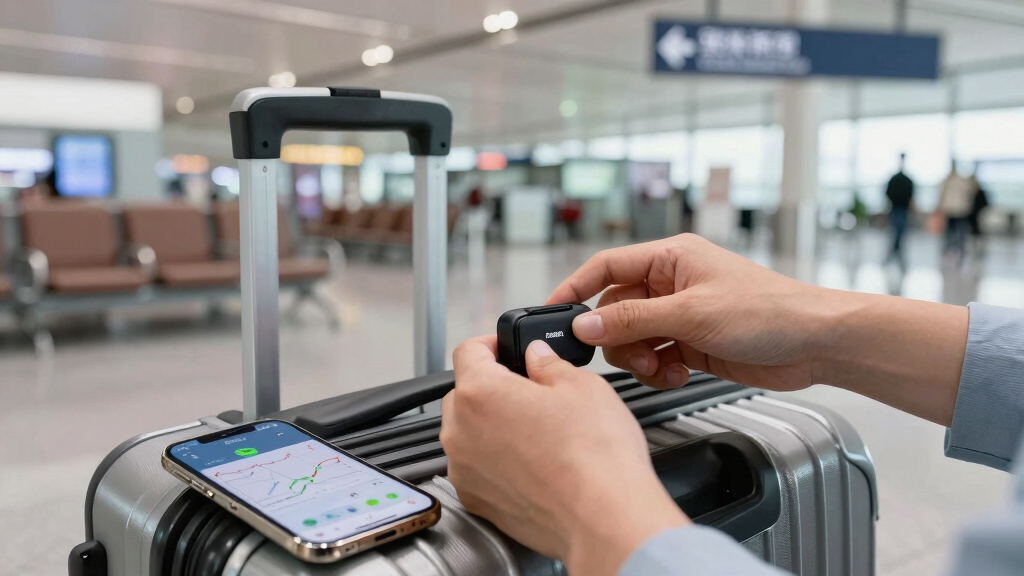
Imagine arriving at your destination, only to find your checked bag missing. Frustrating, right? Luggage trackers turn that nightmare into a manageable hiccup. They provide real-time location updates, giving you peace of mind and cutting down recovery time.
If you’re serious about securing your bags, understanding how to choose, set up, and use these devices will boost your confidence during every trip. This guide covers everything you need to know—practical tips, recent tech upgrades, and common pitfalls to avoid.
Select a tracker compatible with your trip—GPS for global coverage, Bluetooth for short-range security.
Place the device inside a secure, hidden spot—not on exterior tags—to prevent theft or loss.
Test your tracker before travel and share access with trusted companions for peace of mind.
Understand your device’s limitations—GPS may struggle indoors, Bluetooth has short range.
Keep privacy settings tight—use strong passwords and disable tracking when not needed.
How to Use Luggage Trackers Effectively for Secure Travel
A missing checked bag does not have to become a travel disaster. The right tracker, securely placed and actively monitored, can turn uncertainty into useful location evidence—while traditional tags, locks and airline procedures provide the essential backup.
Match the tracker to your travel style
Start with the journey, not the price tag. Frequent international flyers need different coverage from travelers who mainly want a nearby-bag alert in airports, trains or hotels.
Bluetooth
Affordable, compact and useful for proximity alerts. Beyond direct range, location may depend on nearby compatible devices participating in a finding network.
Best: close-range awarenessGPS + Cellular
Better suited to long-distance location updates where supported. Check roaming coverage, subscription costs and destination network compatibility.
Best: multi-leg travelFinding Network
Crowd-assisted trackers can be effective in busy travel hubs. Performance depends on network density, platform compatibility and nearby devices.
Best: major airportsKnow what you are buying
No single tracker wins every category. Balance distance, battery, recurring costs and the environments where you expect to use it.
| Feature | Bluetooth tracker | GPS / cellular tracker | Decision signal |
|---|---|---|---|
| Typical range | ~ Up to 100 meters directly | ✓ Long-distance where covered | Choose GPS for independent remote updates |
| Indoor performance | ✓ Useful when nearby | ~ Signal may weaken indoors | Expect gaps in cargo areas and terminals |
| Battery life | ~ Days to months | ✓ Some models reach months | Check real update-frequency estimates |
| Typical cost | ✓ $20–$50 | ~ $50–$200 plus possible plan | Include subscriptions in lifetime cost |
| Global readiness | ~ Network-dependent | ~ Carrier and country-dependent | Verify every destination before purchase |
| Traditional tag replacement | ✗ No | ✗ No | Always retain visible and internal ID |
* Specifications and service availability vary by product, network, airline and destination.
Build a reliable tracking chain
The device is only one link. Registration, hidden placement, tested alerts and shared access determine whether its location data is useful when pressure is high.
Use the signal before it becomes an emergency
Check at meaningful transition points: check-in, takeoff, arrival, baggage claim and hotel transfer. Constant refreshing drains batteries and rarely adds useful information.
Trip-ready checklist
- ✓Confirm the tracker appears in the app before leaving home.
- ✓Enable movement, separation and arrival notifications.
- ✓Place it inside the bag—not on an exposed handle or tag.
- ✓Photograph the bag and record the airline baggage receipt.
- ✓Add visible and internal identification without publishing sensitive details.
- ✓Share access with one trusted person for complex trips.
Relative travel utility
Tracker + identification tag + physical security is the dependable combination. A location marker can help identify where a bag was last detected, but it cannot prevent mishandling, force an airline recovery or replace a lock and ownership information.
Avoid false confidence
Treat location data as evidence—not a guarantee. Signals can be delayed, unavailable or imprecise depending on buildings, aircraft holds, battery state and surrounding network conditions.
Signal gaps happen
GPS needs favorable satellite visibility. Dense buildings, airport interiors and cargo areas can reduce accuracy or leave only a last-known position.
Rule: timestamp every locationBluetooth is local
Direct Bluetooth usually works only at short range. Crowd-assisted location depends on nearby compatible devices and network participation.
Rule: do not promise live trackingAirlines control recovery
A tracker can support a report, but passengers should not enter restricted areas or attempt recovery without airline or airport staff.
Rule: share data with officialsUse smarter technology safely
Newer trackers offer sharper positioning, longer battery life and better collaboration. Those benefits are strongest when app access and location history are tightly controlled.
If your bag does not arrive
Protect the map to your belongings. Use a unique password, enable two-factor authentication, review app permissions, install security updates and disable unnecessary tracking or sharing when the trip is over.
How to Pick the Perfect Luggage Tracker for Your Travel Style
Choosing the right luggage tracker is your first step. It’s not just about price—think compatibility, range, and durability. For instance, if you often fly internationally, a GPS tracker with global coverage makes more sense than a Bluetooth-only device.
Look for trackers that support your smartphone’s OS—iOS or Android. Check battery life: some last only a few days, while others go several months on a single charge. Consider extra features like alerts for unexpected movement or separation notifications. These details matter when your luggage is in transit across continents.
| Feature | Bluetooth Trackers | GPS Trackers |
|---|---|---|
| Range | Up to 100 meters | Global via cellular networks |
| Battery Life | Few days to a month | Several months |
| Cost | $20–$50 | $50–$200 |
For example, a Bluetooth tracker like Tile Mate is affordable and great for close-range alerts inside airports or hotels. But if you want to track checked luggage across the world, a GPS device like Trakdot or Apple AirTag with cellular support is more reliable.
As an affiliate, we earn on qualifying purchases.
Where and How to Attach Your Tracker So It’s Always Safe
Secure placement makes all the difference. Attach your tracker inside a zippered pocket or compartment where it’s unlikely to fall out. For checked bags, tuck it into the lining or an interior pocket—away from the luggage’s zippers or outside tags.
Registration is key. Sync the device with its app, set up alerts, and test the connection before your trip. For example, during a recent trip, I placed my GPS tracker inside my checked bag’s main compartment. It stayed hidden but connected the entire flight, showing me its location at every stop.
Sharing access with a trusted travel partner can also be a lifesaver. Many apps allow multiple users to monitor the same device—ideal for family trips or group travel.
Proper placement and initial setup are critical because they directly impact the reliability of real-time tracking. If the device is loosely attached or placed in an easily accessible spot, it could fall out, be tampered with, or lose connection, rendering the tracker ineffective when you most need it. Ensuring it’s securely hidden and correctly configured means you get consistent updates, which is vital during unpredictable travel situations.
As an affiliate, we earn on qualifying purchases.
Understanding What Your Tracker Can and Can’t Do
Luggage trackers are powerful tools, but they have limits. GPS models work best outdoors with clear sky views—inside airports or hotels, signals can weaken. Bluetooth trackers are even more limited, with ranges typically under 100 meters, making them less useful once your bag’s beyond that zone.
For example, a traveler using a Bluetooth tracker at the airport found it disconnected once her bag was stored in the cargo hold. GPS trackers, however, showed her the bag’s last known location outside the terminal.
Understanding these limitations is crucial because overestimating what a tracker can do may lead to false confidence. For instance, relying solely on a Bluetooth device for long-distance tracking could result in missing the actual location of your luggage. Always pair these devices with traditional security methods like tags and locks. Recognizing their constraints helps you set realistic expectations, ensuring you don’t become complacent and leave your luggage vulnerable. It’s about balancing technology with common sense to maximize your security.
As an affiliate, we earn on qualifying purchases.
How To Make The Most of Your Tracker During Your Trip
- Check the tracker’s battery and connection before leaving home. A quick test saves stress later.
- Enable notifications for movement or location changes. Many apps alert you instantly if your luggage moves unexpectedly.
- Share access with trusted companions or family members—especially useful during multi-leg or group trips.
- Regularly check the app during layovers or hotel stays. This gives you real-time peace of mind.
- Set alerts for when your luggage arrives at certain locations, like baggage claim or hotel room.
For instance, during a recent trip, I received a notification when my checked bag moved from the baggage carousel—saving me from waiting in vain. The app showed the exact location, helping me report it quickly.
Using your tracker actively throughout your trip enhances security by providing timely updates, allowing you to respond quickly to any unexpected movements. This proactive approach can prevent theft, loss, or delays from escalating into major issues. Remember, the key is consistent monitoring and responding promptly—don’t wait until you’ve arrived at your destination to check your luggage’s status.
As an affiliate, we earn on qualifying purchases.
Keeping Your Privacy Safe While Using Luggage Trackers
Security matters. Use strong passwords and enable two-factor authentication on your tracker’s app. This keeps your location data away from prying eyes.
Be aware of how your data is shared. Reputable trackers encrypt your info and don’t sell it to third parties. When not traveling, disable tracking to conserve battery and protect your privacy.
For example, I turn off my GPS tracker’s app when I return home, preventing any unnecessary data sharing or tracking when I don’t need it.
Maintaining privacy isn’t just about protecting your current trip; it’s about safeguarding your personal data long-term. Using strong, unique passwords and enabling two-factor authentication significantly reduces the risk of hacking or unauthorized access. Additionally, regularly reviewing app permissions and privacy settings ensures that only trusted entities have access to your location data. Disabling the tracker when it’s not needed minimizes exposure to potential breaches. These practices collectively help you enjoy the benefits of tracking without compromising your privacy or security.
What’s New? The Latest in Luggage Tracker Tech
Recent advancements boost your chances of finding lost luggage fast. Many models now feature enhanced GPS accuracy—some claim location precision within 2-3 meters, even in crowded city centers or indoors.
Battery innovations mean some trackers last up to six months on a single charge, reducing the hassle of frequent recharging. Multi-device support allows family members to share access effortlessly, streamlining group security.
Anti-theft features like tamper alerts or loud alarms add another layer of protection. Plus, integration with travel apps means real-time updates during transit, reducing anxiety about delays or mishandling.
For example, a GPS tracker with cellular support alerted a traveler that her bag was opened in transit, prompting immediate action and preventing theft.
Staying updated with the latest technology ensures you can choose devices that offer the best accuracy, longer battery life, and enhanced security features, making your travel experience smoother and more secure. Investing in these innovations means fewer worries and more confidence in your luggage’s safety during complex journeys.
Frequently Asked Questions
Are luggage trackers worth the investment?
For many travelers, especially those with expensive or sentimental bags, trackers provide invaluable peace of mind. They can speed up recovery times by up to 80%, making them a smart addition for frequent travelers or those worried about lost luggage.
How accurate are GPS luggage trackers?
GPS trackers are generally precise within a few meters outdoors, even in busy urban areas. Indoors, accuracy can decrease, but recent models now often include enhanced technology to improve indoor signals.
Can luggage trackers be hacked?
While no device is completely immune, reputable trackers use encryption and security protocols to protect your data. Following best practices—like strong passwords—further reduces risks.
Do luggage trackers work internationally?
Most GPS trackers have global coverage, but always verify compatibility with your destination countries’ networks and check if roaming or subscriptions are required.
How long do the batteries last?
Battery life varies—some last only a few days, others up to six months. Choose a model based on your trip length and rechargeability preferences.
Conclusion
Using luggage trackers effectively means more than just buying a device. It’s about strategic placement, understanding their strengths and limits, and staying vigilant. When combined with traditional security measures, trackers turn your luggage into a well-guarded asset.
Next time you pack, remember: a small device can make a big difference. Secure your bags, reduce travel stress, and arrive at your destination ready to enjoy your trip—knowing your luggage is in safe hands.
Halloween Picks
halloween
As an affiliate, we earn on qualifying purchases.