TL;DR

Get travel and outdoor gear delivered free with Prime
- Fast, free delivery on millions of items
- Prime Video, Amazon Music and more included
- Member-only deals all year
The right personal-item bag matches airline size rules, fits your packing style, and offers durability and organization. Recent designs add tech and eco-friendly features, but always verify airline policies first.
Ever had your travel plans thrown off because your bag didn’t fit under the seat? The right personal-item bag isn’t just about style—it’s about fitting your essentials within strict airline limits, while staying durable and organized. Choosing the perfect one can make your trip seamless, from boarding to landing.
In this guide, you’ll learn what size, features, and materials work best for your travel style. We’ll also explore recent innovations and practical tips so you can pick a bag that works for you, not against you.
Always measure your bag at home and compare it with your airline’s size restrictions before packing.
Opt for bags with multiple compartments and quick-access pockets to stay organized on the go.
Smart features like charging ports are convenient but add weight—balance these with your travel style.
Eco-friendly fabrics and durable materials like nylon or recycled polyester often provide the best long-term value.
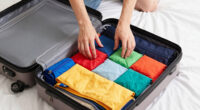
Use packing cubes and rolling techniques to maximize space, especially in smaller personal-item bags.
Choosing the Right Personal-Item Bag for Your Travel Needs
The best under-seat bag is not simply the most stylish or spacious. It matches your airline’s rules, supports the way you pack, and keeps essentials organized without wasting your weight allowance.
A useful benchmark—not a universal airline guarantee.
Check the packed bag, including bulging pockets, wheels, and handles.
Look for water resistance, reinforced stitching, and robust zippers.
Start with the sizer, not the style.
Airline limits vary, especially on budget and international routes. A compact 17 × 12 × 7-inch backpack leaves useful margin; a rigid 19 × 15 × 9-inch tote may be rejected or gate-checked.
The under-seat envelope
Use 18 × 14 × 8 inches as a planning reference, then verify your specific carrier and fare.
Check the packed exterior
Include full pockets, straps, handles, feet, and wheels—not just the manufacturer’s empty-shell dimensions.
Read the airline policy
Rules can differ by carrier, aircraft, route, and ticket type. Recheck before every departure.
Protect your allowance
A lightweight shell preserves more capacity for what matters and reduces carrying fatigue.
Choose functions that earn their weight.
Good organization shortens security checks and keeps travel documents accessible. Tech extras can help frequent travelers, but every port, tracker, lock, and cable adds cost, weight, or complexity.
Multiple compartments
Separate electronics, toiletries, snacks, and documents so the main cavity stays usable.
External passport pocket
A secure quick-access zone prevents frantic unpacking at check-in and boarding.
Padded laptop sleeve
Choose a suspended sleeve that fits your device without stealing too much main capacity.
Lockable + RFID-ready
Robust zipper pulls and a protected document pocket add reassurance in crowded terminals.
Padded straps + trolley sleeve
Comfortable carry points matter more than decorative hardware during long connections.
Charging port or tracker
Useful when regularly needed; otherwise, a separate power bank or tracker may be simpler.
Balance size, shell weight, and capacity.
A larger stated capacity is not automatically better. Compact dimensions provide more confidence on stricter routes, while a heavier shell consumes part of any enforced weight allowance.
| Model | Size | Weight | Capacity | Price range | Best for | 18 × 14 × 8 ref. |
|---|---|---|---|---|---|---|
| Travelpro Maxlite 5 | 17.5 × 13 × 8 in | 2.3 lb | 20 L | $80–$120 | Light travelers | ✓ Within |
| Samsonite Xenon 3.0 | 17.7 × 12.6 × 7.8 in | 2.2 lb | 18 L | $100–$150 | Business travel | ✓ Within |
| Patagonia Arbor Grande | 20 × 14 × 8 in | 3.5 lb | 25 L | $130–$180 | Casual multi-day trips | ~ Length exceeds |
Check before buying: Model specifications, prices, and airline acceptance can change. Dimensions shown are comparison data supplied for this guide, not an airline approval.
Smart, sustainable, or classic?
Your ideal bag reflects how you travel. Prioritize convenience if you live on devices, material choices if sustainability matters most, or low complexity if you want a dependable all-rounder.
Reliable simplicity
Nylon backpacks and structured totes offer familiar organization, broad styling, and fewer components that can fail.
Connected convenience
Charging access, GPS tracking, or digital locks can support frequent travel and device-heavy routines.
Lower-impact materials
Recycled polyester and responsibly selected fabrics can align utility with environmental priorities.
Turn limited space into an organized system.
A 20-liter bag becomes far more useful when every zone has a purpose. Compress soft items, isolate cables, preserve access to documents, and keep the packed shape within the airline limit.
Lay out
Remove duplicates and “just in case” clutter.
Roll + cube
Compress clothing and separate categories.
Balance
Place heavier items low and close to the back.
Stage access
Keep documents and liquids easy to reach.
Measure again
Confirm final dimensions and total weight.
Four warning signs hiding behind good looks.
Inspect the parts that absorb real travel stress. A beautiful bag becomes expensive quickly when a zipper fails, a seam tears, or an overfilled pocket breaks the size limit.
Check abrasion points, base panels, stitching density, and water resistance.
Open every compartment under light tension and inspect the track alignment.
A bag exactly at the limit when empty may exceed it once pockets are filled.
Decorative hardware and tech can consume allowance without adding capacity.
Fit first. Function second. Style third.
Measure at home and compare the packed bag with the operating airline’s current policy.
Build an access system with compartments for documents, devices, liquids, and snacks.
Audit smart features so convenience justifies the added weight and cost.
Favor durable materials such as quality nylon or recycled polyester with reinforced construction.
Pack strategically with cubes, rolled clothing, double-duty items, and a final weigh-in.
How to Pick a Personal-Item Bag That Fits Airline Rules
The first step is understanding airline size restrictions. Most airlines allow a personal item measuring about 18 x 14 x 8 inches, roughly the size of a small backpack or tote. But some are stricter, especially budget carriers. Always check your airline’s website before packing.
For example, a backpack measuring 17 x 12 x 7 inches easily fits under the seat on a domestic flight. But a tote at 19 x 15 x 9 inches might be too big and risk being gate-checked.
To stay within limits, measure your bag at home and compare it with airline policies. Remember, the weight matters too—most airlines cap personal-item weight at around 15-20 pounds.
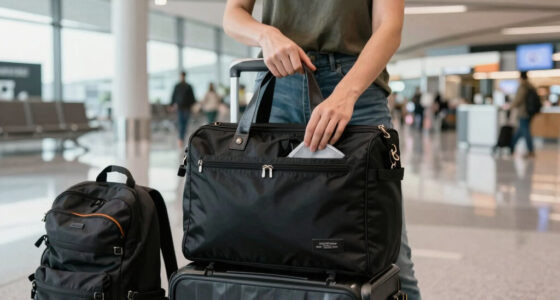
personal item travel bag under 18x14x8 inches
As an affiliate, we earn on qualifying purchases.
As an affiliate, we earn on qualifying purchases.
Key Features That Make Your Personal-Item Bag Smarter
Look for bags with multiple compartments. They help organize your electronics, documents, snacks, and toiletries. Quick-access pockets are a lifesaver when you need your passport or boarding pass in a hurry.
For instance, a backpack with a dedicated laptop sleeve, RFID-blocking pocket, and external water bottle holder makes for a tidy, secure carry-on.
Smart features like built-in charging ports or GPS tracking add convenience, especially if you travel often or worry about loss. But weigh these extras against added weight and cost.
Choosing bags with these features matters because they directly impact your travel experience. Multiple compartments prevent clutter and make it easier to find items quickly, saving time and reducing stress during security checks or when navigating busy airports. Smart features like charging ports or GPS tracking can significantly improve convenience and security—imagine never worrying about your devices dying mid-flight or losing your bag in a crowded terminal. However, these features often come with tradeoffs: increased weight, higher cost, and potential complexity—so consider how often you’ll use them. Prioritize features that streamline your journey and fit your travel habits, ensuring your bag enhances rather than complicates your experience.
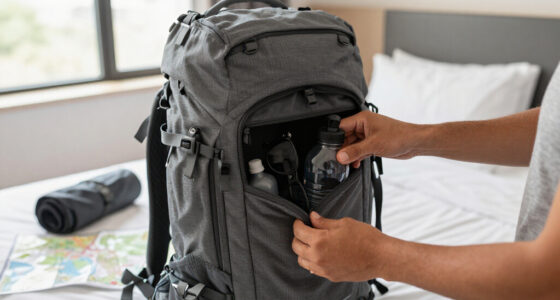
carry-on under seat bag with multiple compartments
As an affiliate, we earn on qualifying purchases.
As an affiliate, we earn on qualifying purchases.
Compare Popular Personal-Item Bags in a Clear Table
| Model | Size (inches) | Weight (lbs) | Capacity (L) | Price Range | Best For |
|---|---|---|---|---|---|
| Travelpro Maxlite 5 | 17.5 x 13 x 8 | 2.3 | 20 | $80-$120 | Light travelers, frequent flyers |
| Samsonite Xenon 3.0 | 17.7 x 12.6 x 7.8 | 2.2 | 18 | $100-$150 | Business travelers |
| Patagonia Arbor Grande | 20 x 14 x 8 | 3.5 | 25 | $130-$180 | Casual or multi-day trips |
This table helps compare size, weight, capacity, and price so you can match your needs—whether you prioritize weight for quick security checks or larger capacity for longer trips.
Understanding these differences allows you to select a bag that truly complements your travel style. For example, if you frequently fly budget airlines with strict size limits, opting for a lighter, more compact model could reduce the risk of gate-checking. Conversely, if you’re planning an extended trip, a slightly larger capacity might justify a heavier bag that still fits within airline policies. The key is balancing size, weight, and functionality to enhance your overall travel experience.
water-resistant nylon travel bag with charging port
As an affiliate, we earn on qualifying purchases.
As an affiliate, we earn on qualifying purchases.
Smart, Eco-Friendly, or Classic: Which Bag Fits Your Style?
Smart bags with built-in chargers or GPS tracking appeal if you hate fumbling for outlets or worry about losing your bag. Eco-friendly options, made from recycled materials, suit travelers committed to sustainability.
Choosing a bag isn’t just about aesthetics; it reflects your values and how you prioritize convenience versus environmental impact. For example, smart features like integrated charging ports can be a game-changer if you’re often on the move, allowing you to power devices without searching for outlets or carrying extra cords. However, these added features often come with increased weight and cost, which might be a tradeoff if you’re aiming for ultralight travel. Eco-friendly bags made from recycled materials demonstrate a commitment to sustainability but must also meet durability standards—otherwise, they risk falling apart after a few trips. Classic models, such as nylon backpacks or leather totes, remain reliable and stylish but may lack modern conveniences. Ultimately, your choice should align with your personal values and travel habits, balancing convenience, sustainability, and style to suit your journey.
eco-friendly recycled polyester personal bag
As an affiliate, we earn on qualifying purchases.
As an affiliate, we earn on qualifying purchases.
Practical Tips to Maximize Space and Keep Organized
Use packing cubes to compress clothes and keep items separate. Rolling clothes instead of folding saves space and reduces wrinkles. For electronics, carry cords and chargers in clear, dedicated pouches.
Example: packing a week’s worth of clothes in a 20-liter bag becomes easier when you compartmentalize with cubes. Keep frequently used items at the top or in external pockets for quick access.
Also, weigh your bag before heading to the airport—overweight personal items can cause last-minute stress or fees.
To truly maximize space, consider double-duty items—like a scarf that can serve as a pillow or a versatile jacket with multiple pockets. This reduces the need for extra items and keeps your bag lighter and more organized. Strategic packing—placing heavier items at the bottom and lighter ones on top—helps maintain balance and prevents your bag from becoming top-heavy, which can make handling more difficult. Being mindful of these packing techniques ensures your bag stays within size and weight limits while maintaining easy access to essentials. Remember, efficient packing not only saves space but also reduces the likelihood of exceeding airline limits or encountering delays at security checks.
What to Watch Out for When Choosing Your Personal-Item Bag
Some bags look great but aren’t durable enough for frequent travel. Cheap zippers or thin fabric can turn into headaches quickly. Always check reviews for real-world durability.
Additionally, a bag that’s just a little over airline size limits might cause delays or gate-checking. Measuring carefully before you leave helps avoid surprises.
Beware of overly heavy bags, especially if you tend to pack a lot. You want a lightweight shell that doesn’t add to your total baggage weight.
When selecting a bag, consider how it will hold up over time—material quality, stitching, and zipper robustness are key indicators of longevity. Also, be aware that some stylish bags may prioritize aesthetics over durability, leading to potential wear and tear after multiple trips. Remember, a durable, lightweight bag not only lasts longer but also reduces the risk of exceeding airline weight limits, preventing last-minute baggage issues. Always read user reviews and inspect the build quality to ensure your investment will stand up to your travel demands. Investing in a well-made bag is crucial because a cheaply made one might fail when you need it most, causing inconvenience and additional expenses.
Frequently Asked Questions
What is the best size for a personal-item bag?
The most common maximum size is 18 x 14 x 8 inches, but always check your airline’s specific limits. A bag within these dimensions avoids surprises at the gate and keeps your essentials accessible.
Are tech-enabled bags worth the extra cost?
If you often travel with electronics or worry about security, bags with built-in chargers or GPS tracking can be valuable. However, consider the added weight and whether you’ll use these features regularly.
How do I pack efficiently in a small personal item?
Use packing cubes, roll your clothes, and organize essentials in accessible pockets. This keeps everything compact, easy to find, and prevents overstuffing your bag.
What materials last longest and resist water?
Nylon and polyester are durable and often water-resistant. Look for bags with coated fabrics or sealed zippers for extra protection against rain or spills.
Can I use a personal-item bag for international trips?
Yes, as long as it meets airline size and weight restrictions. Always verify the specific policies of your airline and destination to avoid surprises at check-in or gate.
Conclusion
The perfect personal-item bag isn’t about chasing the latest trend. It’s about fitting your essentials comfortably within airline limits, while staying organized, durable, and suited to your style. Measure twice, pack smart, and travel lighter—your trips will thank you.
Remember, a well-chosen bag turns travel from a chore into an experience. So pick one that’s built for your journey, and every trip will feel a little easier.
Halloween Picks
halloween
As an affiliate, we earn on qualifying purchases.