TL;DR

Get travel and outdoor gear delivered free with Prime
- Fast, free delivery on millions of items
- Prime Video, Amazon Music and more included
- Member-only deals all year
A backpack can be a personal item if it fits within airline size limits, typically around 18 x 14 x 8 inches. Always check your airline’s specific rules before traveling to avoid extra fees or having to check your bag.
Always measure your backpack before traveling to ensure it fits within airline personal item size limits.
A slim, lightweight backpack around 10-15 liters and under 2 pounds is ideal for use as a personal item.
Check your airline’s specific policies — they vary, especially among budget carriers.
Overpacking or choosing a bulky bag risks extra fees or being forced to check your bag.
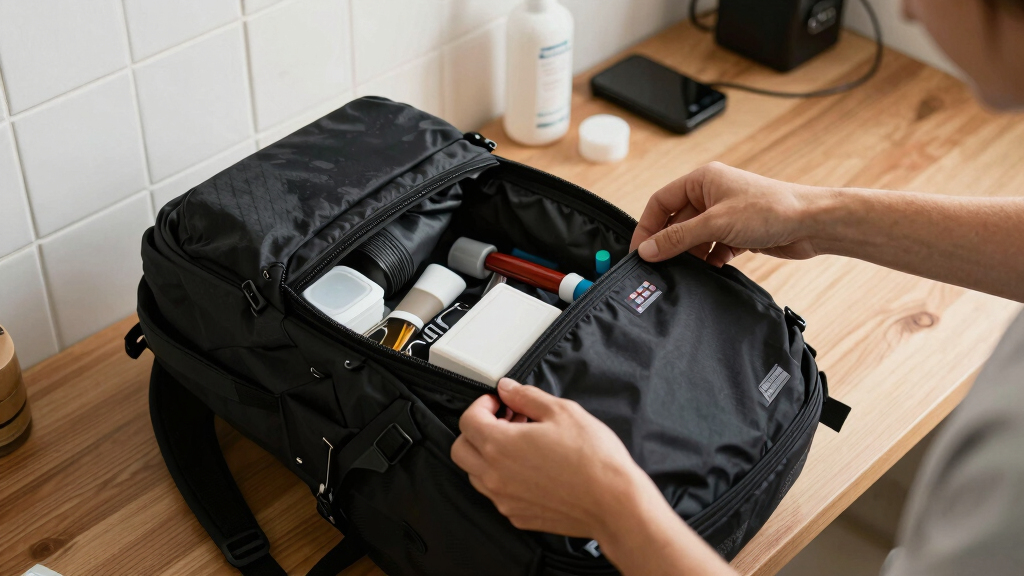
Use packing cubes and compression straps to keep your backpack organized and within size limits.
Can a Backpack Be a Personal Item?
Yes—when it stays within your airline’s limits and slides comfortably under the seat. Measure the packed bag, keep its profile slim, and verify the rules before you reach the gate.
Three checks decide whether it flies under the seat
A regular backpack can qualify. The safest candidate is compact, lightly packed, and shaped so it does not bulge beyond the airline’s measuring frame.
Check every side
Measure length, width, and depth after packing. Include handles, exterior pockets, wheels, and anything protruding from the bag.
Read the airline rule
Limits vary, especially among budget carriers. Check the operating airline’s current baggage page before each trip.
Keep the profile slim
A soft bag can still fail if overstuffed. Leave room for compression so it slides under the seat without blocking the aisle.
The practical fit spectrum
A 16 × 12 × 6-inch backpack is a strong candidate. Once a bag reaches the typical boundary, pockets and overpacking can push it into carry-on territory.
Personal item vs. carry-on
The distinction affects storage, access, packing capacity, and potential fees. A backpack may fall into either category depending on its packed dimensions.
| Feature | Personal item | Carry-on luggage |
|---|---|---|
| Typical size | ✓18 × 14 × 8 in | About 22 × 14 × 9 in |
| Storage location | ✓Under the seat | Overhead compartment |
| Best use | Wallet, documents, electronics, light layer | Clothing, shoes, larger electronics |
| In-flight access | ✓Quick and convenient | ~Limited when bins are closed |
| Typical weight | ~Varies; often 15–20 lb | Often higher; sometimes around 40 lb |
| If oversized | ✗Reclassified or checked | ✗May incur checking fees |
Always treat published dimensions as the controlling rule; typical figures are only a planning benchmark.
Five ways to stay inside the limit
The bag that fits at home can expand once packed. Control the shape as carefully as the contents.
Measure after packing
Soft sides and full pockets can add unexpected depth.
Choose 10–15 liters
A smaller capacity naturally discourages excess bulk.
Use packing cubes
Organize essentials and prevent uneven bulges.
Tighten compression straps
Maintain a clean silhouette that enters the sizer easily.
Leave expansion room
A slightly underfilled pack is more reliable at the gate.
Check the operating carrier
Partner airlines may apply different baggage rules.
From packed bag to smooth boarding
Follow the chain in order. Each step reduces the chance of a surprise fee, rushed repack, or last-minute bag check.
Expect reclassification, fees, or a terminal repack
An oversized or overweight backpack may become a carry-on or checked bag. Fees can start around $30–$50 and rise for oversized or overweight luggage.
Frequently asked questions
When in doubt, the under-seat fit and the airline’s published dimensions are the deciding factors.
Can I use my regular backpack?
Yes, if its packed dimensions meet the airline limit and it fits completely beneath the seat in front of you.
Is every small backpack a personal item?
No. Bulky shapes, overfilled pockets, or strict carrier limits can cause even a small backpack to be rejected.
Can I bring a backpack and another small bag?
Sometimes, but many fares allow only one personal item. Confirm the exact allowance attached to your ticket.
Are contents subject to security restrictions?
Yes. Standard airport security rules still apply to liquids, sharp objects, batteries, and other restricted items.
What exactly is a personal item, and why does size matter?
Most airlines define a personal item as a small bag, purse, or similar item that can slide under the seat in front of you. Think of it as your go-to bag for essentials you want close, like your wallet, phone, and a light jacket. Size is the key: typically around 18 x 14 x 8 inches (45 x 35 x 20 cm), but it varies. If your backpack fits within these dimensions, chances are good it qualifies.
But why does size matter so much? Airlines enforce size limits because they need to optimize cabin space and ensure safety. Oversized personal items can block aisles or encroach on space meant for carry-on luggage, potentially causing delays or safety concerns. Conversely, a well-sized personal item allows quick access to essentials during the flight and reduces the risk of delays at the gate if your bag fits the criteria. Understanding these nuances helps you avoid last-minute surprises and ensures a smoother boarding process.
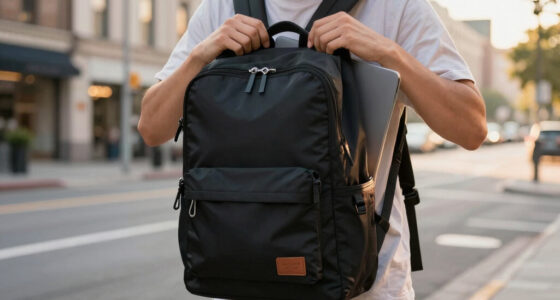
personal item backpack for airline travel
As an affiliate, we earn on qualifying purchases.
As an affiliate, we earn on qualifying purchases.
How to tell if your backpack qualifies as a personal item
- Measure your bag: Use a tape measure to check length, width, and height. Keep it below 18 x 14 x 8 inches.
- Check airline policies: Visit your airline’s website for their specific size limits and examples of accepted personal items.
- Compare your backpack: Is it slim, lightweight, and designed to slide under a seat? If yes, it likely qualifies. Consider how your bag’s shape affects its fit—bulky or irregularly shaped bags may not slide easily under the seat, even if they meet size specs.
- Pack smart: Avoid overstuffing your backpack, as expanding it beyond its intended size can lead to rejection at the gate. A well-organized, slightly underfilled pack maintains its shape and fits more reliably.
- Use a sizing guide: Many brands include dimensions on tags or in product descriptions. Use them as a quick reference, but always verify with your actual bag’s measurements.
For instance, a 16-inch by 12-inch by 6-inch backpack that weighs less than 2 pounds is a good candidate for most airlines’ personal item category. Remember, a slightly larger or heavier bag might still qualify if it can be squeezed under the seat, but it’s safer to stick within the recommended limits to avoid hassle.
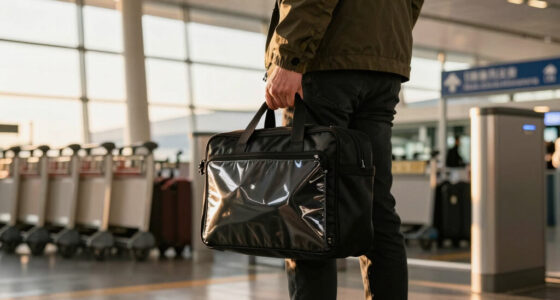
compact carry-on backpack 18x14x8 inches
As an affiliate, we earn on qualifying purchases.
As an affiliate, we earn on qualifying purchases.
Comparison: Backpack as a personal item vs. carry-on — what’s the difference?
| Feature | Personal Item | Carry-On Luggage |
|---|---|---|
| Typical size limit | 18 x 14 x 8 inches (45 x 35 x 20 cm) | 22 x 14 x 9 inches (56 x 36 x 23 cm) or larger |
| Weight limit | Varies, often 15-20 pounds | Often higher, around 40 pounds |
| Ideal use | Essentials you want under the seat | Additional clothing, larger electronics |
| Ease of access | High — you can grab items anytime | Lower — stored in overhead bin |
| Flexibility | More flexible, smaller, easier to manage | Larger, can be cumbersome |
This distinction is crucial because it impacts your travel experience and potential costs. Choosing a bag that fits the personal item criteria means easier access during the flight and fewer constraints at the gate. If your backpack exceeds these dimensions, it might be classified as a carry-on, which often incurs additional fees or requires checking. Understanding these differences helps you plan your packing strategy better, avoiding surprises and extra expenses.
lightweight travel backpack 10-15L
As an affiliate, we earn on qualifying purchases.
As an affiliate, we earn on qualifying purchases.
Practical tips for traveling with your backpack as a personal item
- Choose a slim, lightweight backpack with dedicated compartments for electronics and essentials. This organization not only makes packing easier but also helps keep your bag within size limits.
- Measure before packing — avoid surprises at the gate. It’s worth double-checking your measurements after packing to ensure your bag still fits.
- Use compression straps or packing cubes to keep your bag compact and organized. This technique maximizes space and maintains the bag’s shape, making it easier to slide under the seat.
- Prioritize essentials: only pack what fits comfortably within size limits. Remember, overpacking can cause your bag to expand beyond acceptable dimensions, risking being checked or rejected.
- Check your airline’s policy online before arriving — policies can vary, especially with budget airlines. Being informed saves time and prevents last-minute hassles.
For example, a traveler with a 14-liter sling pack found it easy to slide under the seat on a short flight, avoiding checked baggage fees and delays. Smart packing and preparation significantly enhance your travel experience by reducing stress and costs.
As an affiliate, we earn on qualifying purchases.
What happens if your backpack is too big or heavy?
If your backpack exceeds the airline’s size or weight limits, it will typically need to be checked. Imagine arriving at security, only to be told your bag is too bulky or heavy. You might face extra fees, or worse, a last-minute re-pack in the terminal. This can cause delays, stress, and additional costs that could have been avoided with proper preparation.
Some airlines charge $30 to $50 for checked baggage, and oversized or overweight bags can cost even more. The implications are not just financial; they can also disrupt your travel plans, especially if you have tight connections or scheduled activities. To prevent this, always measure and weigh your bag beforehand. If you’re close to the limit, consider removing non-essentials or switching to a smaller bag. Being proactive about size and weight helps ensure a smooth journey and keeps your travel experience enjoyable rather than stressful.
Frequently Asked Questions
Can I use my regular backpack as a personal item?
Yes, if it measures within the typical size limit of about 18 x 14 x 8 inches and fits comfortably under the seat. Always measure and check your airline’s specific rules first.What size is considered a personal item by most airlines?
Most airlines accept a personal item up to 18 inches long, 14 inches wide, and 8 inches high. This varies slightly, so always verify with your airline before packing.Is a backpack considered a carry-on or personal item?
It depends on its size and the airline’s policy. Smaller, slimmer backpacks usually qualify as personal items, while larger ones are classified as carry-ons.Can I have both a backpack and a personal bag?
Many airlines allow a personal item plus a small bag or purse, but check your airline’s rules to avoid surprises at the gate.What if my backpack exceeds size limits?
It may need to be checked, possibly incurring fees. Always measure before you travel and pack within the limits to avoid last-minute issues.Conclusion
A backpack can be a personal item if it stays within the size limits set by your airline. The trick is choosing a slim, lightweight pack and packing smartly. When in doubt, measure first. Your travel experience should be smooth, not a puzzle of rules and fees. Pack efficiently, check policies, and enjoy your trip without surprises.Fall Picks
fall essentials
As an affiliate, we earn on qualifying purchases.