
TL;DR

Get travel and outdoor gear delivered free with Prime
- Fast, free delivery on millions of items
- Prime Video, Amazon Music and more included
- Member-only deals all year
Using a garment bag and careful folding keeps your business suit wrinkle-free. Immediate unpacking and proper storage are key for a crisp look. This guide covers everything you need to know.
Imagine stepping into a meeting, suit perfectly pressed, lapels sharp, shoulders crisp. That’s what proper packing can do—turn travel stress into confidence. Using a garment bag isn’t just about convenience; it’s about maintaining that professional edge.
In this guide, you’ll discover precise folding techniques, gear recommendations, and insider tips to keep your suit looking pristine, no matter the journey. Travel smarter, look sharper—your future self will thank you.
Choose a high-quality, appropriately sized garment bag with sturdy zippers and breathable fabric.
Fold your suit carefully, turning the jacket inside out and using tissue paper to cushion folds.
Hang your suit immediately upon arrival and use steaming to remove minor wrinkles.
Modern packing aids like compression cubes and wrinkle-resistant fabrics simplify maintaining a crisp look.
Prompt unpacking and hanging are essential to restore your suit’s sharp appearance after travel.
How to Pack a Business Suit in a Garment Bag for a Crisp Look
Travel smarter. Arrive sharper. The right garment bag, a low-friction fold and immediate unpacking protect the structure of your jacket—so sharp lapels and clean shoulders survive the journey.
Start with the right garment bag
A good bag does more than cover clothing: it supports the hanger, limits movement and keeps pressure away from the shoulders and lapels—the zones most likely to show travel creases.
Support without crushing
Choose sturdy construction, reinforced handles and a reliable zipper. The bag should hold the suit securely without compressing its shoulder line.
Let moisture escape
Breathable fabric helps reduce trapped humidity and odors. Confirm the suit is completely clean and dry before it goes inside.
Check the folded size
Cabin rules vary. Compare the bag’s folded dimensions with your airline’s current allowance—often benchmarked around 22 × 14 × 9 inches.
The five-move crisp-suit sequence
Fold along the garment’s natural architecture. Each move reduces friction, spreads pressure and prevents a random hard crease from becoming the first thing people notice.
Press first
Begin with a clean, dry suit. Smooth the lapels, sleeves and trouser crease.
Turn inside out
Protect the jacket’s visible fabric from rubbing and surface abrasion.
Align shoulders
Fold vertically, matching the shoulder points without flattening their shape.
Cushion folds
Place tissue at the lapels, shoulders and every fold to reduce friction.
Fold trousers
Match the legs lengthwise along the crease; fold once more only if required.
Do not force a compact fold.
Deep compression creates stubborn pressure lines. Preserve the jacket’s natural shape and allow a little room around the shoulders.
Build a stable, cushioned stack
The ideal load is neither loose nor packed solid. Keep the jacket supported at the top, distribute trousers beneath or alongside it and use tissue to eliminate hard contact points.
Placement order
Wrinkle-control impact
Practical impact scale: Relative contribution to shape retention based on the packing principles in this guide; not a laboratory measurement.
Unpack before wrinkles settle
Prompt hanging lets gravity begin the recovery. Gentle steam relaxes compressed fibers, while a short rest restores the drape without exposing the fabric to aggressive heat.
Hang immediately
Remove the suit as soon as you arrive. Use a shaped hanger and give every panel room to fall naturally.
Apply gentle steam
Use a handheld steamer or hang the suit in a steamy bathroom. Keep direct heat controlled and moving.
Rest and inspect
Let the fibers cool and dry before wearing. Target only remaining creases instead of steaming the entire suit again.
Travel system comparison
Modern aids can improve organization, but the classic garment bag remains the strongest all-around option when shape retention matters more than maximum compression.
| Method | Wrinkle control | Space efficiency | Best use | Caution |
|---|---|---|---|---|
| Garment bag + tissue | ✓Excellent | ~Moderate | Meetings, formal events, premium suits | Check folded airline dimensions |
| Suit packing cube | ✓Good | ✓High | Short trips and organized carry-ons | Avoid excessive compression |
| Regular suitcase fold | ✗Limited | ✓High | Backup option when no bag is available | Crushing and shifting are more likely |
| Wrinkle-resistant suit | ✓Good | ~Method dependent | Frequent travel and long transit days | Fabric still needs careful folding |
Every careful choice protects the next
Choose the Right Garment Bag for Your Suit
Picking the perfect garment bag is step one. Look for one with sturdy construction—either a hard-shell or high-quality soft-shell—that’s large enough to hold your suit without crushing it. For example, a 42-inch bag with a dedicated hanger section and breathable fabric helps prevent wrinkles and odors. Don’t forget to check airline size limits: most cabin-friendly bags are under 22 inches long, 14 inches wide, and 9 inches deep.
For a typical business trip, a bag weighing around 2-3 pounds with a capacity of 20 liters offers enough room without adding bulk. Remember, a bag with a sturdy zipper and reinforced handles makes a difference when you’re rushing through airports or stairs.
Choosing the right bag matters because it provides the structural support needed to keep your suit in shape. A well-designed garment bag distributes weight evenly and prevents unnecessary movement of clothing inside, reducing the risk of wrinkles and creases. Conversely, a poorly made bag can cause your suit to shift and fold in ways that create permanent creases, making your professional appearance suffer upon arrival.
high quality garment bag for suits
As an affiliate, we earn on qualifying purchases.
As an affiliate, we earn on qualifying purchases.
How to Prepare Your Suit for Packing — Step-by-Step
- Start with a clean, pressed suit. Never pack a wrinkled or dirty suit. Use a steamer or iron for sharp lapels and smooth fabric.
- Turn the jacket inside out. This protects the outer fabric from friction and wrinkling during travel.
- Fold the jacket in half vertically. Align the shoulders, then fold from the waist up to meet the collar, creating a compact shape.
- Fold the pants properly. Fold in half lengthwise, matching the legs, then fold again if needed to fit your bag.
Deeply understanding why each step matters helps you optimize your packing. For example, turning the jacket inside out reduces direct contact between the outer fabric and other surfaces, minimizing surface friction that causes wrinkles. Folding along natural creases preserves the garment’s structure, preventing unnecessary stress on the fabric. Using tissue paper between folds acts as a cushioning layer—much like a buffer—so that minor movements during transit don’t translate into permanent creases. This attention to detail ensures your suit remains sharp and ready for immediate wear, saving you time and effort upon arrival.
wrinkle-resistant suit packing cubes
As an affiliate, we earn on qualifying purchases.
As an affiliate, we earn on qualifying purchases.
How to Pack Your Suit in a Garment Bag Without Wrinkles
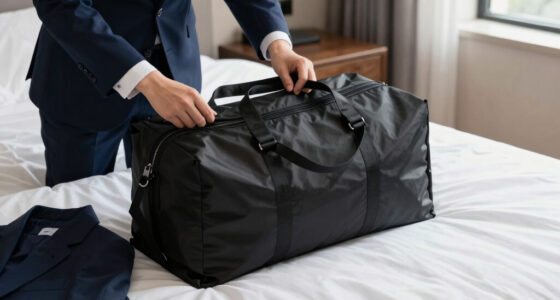
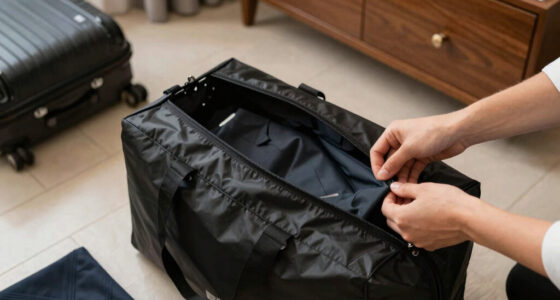
Proper placement inside the bag is crucial. Hang the jacket on a sturdy hanger, then place it at the top of the bag. Folded pants go underneath or alongside, cushioned with tissue paper. Use additional tissue to pad the shoulders and lapels, preventing creases during transit.
For instance, when I traveled to a conference, I placed tissue paper along the lapels and inside the pockets to keep everything crisp. Zipping up the bag securely and avoiding overpacking prevents shifting and wrinkling. Upon arrival, hanging your suit immediately helps restore its shape and smooth out minor wrinkles.
Understanding the implications of packing your suit tightly can make all the difference. Overpacking causes excessive pressure on the fabric, leading to deep creases that are hard to remove. On the other hand, packing too loosely might allow shifting that results in uneven pressure points, creating new wrinkles. Finding the right balance—firm but not tight—ensures your suit maintains its structure and looks professional upon unpacking. Additionally, the placement of your suit within the bag influences how well it resists wrinkles; keeping it flat and supported prevents unnecessary folds or pressure points that compromise the fabric’s integrity.
portable garment steamer for travel
As an affiliate, we earn on qualifying purchases.
As an affiliate, we earn on qualifying purchases.
Latest Tips and Tech for Wrinkle-Free Travel
Modern garment bags have evolved. Lightweight, breathable fabrics with compartments for shoes and accessories make packing more efficient. Features like fold-out hooks, compression straps, and foldable designs speed up packing and unpacking.
Using wrinkle-resistant suits made from wool blends or polyester can also cut down on fuss. Plus, packing aids like compression bags or suit-specific packing cubes help keep everything neat and minimize space.
For example, a traveler reports that folding a suit in a compression cube saved her 30% space and cut wrinkles by half compared to traditional folding.
Understanding the technology behind these innovations helps you choose the right gear. For instance, compression bags reduce the volume of your clothing by removing excess air, which not only saves space but also minimizes movement inside the bag. This reduced movement correlates directly with fewer wrinkles. Similarly, wrinkle-resistant fabrics are engineered to bounce back after being folded or compressed, making them ideal for frequent travelers seeking a consistently sharp appearance. By leveraging these advancements, you can streamline your packing process and ensure your suit remains impeccable, even after hours in transit.
As an affiliate, we earn on qualifying purchases.
The Surprising Impact of Folding Techniques and Fabrics
Folding along natural creases and using tissue paper can cut wrinkles by up to 70%, according to travel gear experts. Wrinkle-resistant fabrics like wool blends or treated polyester further simplify packing. They bounce back after being folded, giving you a sharp look even after hours of travel.
Deep understanding of how folding techniques and fabric choices interact reveals why some suits arrive looking freshly pressed while others look rumpled. The key lies in minimizing stress points on the fabric. Proper folding along natural lines reduces unnecessary strain, preventing deep creases. Using tissue paper as a buffer absorbs pressure and reduces friction between layers, significantly diminishing wrinkle formation. Moreover, selecting wrinkle-resistant fabrics that are engineered to recover quickly from folds means your suit can withstand the rigors of travel without sacrificing appearance. This knowledge empowers you to make smarter choices: investing in quality fabrics and adopting effective folding methods ensures your professional look remains intact, projecting confidence and competence.
How to Unpack and Refresh Your Suit After Travel
Unpacking promptly is key. Hang your suit in a steamy bathroom for 10-15 minutes or use a portable steamer. This relaxes fibers and smooths out minor wrinkles. If you notice stubborn creases, a quick touch with a handheld steamer works wonders.
For instance, after a day of travel, hanging my suit in a bathroom with hot water running for 10 minutes made it look almost brand new—no ironing required.
Understanding why immediate unpacking matters helps maintain your suit’s pristine condition. When you hang your suit promptly, gravity assists in releasing minor wrinkles and restoring the garment’s natural shape. Using steam relaxes the fibers, making it easier to smooth out creases without risking damage from direct heat. This process is more effective than simply hanging or laying the suit flat, which might allow wrinkles to set in further. Recognizing the importance of timely unpacking and proper steaming techniques ensures your suit stays professional-looking, saving you time and effort in touch-ups later.
Conclusion
Travel smart by mastering the art of packing your business suit in a garment bag. It’s not just about fitting everything — it’s about arriving ready to impress. With the right bag, careful folding, and quick unpacking, you keep your look sharp, professional, and totally ready for the boardroom.
Next time you zip up your bag, remember: a crisp suit starts with a crisp packing method. Make it a habit, and your confidence will follow every time you step into that meeting.
Halloween Picks
halloween
As an affiliate, we earn on qualifying purchases.