TL;DR

Get travel and outdoor gear delivered free with Prime
- Fast, free delivery on millions of items
- Prime Video, Amazon Music and more included
- Member-only deals all year
Airline-approved personal-item bags must fit strict size limits, be lightweight, durable, and secure. Recent innovations include smart tech and eco-friendly materials—know what features matter most for your trip.
Imagine zipping through security, your backpack fitting perfectly under the seat, everything organized and accessible. That’s the power of choosing the right personal-item bag. It’s not just about style; it’s about smart design, durability, and meeting airline rules—so your trip flows smoothly.
In this guide, you’ll learn exactly what features make a personal item airline-approved, how recent tech upgrades can boost your travel experience, and what to prioritize when picking your perfect bag. No fluff—just real, practical info to keep your journey stress-free.
Always double-check your airline’s personal item size limits—most are 18 x 14 x 8 inches.
Prioritize lightweight materials to maximize packing space and avoid overweight fees.
Choose bags with multiple compartments for easier organization and quicker security checks.
Look for durable, water-resistant fabrics to protect your belongings during rough handling or rain.
Incorporate security features like lockable zippers and RFID-blocking pockets for peace of mind.
Top Features of Airline-Approved Personal-Item Bags
A truly travel-ready bag fits under the seat, protects what matters, and keeps essentials within reach. Size compliance comes first; lightweight construction, thoughtful organization, durability, comfort, and security turn that compliance into a smoother journey.
Six details that separate a smart bag from a costly mistake
Prioritize the physical constraints first. Added technology is useful only after the bag passes the airline’s size rules and works comfortably in transit.
Compliant dimensions
A bag at or slightly below the stated limit is less likely to be rejected, rearranged at the gate, or charged as extra baggage.
Reference · 18 × 14 × 8 inLightweight build
Nylon and high-denier polyester deliver strength without excessive bulk. Aim below three pounds when padding needs are modest.
Example · Travelpro Maxlite 5 · 2.5 lbUseful organization
A padded laptop sleeve, document pocket, bottle holder, and quick-access zone reduce searching at security and in the cabin.
Sweet spot · purposeful zonesDurable materials
Ripstop fabric, reinforced stitching, sturdy zippers, and water resistance protect contents from rain, abrasion, and rough handling.
Look for · ripstop + reinforced seamsComfortable carry
Adjustable padded straps distribute weight. A top grab handle makes quick lifts easier when moving through crowded terminals.
Best setup · backpack straps + grab handleProtected valuables
Lockable zippers, RFID-blocking sleeves, hidden pockets, and cut-resistant panels deter both physical and digital theft.
Upgrade · add a Bluetooth trackerChoose the structure that matches your trip
There is no universally superior shell. Soft bags usually maximize flexibility and access; structured designs offer stronger protection but can be less forgiving at the sizer.
| Bag format | Under-seat fit | Low weight | Impact protection | Fast access | Best use |
|---|---|---|---|---|---|
| Soft backpack | ✓ Excellent | ✓ Excellent | ~ Moderate | ✓ Excellent | Multi-airport and hands-free travel |
| Slim laptop bag | ✓ Excellent | ✓ Strong | ~ Moderate | ✓ Excellent | Business trips and tech essentials |
| Structured tote | ~ Variable | ~ Moderate | ✓ Strong | ✓ Strong | Short trips and easy top access |
| Hard-shell case | ✗ Less flexible | ✗ Often heavier | ✓ Excellent | ~ Moderate | Fragile electronics and rigid protection |
| Expandable bag | ~ When closed | ~ Variable | ~ Moderate | ✓ Strong | Flexible trip lengths—measure when packed |
Every pound of bag replaces a pound of belongings
Lower empty weight improves comfort and preserves capacity. But pushing weight too low can mean thinner padding, weaker structure, or reduced protection for fragile devices.
From airline rule to stress-free boarding
The decision sequence matters. Start with the carrier’s published rules, then test the fully packed bag—not its empty showroom shape.
Five rules worth remembering
The right personal-item bag is not the one with the longest feature list. It is the one whose dimensions, weight, protection, and access match your airline and travel habits.
- 01Double-check the airline’s personal-item dimensions before every trip.
- 02Keep empty bag weight below three pounds when protection needs allow.
- 03Use purposeful compartments to speed up security and in-flight access.
- 04Favor tear-resistant, water-resistant fabric and reinforced construction.
- 05Add lockable zippers, RFID protection, or tracking when your risk profile calls for it.
Size and Dimensions That Guarantee Fit Under Every Seat
The first thing to check: size. Airline personal items generally max out at around 18 x 14 x 8 inches. That’s roughly the size of a standard laptop bag or small backpack.
For example, the Samsonite Xenon 3.0 Slim Backpack measures 17 x 12 x 6 inches—perfect for most airlines. It slides under the seat with ease, leaving you space for your legs.
This isn’t just about fitting; it’s about avoiding last-minute gate check fees or awkward rearranging at the gate. Size compliance directly impacts the convenience and cost of your trip. Choosing a bag that exactly fits or slightly under the limit ensures you won’t have to sacrifice items or pay extra fees, which can disrupt your travel plans. Always double-check your airline’s specific limits, as some are a touch more generous or strict.
airline approved personal item bag
As an affiliate, we earn on qualifying purchases.
As an affiliate, we earn on qualifying purchases.
Lightweight Construction That Keeps You Moving Fast
When your bag is under 3 pounds (1.36 kg), you gain extra room for your essentials without risking overweight baggage fees. Lightweight materials like nylon and high-denier polyester are common, offering strength without bulk. This tradeoff is crucial because it allows you to maximize your packing capacity without exceeding airline weight limits, which often range from 15 to 22 pounds for personal items.
Take, for instance, the Travelpro Maxlite 5. Weighing just 2.5 pounds, it’s durable, water-resistant, and easy to carry—perfect for busy airports and quick transfers. A lighter bag means less fatigue and more comfort, especially if you’re navigating multiple airports or carrying additional gear like a jacket or electronics. However, ultra-light bags may sometimes sacrifice padding or structural support, so consider your needs carefully—balancing weight savings with protection for fragile items.
Remember, an overly heavy personal item eats into your weight allowance for the main cabin. Prioritize weight in your selection for smoother travel, but also ensure it’s sturdy enough to protect your belongings.
under seat carry-on bag with multiple compartments
As an affiliate, we earn on qualifying purchases.
As an affiliate, we earn on qualifying purchases.
Organization Features That Make Packing a Breeze
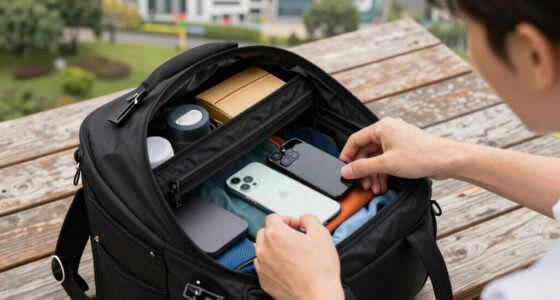
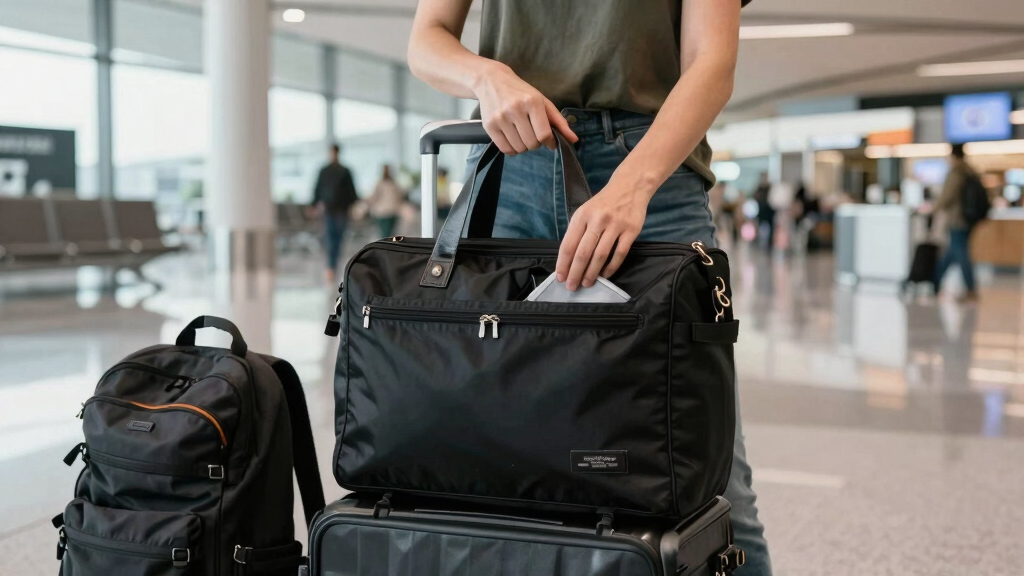
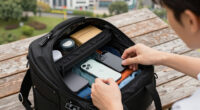
Imagine pulling your bag out of the overhead bin and knowing exactly where your charger or passport is. Multiple compartments and pockets are the secret. Dedicated laptop sleeves, quick-access front pockets, and water bottle holders turn chaos into order. Good organization not only saves time but also reduces the risk of forgetting essential items or rummaging through your bag in stressful moments.
The eBags Pro Slim Laptop Backpack offers six compartments, including a padded sleeve for a 15-inch laptop, plus quick-access slots for boarding passes and snacks. This setup helps you stay efficient, especially during security inspections where quick retrieval of documents can streamline the process. Additionally, well-designed organizational features can help distribute weight evenly, reducing strain during extended carry times. The tradeoff is that more compartments can add bulk, so choose a design that balances space with overall size restrictions.
Smart organization reduces stress and saves time during security checks or when reaching for essentials mid-flight, ultimately making your travel experience more seamless.
water-resistant personal travel bag
As an affiliate, we earn on qualifying purchases.
As an affiliate, we earn on qualifying purchases.
Durability and Water Resistance You Can Count On
Durability isn’t just about tearing; it’s about lasting through rough handling and unexpected weather. Look for bags made from ripstop nylon or polyester with reinforced stitching. These materials resist tearing and punctures, which is critical when bags are tossed around or stacked in overhead compartments.
The Nomatic Navigator Lite uses water-resistant materials and sturdy zippers, standing up to rain and heavy use. This durability ensures your belongings stay dry and intact, reducing stress and potential costs of replacing damaged items. Remember, a bag that can handle sudden downpours or rough handling is an investment in longevity, especially if you travel frequently. The tradeoff may be slightly increased weight or cost, but the peace of mind is often worth it.
Choosing a water-resistant, impact-resistant bag means you’re prepared for unpredictable weather and handling, which are common in travel environments.
As an affiliate, we earn on qualifying purchases.
Comfortable Carrying for Stress-Free Transit
Travel isn’t just about the bag; it’s about how you carry it. Padded handles, adjustable straps, and ergonomic designs matter—especially on long airport walks or when navigating crowded gates. Proper ergonomics help distribute weight evenly, preventing fatigue and discomfort during extended periods of carrying.
The Osprey Daylite Plus can be carried as a backpack or handbag, thanks to padded shoulder straps and a top grab handle. It distributes weight evenly, reducing fatigue and making it easier to maneuver through busy terminals. The choice of carrying style impacts your comfort—backpack straps are better for long walks, while handles are convenient for quick lifts or short carries. Ensuring your bag features adjustable straps and padded grips allows you to customize the fit, reducing strain on your shoulders and back. Neglecting comfort can turn a simple trip into a painful experience, especially if you’re carrying your bag for hours.
Try to choose a bag that suits your preferred carrying style—whether backpack, shoulder bag, or tote—to keep your travel smooth and comfortable.
Security and Tech Features That Keep You Safe
Security is more than locking zippers. TSA-approved lockable compartments and RFID-blocking pockets protect your valuables from theft and digital skimming. These features are especially important for travelers with electronics, passports, and credit cards, which are prime targets for theft and hacking.
The Travelon Anti-Theft Classic Backpack has lockable zippers and RFID-blocking sleeves, making it ideal for tech-heavy travelers concerned about hacking or theft. These features create a layered defense—physical locks prevent casual theft, while RFID-blocking prevents digital skimming of sensitive data. Additionally, some bags incorporate hidden pockets or anti-slash panels that deter pickpocketing, especially in crowded environments. The tradeoff might be slightly increased weight or complexity, but these security features significantly enhance peace of mind during travel.
Adding a Bluetooth tracker like Tile can help locate your bag if it gets misplaced—especially handy during busy airport transfers or layovers. This small tech addition can save you time and stress if your bag is lost or stolen.
Smart and Eco-Friendly Innovations Changing the Game
Recent tech and eco-friendly materials are transforming personal items. Built-in USB ports let you charge devices on the go, while recycled fabrics reduce environmental impact. These innovations not only enhance convenience but also reflect a growing commitment to sustainability, which many travelers find increasingly important.
Some bags, like the Venture Pal Lightweight Backpack, include USB charging ports and are made from recycled PET bottles, blending sustainability with convenience. Modular designs with removable compartments or expandable sections give you flexibility—perfect for both short trips and longer getaways. These features demonstrate a shift toward multifunctionality and environmental responsibility, aligning with modern travelers’ values. The tradeoff may be slightly higher costs or added weight, but the benefits of tech integration and eco-friendliness often outweigh these considerations for many users.
Incorporating smart, eco-friendly features makes your travel gear more adaptable, sustainable, and aligned with current innovations, helping you travel responsibly without sacrificing convenience.
Comparison Table: Hard-Shell vs. Soft-Sided Personal Items
| Feature | Hard-Shell | Soft-Sided |
|---|---|---|
| Protection | Excellent against impacts, ideal for fragile tech | Good, but less impact-resistant, more flexible |
| Weight | Typically heavier (+1-2 lbs) | Generally lighter |
| Organization | Rigid interior, limited expandability | More flexible compartments, expandable |
| Durability | High, resists scratches and dents | Resistant but can tear or stain |
| Style | Modern, sleek, bold | Variety of styles, more casual options |
Frequently Asked Questions
What is the maximum size allowed for a personal-item bag?
Most airlines limit personal items to about 18 x 14 x 8 inches. Always verify your airline’s specific limits before packing to avoid surprises at the gate.Can I bring a backpack as my personal item?
Yes, backpacks are popular personal items because they often meet size restrictions and offer organized storage. Just ensure it fits within the airline’s size limits.Are hard-shell personal items better than soft-sided ones?
Hard-shell bags provide better impact protection—great for fragile tech or valuables. Soft-sided bags are lighter and more flexible, perfect for squeezing into tight spaces.What features should I look for to ensure my bag is airline-approved?
Check size dimensions, weight, durable materials, security features, and organizational compartments. Always confirm specific airline policies before flying.How can I secure my personal item during travel?
Use TSA-approved lockable zippers, RFID-blocking pockets, and consider adding a Bluetooth tracker. These steps help keep your belongings safe and locate them if misplaced.Conclusion
Picking the right personal-item bag isn’t just about style. It’s about smart features—size, weight, durability, security—that make your journey smoother. Think of your bag as your travel partner: reliable, organized, ready for anything.
Next time you pack, remember: the best bags blend practicality with innovation, turning a simple carry-on into a seamless part of your adventure. Travel smarter—your future self will thank you.
Halloween Picks
halloween
As an affiliate, we earn on qualifying purchases.