TL;DR
A carry-on travel backpack combines backpack portability with suitcase-style packing, but there is no universal airline-approved size. Check your carrier’s current limits, measure the fully packed bag, and test its fit and comfort with a realistic load before you fly.
At the gate, a backpack that looked compact at home can suddenly seem enormous: the front pocket is stuffed, the straps dangle, and the boarding agent asks you to fit it in the sizer. Carry-on travel backpacks can make airport walks easier, but a liter count or “airline approved” label cannot promise that your bag fits your flight.

Get travel and outdoor gear delivered free with Prime
- Fast, free delivery on millions of items
- Prime Video, Amazon Music and more included
- Member-only deals all year
This guide helps you compare airline dimensions, capacity, weight and comfort before you buy. You’ll also get a practical packing check and ways to decide whether a backpack, a small suitcase or a personal-item bag suits your route. Policies change and differ by airline, fare and flight, so check your carrier’s official baggage rules before booking and again before departure.
Measure your fully packed backpack, including bulging pockets and straps, against each airline’s current allowance.
Use liters as a rough capacity guide; compare the bag’s shape and packed dimensions too.
Test straps and back support with a realistic load, especially if you expect to carry the bag for long walks.
Choose clamshell access, laptop sleeves and extra compartments only when they suit your packing habits.
Treat water resistance, lockable zippers and warranty claims as specific features to check, not blanket guarantees.
Check the packed dimensions before trusting the label
A carry-on travel backpack counts as cabin baggage only when its packed dimensions meet your airline’s current allowance. Airlines set their own limits, and overhead-bin baggage may follow different rules from a personal item that fits under the seat. This distinction affects more than where the bag goes: a backpack that meets the overhead limit may still require a paid cabin-bag allowance, while a personal item usually needs to fit into a smaller space. A bag that works on one flight can exceed the limit on another, especially when a route includes different carriers or aircraft.
Measure the bag after packing it, including stuffed pockets, handles and loose straps. Imagine a weekend flight where your rain jacket bulges out of the front compartment: the empty bag may fit the published size, but the packed shape may not. That extra depth can stop the bag sliding into a sizer or under a seat. Soft fabric gives you some flexibility, but compression is useful only if the bag still closes comfortably and does not depend on being forced into the space.
“Airline approved” is a marketing phrase, not a universal clearance. A product may have been designed around one commonly used limit, but airlines, fares and aircraft can differ. If your itinerary includes different carriers or a connection on a smaller aircraft, check the official rules for each flight and fare. Keep the dimensions handy on your phone, and make sure the bag’s straps tuck away so they cannot catch or add extra length.
Measure the bag you will actually carry. Its full, closed shape matters more than the dimensions printed for an empty product.
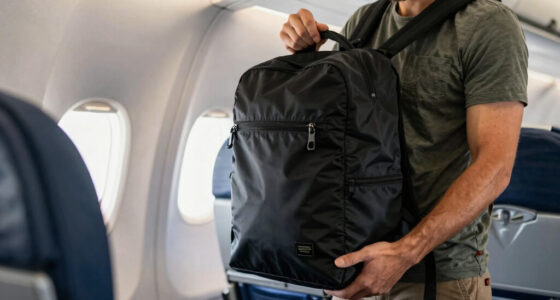
A personal item is a separate question: even a well-sized carry-on backpack may be too big to fit beneath the seat. Check that allowance specifically if you plan to travel without overhead-bin space; having to move a bag into the overhead bin can mean paying for a different baggage allowance.
Popular right now

KitchenAid Artisan 5-Quart Tilt-Head Stand Mixer, KSM150PS, Almond Cream

Samsung 65-Inch M70H Series 4K Mini LED Smart TV (2026)

KitchenAid Artisan 5-Qt Tilt-Head Stand Mixer, Cardamom
As an affiliate, we earn on qualifying purchases.
Choose capacity that fits your trip and your packing habits
Capacity in liters gives you a rough idea of volume, but it does not prove how much clothing or gear a backpack will hold. Shape, compartments and access all affect usable space. A tall bag with a narrow opening can pack differently from a boxier bag of the same stated capacity. Liter figures also cannot tell you whether the packed bag will stay within airline dimensions: two packs with similar capacity can have different heights, depths and amounts of usable space.
For a two-night city break, a compact pack and a couple of clothing layers may be enough; a week-long trip with bulky shoes or cold-weather clothes asks for more room. But a larger bag can become heavier and harder to fit in an overhead bin. More capacity can also invite you to bring extras, turning a manageable bag into a tiring load. Think of capacity like a kitchen cupboard: its total volume helps, but shelves and awkward corners determine what actually fits. The useful question is not simply “How many liters?” but whether your usual items fit without pushing out the bag’s shape or adding weight you do not want to carry.
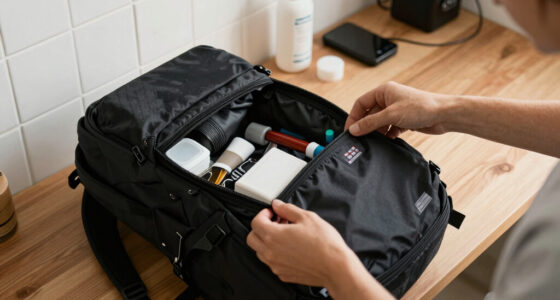
Before comparing bags, sketch out the items you genuinely plan to carry. A laptop, charger, toiletries and spare shoes take space quickly. Packing cubes can help group clothing, but they do not create extra room; they can make a tight pack harder to close if they are too full. Overfilling the outer pocket may make an otherwise compliant bag bulge beyond the airline limit.
- Short, light trip: consider a smaller pack if your clothing and shoes pack flat. It can be easier to carry and keep within dimensions, though it leaves less room for souvenirs or last-minute layers.
- Longer trip: prioritize sensible layout and compressed clothing, then check the actual dimensions. A bigger bag may hold more, but the added volume can encourage heavier packing and make it less comfortable to carry.
- Personal item plan: compare the bag with the under-seat allowance, not just the overhead-bin limit. The tighter space makes shape and external pockets especially important.
There is no single liter count that works for everyone. A frequent minimalist may prefer a smaller bag, while a family traveler carrying extra layers may need more capacity—or a different luggage setup altogether. Choosing a bag with some spare room can be convenient, but the best fit is one that holds the things you need without making every trip harder to lift, carry or stow.
Test the straps with a real load before a long walk
A comfortable travel backpack has adjustable padded shoulder straps, a supportive back panel and a fit that remains steady when the bag is full. These features matter because the same load can feel quite different depending on where it sits: a bag that hangs away from your back or shifts as you walk can pull on your shoulders and make stairs or transfers more tiring. For heavier loads, a hip belt can transfer some weight to your hips; a sternum strap can reduce shoulder straps shifting as you move. They help only if they fit your body and the bag is adjusted properly. No feature replaces a fit that suits your body.
Try a loaded bag if you can. Put in a laptop, water bottle and the clothes you would actually pack, then walk around for several minutes. A bag that feels fine empty in a shop can press into your shoulders once the charger, toiletries and shoes are inside. Pay attention to pressure points, whether the pack bounces, and whether you can reach and adjust the straps easily. On a station transfer with two flights of stairs, small discomforts accumulate; a short test helps reveal whether the pack is likely to make those parts of the trip harder.
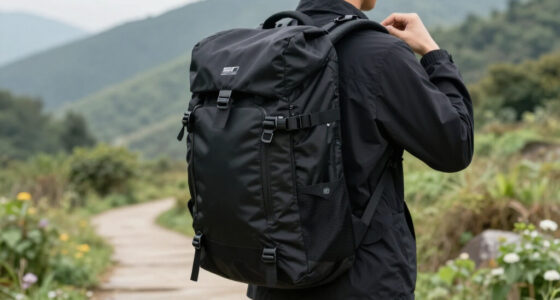
Travel-focused packs often trade some hiking comfort for suitcase-style organization and laptop access. A hiking backpack may carry a heavy load more comfortably on a trail because it is built around a close, supported fit, but its long straps or external gear can snag in a crowded airport or add to its packed dimensions. A travel pack may be easier to open and organize in a hotel, yet its layout and padding may not feel as good over a long walk. Match the bag to the route you expect to take.
Check the empty weight too: if an airline sets a weight allowance, the bag itself uses part of it before you pack anything. A heavier pack can also make an otherwise reasonable load feel more demanding throughout the day. Fit and loaded comfort matter more than a long list of straps or padding claims. If a pack feels uncomfortable after a short test, a full travel day will not make it kinder.
Compare the openings and pockets you will use every day
Clamshell travel backpacks open flat like a suitcase, while top-loading designs load from the top like many hiking packs. A clamshell layout can make it easier to find a clean shirt without pulling out everything above it, which is useful when you unpack and repack often. The trade-off is that its wide opening usually needs room to lie open. A top-loader may suit simpler packing or someone who wants a familiar trail-pack shape, but items packed at the bottom can take more effort to reach.
Think about a hotel room with limited floor space: laying a clamshell bag open can reveal your clothes at a glance, but its wide opening needs room. A quick-access pocket helps when you need a boarding pass or headphones at security, because you can retrieve them without disturbing the main compartment. A protected laptop sleeve makes sense if you carry a computer; if you never bring one, it can take space without earning its keep. That space could otherwise hold clothing or another item you use more often.
Extra features have trade-offs. A luggage pass-through sleeve can secure the backpack to a rolling suitcase handle, handy on a long terminal walk, but adds material. Expandable sections and detachable daypacks offer flexibility, yet can increase weight and bulk. Expansion is particularly easy to overuse: it can make the bag more useful on the return trip while pushing its packed depth beyond the airline limit. More compartments can keep gear sorted, but too many pockets make it easy to lose small items or leave things behind.
Pick the organization that fits your habits. If you use packing cubes, you may need fewer internal dividers; fewer dividers can also make it easier to fit irregular items. If you carry gym shoes or damp laundry, a separate compartment can keep odors and moisture away from clean clothes, though it takes space even when empty. Put your most-used items where you can reach them without unpacking the whole bag. The right layout saves time each day, while features you rarely use add weight and take room on every trip.
Compare backpack and suitcase choices by route
A backpack is easiest to carry over stairs and uneven ground; a small suitcase can be easier to roll through a long, smooth terminal. Neither wins every trip. The difference comes from how the load meets the route: wheels spare your shoulders on smooth ground, while carrying a bag keeps it moving when stairs, curbs or cobbles interrupt the path. The best choice depends on how far you carry your luggage, how heavy it gets and how often you need to access what is inside.
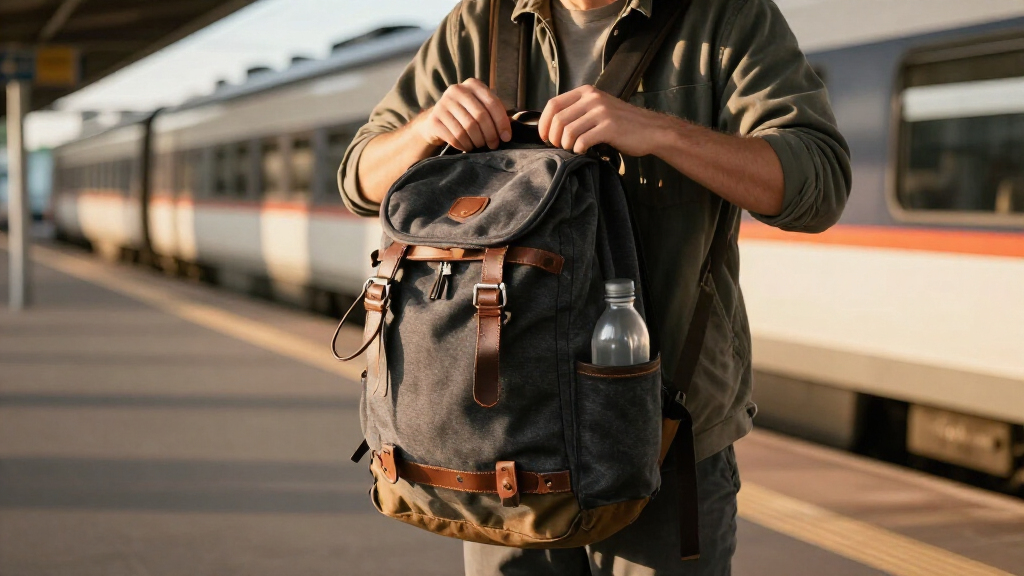
Picture arriving at an older city hotel after a train ride, with cobblestones and no lift. A backpack keeps your hands free and its wheels cannot get stuck in the stones, though a heavy pack can make the final stairs more tiring. For a conference trip between airport, taxi and modern hotel, a suitcase may roll comfortably and keep pressed clothes organized. The route’s most difficult segment often matters more than the longest one: a brief staircase can determine whether wheels are convenient for the rest of the journey.
| Option | Works well when | Watch for |
|---|---|---|
| Carry-on backpack | You walk stairs, change trains or cross uneven streets. | Shoulder comfort and packed size matter; heavy loads tire you. |
| Small suitcase | Your route has smooth floors and you value rolling luggage. | Stairs, cobbles and crowded buses make wheels less useful. |
| Personal-item backpack | You can pack lightly and want a bag under the seat. | Capacity and under-seat space are limited. |
On a mixed itinerary, consider what happens between transport legs, not just at the airport. A wheeled bag can feel effortless until you reach a station staircase; a backpack can feel freeing until you load it with a week of heavy gear. Choose for the hardest part of your actual route, and include how long you will carry the bag as well as the surface you will cross.
Check materials, zippers and the warranty before paying more
Construction tells you more than a fabric name alone. Nylon and polyester are common backpack materials, but stitching, zipper quality, panel construction and repair options also shape how long a bag lasts. The fabric label by itself does not tell you how well a bag will handle daily abrasion or a full load; seams and attachment points are also under stress when you lift it by a handle or pull on a packed zipper. Water-resistant fabric may handle light rain, but it does not mean the bag is waterproof.
Suppose you walk through a brief shower on the way to your hotel. Water-resistant fabric may help, but seams and zippers can still let moisture in, so a dry bag for electronics or a rain cover is sensible in wet weather. Strong stitching and zippers that move smoothly under load are useful details to inspect before purchase. A zipper that catches when the bag is full is more than an inconvenience: repeatedly forcing it can strain the teeth and seams.
Lockable zippers can discourage casual access in a crowd, but they do not make a bag theft-proof. Keep valuables close and use the lock as a modest deterrent. If the bag includes a warranty, read what it covers: a long warranty may exclude ordinary wear, airline damage or repairs in some locations. The practical value of a warranty depends on whether the likely problem is covered and whether repair is accessible where you live.
Price alone does not guarantee comfort or durability. Compare materials, repair services, warranty terms and the features you will use. A commuter who carries a laptop daily may value a protective sleeve and replaceable components; a light packer on occasional weekend trips may get more value from a simpler, lighter design. Paying more makes sense when it buys a benefit that matters on your routes or extends the bag’s useful life, rather than a feature that adds bulk without solving a real problem.
Pack in six steps and keep the bag within its size
Pack heavier items close to your back, keep essentials reachable and close the backpack without forcing it. Keeping weight near your back helps the pack sit more steadily, while an accessible layout reduces the need to unpack in a queue or at your seat. A smooth, closed shape also makes it easier to judge whether the bag fits the airline allowance. Try the finished pack at home, before you reach the gate.
- Lay out your essentials. Remove “just in case” extras that duplicate something you already packed. Every unnecessary item takes space and adds weight you carry through the airport.
- Place dense items near your back. A laptop or compact toiletry kit sits more comfortably there than at the outer edge, where weight can pull the bag away from your body.
- Group clothing. Use a packing cube if it helps you separate clean clothes from laundry. Keep cubes easy to remove so organization does not make the bag harder to repack.
- Keep travel documents and headphones accessible. Use a quick-access pocket you can reach during boarding. Avoid filling it so much that the pocket bulges beyond the bag’s main profile.
- Close and measure the packed bag. Check its fullest points, straps and external pockets against your flight’s official allowance. Measuring before departure gives you time to redistribute or remove items.
- Walk with the loaded pack. Adjust the straps and remove items if the bag pulls uncomfortably. A bag that fits the sizer can still be a poor choice if its weight makes the route uncomfortable.
For example, if a jacket stuffed in an outer pocket makes the bag too deep, wear it or pack it inside instead. Compression can reduce wasted space, but it cannot shrink bulky shoes or remove weight. Leave a little room so zippers close without strain; a bag packed right to its limit is harder to close and can become oversized as you add small items during the trip.
Airline rules vary, so check the policy for each leg before you travel. A bag that fits the outbound flight may face a different allowance on a return carrier.
Frequently Asked Questions
What size backpack counts as a carry-on?
It depends on the airline, flight and fare. Check the carrier’s current size limits for overhead baggage, then measure the backpack when fully packed, including pockets and straps.
Can a travel backpack count as a personal item?
Sometimes, if it fits the airline’s personal-item allowance and can go under the seat. A full-sized carry-on backpack may exceed that space, so check the specific rule for your flight.
How many liters should a carry-on backpack be?
There is no single capacity that suits every traveler. Match the bag’s usable layout to your trip and packing style, then check its physical dimensions against the airline’s rule.
Is a backpack better than a small suitcase?
A backpack can be easier on stairs and uneven streets, while a suitcase is often simpler to roll over smooth floors. Your route, load and carrying comfort decide which works better.
Are travel backpacks waterproof?
Many are water-resistant rather than fully waterproof. For heavy rain or electronics, use a rain cover or dry bags and check the manufacturer’s specific materials and construction claims.
Conclusion
Choose your backpack by packed size, loaded comfort and the route you will actually travel. A liter count can help narrow the options, but only a full-bag measurement and a realistic fit test tell you whether the pack suits your trip.
Check the airline’s current rules before you fly, then walk around at home with the bag packed. Better to adjust it beside your front door than wrestle a bulging pack beneath the gate sizer.