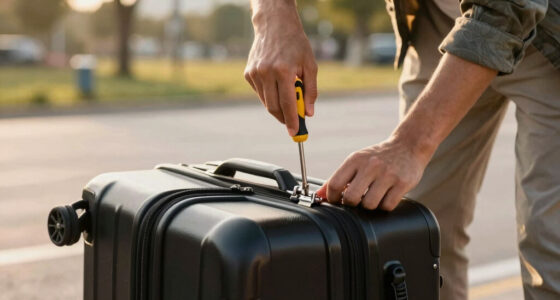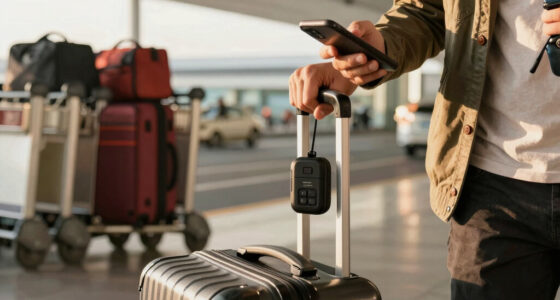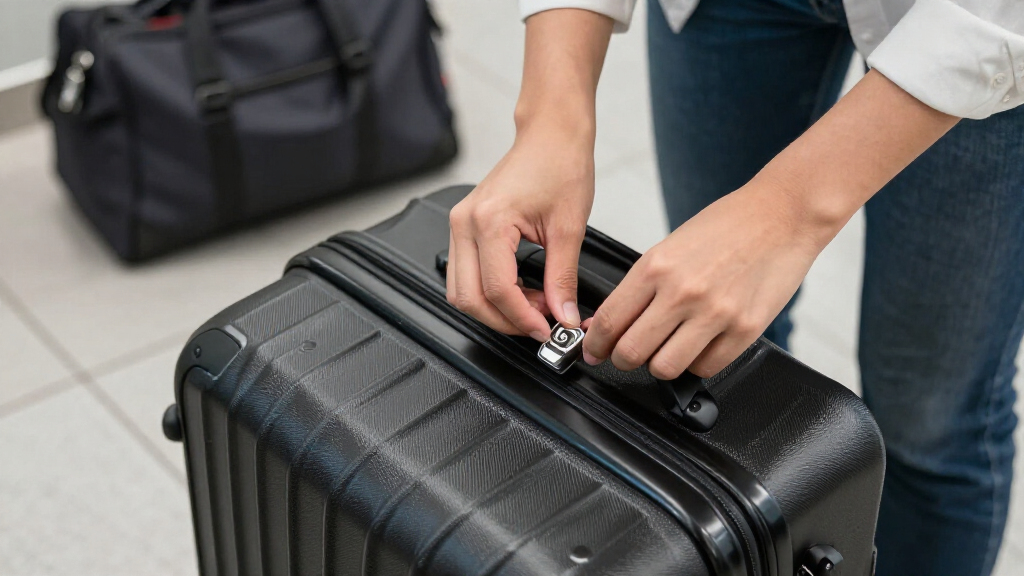
TL;DR
Most TSA locks are designed to fit standard luggage zippers and lock slots, but compatibility varies. Checking your luggage’s design and recent lock innovations ensures a secure, hassle-free travel experience.
Imagine arriving at the airport, eager to start your trip, only to find your TSA lock doesn’t fit your luggage. Frustrating, right? Understanding TSA lock compatibility isn’t just about security; it’s about peace of mind. Knowing what works with your luggage saves time, prevents damage, and keeps your travel stress-free.
In this guide, you’ll discover how TSA locks fit different brands, recent tech upgrades, and what to check before locking up your bags. Whether you’re jetting off for a weekend or a month abroad, this info keeps you one step ahead.
Always verify your luggage’s lock slots or holes before purchasing a TSA lock to avoid compatibility issues.
Recent innovations have made many TSA locks adjustable, fitting a broader range of luggage styles and brands.
Proprietary or high-end luggage often requires brand-specific TSA lock solutions or integrated locks.
Using a universal TSA lock with an adjustable shackle simplifies security for most standard suitcases.
Check your luggage’s manual or manufacturer’s website for specific lock compatibility info to save time and hassle.
Understanding TSA Lock Compatibility with Different Luggage Brands
Most TSA locks fit standard zipper pulls and lock slots—but proprietary fittings, integrated systems and small dimensional differences can turn a simple purchase into an airport headache.
of luggage brands use zipper or lock-slot designs generally compatible with universal TSA locks.
A flexible or adjustable shackle offers the broadest fit across standard suitcases, spinners and duffels.
Three checks before you buy
Compatibility depends on more than a TSA symbol. The shackle must pass through the luggage hardware, close without strain and leave the zipper pulls aligned.
Inspect the zipper pulls
Look for round or rectangular holes designed to accept a shackle. Both zipper pulls should meet naturally without twisting.
Measure the smallest point
Compare the pull-hole diameter, slot width and material thickness with the lock manufacturer’s shackle specifications.
Identify the lock system
Confirm whether the bag accepts an external lock or uses an integrated, recessed or brand-specific locking mechanism.
Check the closed position
A compatible lock should close cleanly without pinching fabric, pulling the zipper off-axis or striking the suitcase shell.
Verify the exact model
Consult the luggage manual or manufacturer’s product page. Compatibility can vary between collections from the same brand.
Test before travel
Lock, unlock and reset the mechanism several times at home. Make sure the code, key or app access works reliably.
New locks adapt to more luggage
Modern designs widen compatibility through flexible mounting, digital controls and lighter impact-resistant materials—but advanced features still cannot overcome a physically incompatible fitting.
What has changed
Relative fit flexibility
Reading the chart: flexibility reflects the range of luggage fittings a lock style can accommodate—not its absolute security level.
Compatibility varies by model
Mainstream zipper luggage is usually straightforward. Premium collections are more likely to use integrated or proprietary systems, so brand name alone is never enough.
| Luggage category | Typical compatibility | External universal lock | What to verify |
|---|---|---|---|
| Samsonite | ✓ High | Commonly supported on models with standard zipper-pull holes. | Check whether the exact model already includes an integrated TSA lock. |
| American Tourister | ✓ High | Standard zipper designs commonly accept universal shackles or cables. | Measure smaller pull holes on compact or lightweight models. |
| Tumi | ~ Medium | Some collections accept external locks; others use integrated solutions. | Confirm collection-specific guidance and avoid forcing proprietary hardware. |
| Rimowa | ~ Variable | Zippered models may accept universal locks; hard-shell closures may not. | Identify whether the case uses zippers, latches or built-in locks. |
| Designer luggage | ✗ Low | External locks may be unnecessary or incompatible with proprietary fittings. | Use the brand-approved TSA solution to protect hardware and warranty coverage. |
Many built-in systems are TSA-recognized themselves. The key question is whether an additional external lock is supported or needed.
Common traveler questions
A TSA lock is mainly designed to facilitate authorized baggage inspection without routinely cutting the lock. It deters casual interference, but it does not make luggage theft-proof.
Are TSA locks universal?
Most are designed for standard luggage hardware, but “universal” does not guarantee a fit with every zipper, latch or proprietary system.
Can one be used on carry-on luggage?
Yes. Locks are optional for carry-ons and may be useful during transit, storage or gate checking.
What if the lock does not fit?
Do not force it. Choose a thinner shackle, flexible cable or model-specific solution recommended by the luggage maker.
Are smart TSA locks worthwhile?
They add convenience and monitoring features, but cost more and may require battery or app management.
From suitcase to secure trip
A reliable result comes from connecting five decisions. Skipping the measurement or model-verification stage creates most compatibility problems.
Five rules worth remembering
- Verify zipper holes or lock slots before purchasing.
- Choose adjustable hardware for multiple luggage styles.
- Expect premium models to require specific solutions.
- Check the exact model manual or manufacturer website.
- Test the mechanism before arriving at the airport.
Features second.
The most sophisticated lock is useless if its shackle cannot pass cleanly through your luggage hardware.
What Makes a TSA Lock Compatible with Your Luggage?
In simple terms, a TSA lock is designed to fit standard zipper pulls and lock slots. Compatibility hinges on size, mounting style, and your luggage’s design. But why does this matter? Well, a lock that fits perfectly ensures your luggage remains secure without risking damage or difficulty during security checks. For example, a typical TSA combination lock measures about 2.5 inches wide and 1 inch deep, which is usually suitable for most zippers with appropriate holes. If the lock is too large or the zipper hole too small, you might face challenges in securing your bag or even damage the zipper. Conversely, a lock that’s too small might be insecure or fail to lock properly, leading to potential security gaps. Take a mid-range suitcase like the Samsonite Omni, which features zipper pulls with built-in lock holes perfectly matching a universal TSA lock. This compatibility simplifies security procedures and minimizes delays. On the other hand, a designer piece like Tumi’s Alpha series often has proprietary lock mechanisms that require specific locks or integrated solutions, emphasizing that compatibility isn’t just about fitting but also about maintaining the integrity of your luggage’s security features. Before purchasing, always check your luggage’s manual or website to confirm support for external locks. Ensuring a proper fit isn’t just convenience; it’s a vital step in safeguarding your belongings and streamlining your travel experience.
As an affiliate, we earn on qualifying purchases.
How Do Recent Tech Upgrades Make TSA Locks More Compatible?
Recent developments in TSA lock technology are not just about added features—they directly impact compatibility and security. For instance, many newer models now include adjustable mounting brackets or flexible shackles, which allow the lock to adapt to different zipper sizes and styles, reducing the need for multiple locks. Why does this matter? Because luggage designs vary widely, and a lock that’s adaptable can save you from buying several different models. Take the Master Lock 4688D, which offers an adjustable shackle that fits zippers from 0.25 to 0.75 inches thick. This flexibility means it can be used across various luggage types, from slim spinner cases to larger duffels. Additionally, smart TSA locks with Bluetooth connectivity are revolutionizing security and convenience. These locks can be controlled via smartphone apps, allowing you to change access codes remotely, monitor lock status, or even unlock for TSA agents with a digital override. Their universal mounting features often mean they can be used across different luggage brands, including those with non-standard zippers or integrated locks. Moreover, the materials used in these newer locks—impact-resistant plastics and eco-friendly composites—enhance durability without adding weight. This means you don’t have to compromise on security for the sake of convenience or weight savings. Overall, these technological advancements broaden the scope of compatibility, making secure locking accessible for a wider range of luggage styles and preferences.
As an affiliate, we earn on qualifying purchases.
Which Luggage Brands Are Most and Least Compatible with TSA Locks?
| Luggage Brand | Compatibility Level | Notes |
|---|---|---|
| Samsonite | High | Most models have zipper holes or lock slots compatible with universal TSA locks. This widespread compatibility is due to their standardized design, which prioritizes ease of security checks and user convenience. For example, the Samsonite Omni features zipper pulls with built-in lock holes that accommodate most TSA locks, making it straightforward to secure and verify during travel. This compatibility reduces stress and time at security checkpoints, emphasizing the importance of choosing brands that adhere to common standards. |
| Tumi | Medium | Many high-end models feature proprietary lock mechanisms or integrated locks, which may not be compatible with external TSA locks. This design choice often aims to enhance security and aesthetics but can limit flexibility. Travelers should verify whether their specific Tumi model supports external locks or if they need a Tumi-specific solution. The implication is that high-end luggage often involves a tradeoff between unique security features and compatibility, requiring careful consideration before purchasing. |
| Rimowa | Variable | Some models have built-in locks, while others use proprietary zippers. Rimowa’s classic aluminum cases often feature integrated locks that aren’t compatible with external TSA locks, but their newer models with zippers support universal TSA locks. Checking model specifications is crucial to avoid surprises at the airport. This variability underscores that even within a brand, compatibility can differ significantly, so thorough research is essential. |
| High-end designer brands (e.g., Louis Vuitton, Gucci) | Low | Often have integrated locks or proprietary zippers that are not compatible with external TSA locks. These brands prioritize aesthetics and security features that are embedded into the suitcase, making external locks unnecessary or incompatible. Travelers with such luggage should consider brand-specific TSA solutions or integrated locking mechanisms to ensure security without damaging their luggage or voiding warranties. |
For example, Rimowa’s classic aluminum cases with built-in locks aren’t compatible with external locks, but their newer models with zippers support universal TSA locks. Always verify your luggage’s lock system before buying a lock to ensure seamless security and avoid potential damage or incompatibility.
In contrast, budget brands like American Tourister typically have standard zippers with lock holes, making compatibility straightforward. This simplicity often makes them a practical choice for travelers seeking ease and affordability, highlighting the importance of matching your luggage’s design to your security needs.
As an affiliate, we earn on qualifying purchases.
Step-by-Step: How to Check If Your Luggage Fits a TSA Lock
- Inspect your zipper pulls for holes or slots designed for locks. Look for small, round or rectangular openings that can accommodate a lock’s shackle or mounting mechanism. This step is crucial because even minor size discrepancies can prevent proper locking, potentially compromising security or causing damage.
- Measure the diameter of the zipper hole or width of the slot using a ruler or caliper. Most TSA locks fit holes ranging from 0.2 to 0.75 inches wide. Precise measurement ensures you select a lock that fits snugly, preventing accidental detachment or security gaps.
- Consult your luggage manual or manufacturer’s website for specific lock compatibility information. Sometimes, the design features are detailed, or compatible lock models are recommended, saving you time and reducing trial-and-error.
- Test with a universal TSA lock by attaching it to your zippers. Ensure it fits securely without forcing, which could damage the zipper or lock. A proper fit allows for smooth locking and unlocking, essential for quick security checks.
- Ensure the lock is easy to operate—locking and unlocking should require minimal effort. Difficult locks can cause delays or accidental damage during travel, and a well-fitted lock should feel firm yet manageable.
For example, a traveler with a Samsonite spinner measured their zipper holes at 0.3 inches, matching standard TSA lock specifications perfectly. This simple verification process prevents surprises at the airport, ensures security, and speeds up the check-in process.
This straightforward check is a small but vital step in preparing for travel, helping you avoid last-minute frustrations and ensuring your belongings remain secure throughout your journey.
As an affiliate, we earn on qualifying purchases.
What If My Luggage Isn’t Compatible? Quick Fixes and Alternatives
If your luggage doesn’t support external TSA locks, don’t worry. You have a few options. First, consider switching to a universal lock with an adjustable shackle or flexible mounting system. These locks are designed to accommodate a variety of zipper sizes and lock slot configurations, providing a versatile solution for different luggage designs. The advantage is that they reduce the need for multiple locks and simplify security routines.
Second, some brands offer their own TSA-compatible locks specifically tailored for their luggage, such as Tumi’s integrated TSA locks. These are designed to fit perfectly, maintaining the aesthetic and security features of the luggage while ensuring compatibility. This route often guarantees a seamless fit, but may be limited to specific brands or models.
Third, if you own high-end or custom luggage with proprietary locks, contact the manufacturer or authorized repair centers to explore compatible locking options or replacements. Often, brands provide authorized solutions that won’t void warranties or damage the luggage, ensuring continued security and integrity.
Lastly, for smaller or carry-on luggage, consider TSA-approved cable locks that loop through zipper pulls without requiring dedicated lock slots. These are adaptable, lightweight, and easy to use, offering a practical alternative when external locks aren’t compatible.
In summary, the key is to choose adaptable, brand-compatible solutions or consult with the manufacturer. These options can save you time and prevent frustration, ensuring your travel security remains intact regardless of luggage design limitations.
Frequently Asked Questions
Are TSA locks compatible with all luggage brands?
Most TSA locks are designed to fit standard zippers with holes or lock slots, making them compatible with many brands. However, high-end or proprietary luggage often requires specific locks or built-in solutions. Always check your luggage’s design before buying a lock.How do I know if my luggage has the right lock slots for a TSA lock?
Look for small, round or rectangular holes in the zipper pulls or lock slots. Measure the diameter to ensure it fits your chosen lock’s shackle or mounting mechanism. Your luggage manual or manufacturer’s website can also confirm compatibility.Can I use a TSA lock on carry-on luggage?
Yes, TSA locks can secure carry-ons, but they’re more commonly used on checked luggage. For carry-ons, locks are optional but can help deter tampering and make security checks smoother.What should I do if my TSA lock doesn’t fit my luggage?
Consider purchasing a universal lock with adjustable features or a brand-specific lock designed for your luggage. Checking the lock’s specifications and your luggage’s design beforehand prevents frustration at the airport.Are smart TSA locks worth it?
Smart TSA locks offer convenience and extra security via Bluetooth or app control, but they tend to be pricier. Consider your security needs and travel frequency to decide if they’re a worthwhile investment.Conclusion
Understanding your luggage’s lock system and matching it with the right TSA lock turns security into a quick, seamless step. A little prep before packing ensures you won’t face surprises at the airport, saving you time and frustration. Remember—fit and function matter as much as security and convenience.
Next time you pack, take a moment to verify your lock compatibility. It’s a small step that makes a big difference in stress-free travel. After all, your luggage should protect your belongings, not your patience.