TL;DR

Get travel and outdoor gear delivered free with Prime
- Fast, free delivery on millions of items
- Prime Video, Amazon Music and more included
- Member-only deals all year
Packing a weekender bag for 2 days requires selecting versatile clothing, using packing cubes, and prioritizing essentials. Staying organized and mindful of space makes travel easier and more enjoyable.
Imagine arriving at your destination with a bag that feels lighter, more organized, and ready for anything. No cramming, no last-minute panic, just a smooth start to your trip. That’s the power of smart packing for a 2-day getaway.
Whether you’re heading to a weekend conference or a quick escape, knowing how to pack efficiently turns a small bag into a travel ally. This guide breaks down exactly what to pack, how to organize, and the latest tricks to keep your trip hassle-free.
Rolling clothes can save up to 30% more space and reduce wrinkles.
Limit your bag to 20-30 liters—check airline size restrictions before packing.
Use packing cubes to organize and quickly find essentials.
Select versatile, multi-use clothing to reduce packing volume.
Always check weather forecasts and pack layers accordingly.
Master Space with Smart Packing Techniques
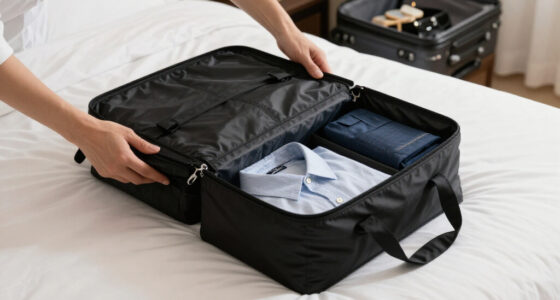
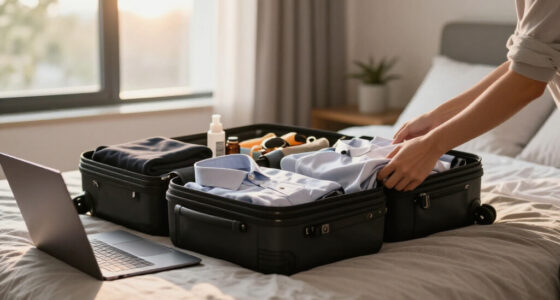
Maximize every inch of your weekender bag by rolling clothes instead of folding. Rolling not only saves space—up to 30%—but also minimizes wrinkles, which is crucial for looking polished after a short trip. Using packing cubes further enhances this efficiency by compartmentalizing your items, making it easier to find what you need without unpacking everything. For example, dedicating one cube for underwear and socks, another for shirts, and a third for accessories keeps your bag organized and speeds up your morning routine. Choosing versatile clothing—such as neutral tops that can be dressed up or down—means you can create multiple outfits with fewer pieces. This approach reduces the volume of your packing and allows you to adapt to different occasions without overpacking. The implication here is that thoughtful organization and versatile choices not only save space but also reduce decision fatigue, making your travel experience smoother and more enjoyable.
As an affiliate, we earn on qualifying purchases.
Pick Exactly What to Pack for 2 Perfect Days
In a 2-day trip, less truly is more. Focus on essentials to keep your bag light and your mind clear. Packing two outfits—perhaps a casual look for daytime and a smarter ensemble for dinner—allows flexibility while avoiding excess clothing. Including sleepwear, underwear, and a lightweight jacket ensures you’re prepared for different scenarios, especially if weather conditions change unexpectedly. Selecting clothing that can be layered and mixed-and-matched extends your wardrobe options without increasing volume. Additionally, packing toiletries in travel-sized bottles and chargers for your devices ensures you have everything necessary without clutter. The key is to think about the activities planned and the weather forecast, then pack accordingly. The tradeoff here is balancing preparedness with minimalism—overpacking can lead to unnecessary bulk, while underpacking might leave you unprepared for minor surprises. Strategic selection ensures you’re ready for your trip’s needs without carrying superfluous items.
versatile travel clothing for short trips
As an affiliate, we earn on qualifying purchases.
As an affiliate, we earn on qualifying purchases.
Organize with Packing Cubes and Lists
Packing cubes are essential tools for maintaining order in your bag. They allow you to categorize items—clothing, toiletries, accessories—and access them quickly, saving time and frustration. For example, if you need a specific shirt or pair of socks, you can find it without rummaging through your entire bag. Keeping travel documents and chargers in external or easily accessible pockets ensures they’re ready when needed, preventing last-minute searches. Creating a checklist before packing is vital because it ensures you don’t forget critical items, especially when space is limited. For a short trip, a checklist might include underwear, socks, tops, bottoms, toiletries, chargers, and weather-appropriate layers. Double-checking this list before sealing your bag minimizes the risk of leaving behind essentials. The tradeoff of not organizing is chaos—disorganized packing leads to wasted time, forgotten items, and increased stress, which can diminish the enjoyment of your trip. Proper organization turns packing into a strategic process, enhancing your overall travel experience.
compact toiletry bottles for travel
As an affiliate, we earn on qualifying purchases.
As an affiliate, we earn on qualifying purchases.
Select the Right Bag That Fits Airline Rules
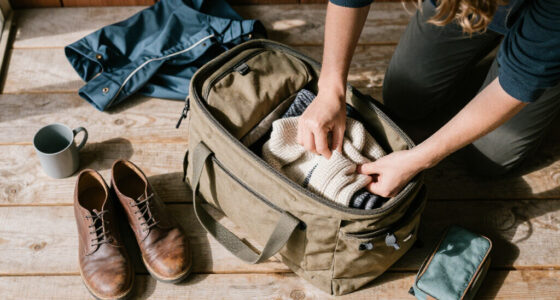
Your bag size matters more than you might think. A typical weekender should be around 20-30 liters because it strikes a balance between capacity and portability. Bags that are too large may incur extra fees or be rejected at the gate, while bags that are too small might not fit all essentials. For example, a 22-liter soft-sided duffel measuring about 20 x 10 x 8 inches is generally accepted by most airlines for carry-on luggage. Comparing options like the BagOK Weekender Lite, which is designed specifically for short trips, helps you choose a bag that meets airline restrictions and matches your style. Always verify dimensions with your airline’s specific rules—most allow carry-ons up to 22 x 14 x 9 inches—since exceeding these limits can lead to inconvenience or extra charges. The tradeoff between size and capacity is key: a bag that’s too small may force you to leave behind necessities, while one too large undermines your goal of travel light. Picking the right bag ensures compliance, convenience, and peace of mind during your journey.
As an affiliate, we earn on qualifying purchases.
Keep Clothes Wrinkle-Free and Ready to Wear
Rolling clothes is not only space-efficient but also a practical way to keep your outfits wrinkle-free, especially if you pack carefully. For delicate items such as silk blouses or dress shirts, placing tissue paper between layers before rolling helps prevent creases and maintains a crisp appearance. Packing a small travel steamer or wrinkle-release spray can be a game-changer, allowing you to quickly refresh your clothes upon arrival. This is especially valuable if you’re attending events or meetings right after landing. Imagine arriving at your hotel, unzipping your bag, and pulling out perfectly pressed, wrinkle-free outfits—no ironing board or additional fuss required. The tradeoff here is that improper packing or neglecting to take care of fabric can result in wrinkled clothes, which might require additional time to fix or impact your professional appearance. Practical tips like using tissue paper and having a portable steamer ensure your clothes look their best, saving you time and effort during your trip.
Prepare for Weather and Unexpected Changes
Weather can be unpredictable, especially during short trips, and preparing for it demonstrates foresight and adaptability. Always check the forecast before packing; if rain is likely, including a compact umbrella or rain jacket ensures you stay dry without overloading your bag. Layering is key—packing a lightweight sweater or scarf allows you to adjust your outfit easily as temperatures fluctuate. For example, if rain is forecasted on your Saturday plans, packing a small foldable umbrella and an extra layer like a cardigan can keep you comfortable. The tradeoff is that over-packing for weather can add unnecessary bulk, but under-preparing risks discomfort or inconvenience. Balancing the two, by packing versatile layers and weather-specific items, allows you to adapt seamlessly to changing conditions while keeping your bag manageable. This foresight minimizes stress and keeps you comfortable regardless of surprises, making your trip smoother and more enjoyable.
Final Tips to Pack Light and Smart
Prioritizing clothing that can be layered and mixed is essential for maximizing your packing efficiency. Limiting footwear to one versatile pair—such as sneakers that work for both walking and casual dinners—reduces bulk and simplifies choices. Keeping toiletries minimal by using travel-sized bottles and only the essentials prevents unnecessary weight and clutter. Think about the activities planned, and pack accordingly—this focus ensures you have everything necessary without overpacking. Remember, a well-packed bag not only makes airport navigation easier but also allows you to enjoy your activities without feeling weighed down or overburdened. The tradeoff of overpacking is extra weight and hassle, while underpacking might leave you unprepared. Strategic packing—considering both your needs and your bag’s capacity—ensures a stress-free, enjoyable trip. Planning ahead and packing smart makes a significant difference in how smoothly your short getaway unfolds.
Frequently Asked Questions
What should I pack for a 2-day trip?
Stick to two outfits—one casual day look and one for evening—plus sleepwear, underwear, toiletries, chargers, and weather-appropriate layers. Keep it simple, light, and versatile.
How do I pack efficiently without forgetting anything?
Create a checklist tailored to your trip and use packing cubes to organize. Double-check essentials like chargers, documents, and toiletries before sealing your bag.
What if the weather changes unexpectedly?
Pack a small, foldable umbrella or rain jacket, and include a couple of layered clothing options. These small adjustments keep you comfortable regardless of surprises.
How can I pack light but still be prepared?
Choose multi-use clothing pieces, limit footwear to one versatile pair, and pack only essential toiletries. Focus on layers that can adapt to different conditions.
What are the best types of bags for a weekend trip?
Look for soft-sided duffels or carry-on suitcases around 20-30 liters. They fit airline size limits and are easy to carry, making your trip seamless.
Conclusion
Smart packing turns a small weekender bag into a travel companion that’s efficient, organized, and stress-free. Focus on versatile clothing, organized packing, and knowing your bag’s limits.
Next time you pack for a quick trip, picture yourself breezing through airports and hotel check-ins. Less clutter, less stress, more adventure—your perfect 2-day trip starts with the right pack.
Halloween Picks
halloween
As an affiliate, we earn on qualifying purchases.