
TL;DR

Get travel and outdoor gear delivered free with Prime
- Fast, free delivery on millions of items
- Prime Video, Amazon Music and more included
- Member-only deals all year
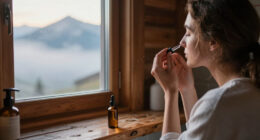
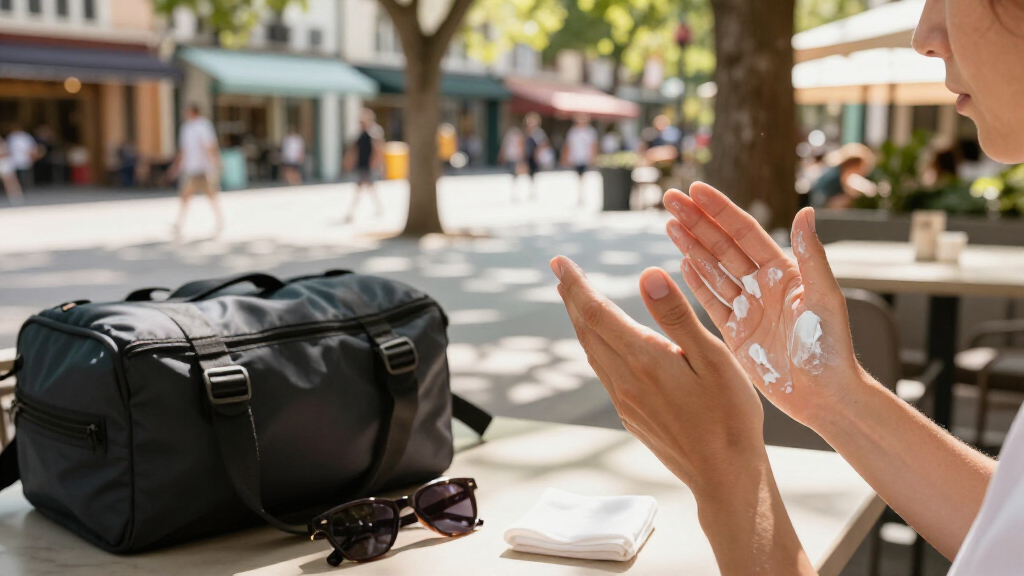
A growing cultural shift emphasizes constant self-presentation and appearance improvement. This trend impacts personal routines, social interactions, and industry markets, reflecting changing societal values.
The trend of ‘always looking your best’ has become a defining feature of modern lifestyle culture, with more individuals prioritizing appearance and self-presentation than ever before. This shift, driven by social media, influencer culture, and changing societal standards, is influencing personal routines, consumer behavior, and social expectations across the globe. Experts say this trend reflects deeper societal values around self-image and success, making it a significant cultural development.
Recent observations indicate that a growing number of people are adopting daily routines focused on appearance enhancement, including regular skincare, fitness, and fashion investments. Social media platforms like Instagram and TikTok amplify this behavior, with influencers and celebrities setting high standards for beauty and style. According to analysts, this has led to an increased demand for beauty products, personal grooming services, and fashion items. The trend is also evident in workplace culture, where professional appearance is increasingly linked to career success, and in social settings where appearance often influences social standing.
Market research shows that the beauty industry has seen sustained growth, with some sectors expanding at double-digit rates over the past five years. Companies are tailoring products and marketing strategies to meet the demand for quick, visible results. Meanwhile, lifestyle apps and online communities promote routines aimed at maintaining an always-polished appearance. Experts note that this obsession with appearance extends beyond superficial concerns, reflecting a broader cultural shift towards valuing self-presentation as a key aspect of personal identity and social capital.
The Shift Towards Always Looking Your Best
Constant self-presentation is becoming a daily lifestyle system. Social media, workplace expectations, and fast-moving beauty markets are turning appearance from an occasional concern into a continuous form of identity and social capital.
Prominence continues to rise across digital and physical life.
Social media, influencer culture, and changing success signals.
Appearance expectations now travel across multiple contexts.
Personalization and virtual presentation may deepen the trend.
What is powering the polished-life ideal?
The focus on appearance is not new. What has changed is its frequency, visibility, and reach: smartphones create an always-on audience, while products and services make continuous refinement feel both possible and expected.
Social media sets the pace
Instagram, TikTok, influencers, and celebrities circulate highly curated beauty and style standards at remarkable speed.
Routines become identity
Skincare, fitness, grooming, and fashion purchases increasingly function as visible proof of discipline and self-investment.
Appearance signals readiness
In some workplaces, a polished image is increasingly associated with competence, confidence, and career potential.
Speed becomes a selling point
Brands emphasize convenience, personalization, and quick visible results for routines that must fit into daily life.
Everyone can participate
Digital tools have broadened access to self-presentation while simultaneously intensifying comparison and competition.
Home and screen converge
At-home grooming and video-based interaction helped embed appearance management into ordinary domestic routines.
How a beauty standard becomes a lifestyle
Repeated exposure, social feedback, and commercial convenience form a self-reinforcing cycle. Each stage strengthens the perceived value of looking consistently polished.
Curated images
Idealized looks appear continuously across feeds and media.
Standards rise
Users assess their appearance against highly polished references.
Habits expand
More time and money move into grooming, fitness, and fashion.
Approval rewards
Likes, compliments, and professional signals reinforce the effort.
Polish feels required
The enhanced presentation becomes the new everyday baseline.
One trend, competing outcomes
Appearance investment can support confidence and healthy routines, yet the same behavior can become costly or psychologically demanding when personal worth is tied too closely to presentation.
| Area | Potential benefit | Potential cost | Current signal |
|---|---|---|---|
| Personal routines | ✓ Greater structure, care, and motivation | ✗ Perfectionism and time pressure | ~ Highly dependent on balance |
| Mental health | ✓ Confidence and creative expression | ✗ Anxiety, comparison, and body-image strain | ~ Long-term effects remain unclear |
| Social interaction | ✓ Belonging and stronger first impressions | ✗ Superficial judgments and status pressure | ~ Appearance carries more social weight |
| Workplace culture | ✓ Presentation may support confidence | ✗ Unequal standards and appearance bias | ~ Polish is increasingly linked to success |
| Consumer markets | ✓ Innovation and personalized options | ✗ Financial strain and constant upgrading | ~ Demand remains strong |
Where the pressure concentrates
This qualitative view reflects the relative prominence described across the trend: digital visibility and everyday routines lead, while long-term psychological outcomes remain the least settled area.
Influence map
Relative cultural prominence based on the reported trend narrative, not a numerical market survey.
The healthy-balance spectrum
Appearance habits are most sustainable when they support well-being without becoming the sole source of worth.
- Diversify self-worth: value skills, relationships, character, and contribution.
- Audit the routine: notice when enjoyment becomes obligation.
- Curate feeds: seek realistic and varied representations of beauty.
- Protect resources: set boundaries for time, spending, and comparison.
From technology to social capital
The broader cultural shift can be traced through a connected chain: platforms shape attention, attention shapes routines, and routines influence markets, expectations, and identity.
Personalized beauty systems, augmented self-presentation, and virtual appearance tools are likely to expand. The counterforce will be a growing conversation about mental health, authenticity, inclusion, and the right to appear imperfect.
What to watch next
The trend is likely to persist, but its cultural meaning is still being negotiated. The central issue is whether new tools will broaden self-expression or intensify the expectation of permanent perfection.
Why is appearance more important now?
Digital connectivity makes self-presentation continuous, visible, and increasingly relevant to both social and professional impressions.
How is industry responding?
Brands are expanding products, treatments, services, and digital tools built around personalization, convenience, and rapid results.
Will the trend continue?
Most signals point toward persistence as social platforms and beauty technology evolve, although mental-health awareness may moderate future standards.
What remains uncertain?
Researchers are still examining whether sustained appearance focus ultimately strengthens self-esteem or deepens insecurity and anxiety.
Impacts of the Constant Self-Image Cultivation
This trend matters because it influences individual behavior, mental health, and societal norms. While it can motivate people to adopt healthier habits and boost confidence, experts also warn of potential negative effects, such as increased anxiety, self-esteem issues, and financial strain. The emphasis on appearance may reinforce superficial standards, impacting how success and worth are perceived in society. Understanding this shift helps contextualize ongoing changes in consumer markets, workplace expectations, and social interactions.
skincare routine kit for daily maintenance
As an affiliate, we earn on qualifying purchases.
As an affiliate, we earn on qualifying purchases.
Cultural Roots and Evolution of Appearance Norms
The focus on appearance is not new, but recent decades have seen a dramatic intensification, fueled by the rise of social media and digital culture. In the early 2000s, celebrity-driven beauty standards began influencing broader populations, but today’s platforms enable anyone to participate in self-presentation as a form of social currency. The COVID-19 pandemic also played a role, with more people adopting at-home grooming routines and online self-presentation. Over time, these behaviors have become ingrained in daily life, shaping societal expectations around beauty and success.
This evolution reflects a shift from traditional notions of beauty tied to age and class to a more democratized, yet intensified, pursuit of perfection. Industry experts note that this has led to a booming market for cosmetic procedures, fitness programs, and fashion, all aimed at helping individuals maintain a polished appearance at all times.
professional grooming kit for men and women
As an affiliate, we earn on qualifying purchases.
As an affiliate, we earn on qualifying purchases.
Unclear Long-Term Psychological Effects
While the trend’s growth is evident, it is still unclear how sustained focus on appearance will affect mental health long-term. Experts warn of potential increases in anxiety, body image issues, and social pressure, but comprehensive studies are ongoing. It remains uncertain whether this cultural shift will lead to healthier self-esteem or exacerbate insecurities.
anti-aging facial serum for instant results
As an affiliate, we earn on qualifying purchases.
As an affiliate, we earn on qualifying purchases.
Future Directions in Appearance Culture
Experts predict that as technology advances, personalized beauty solutions and virtual self-presentation tools will become more prevalent. There may also be increased awareness and dialogue around mental health implications, potentially leading to more balanced approaches. Monitoring how societal standards evolve and how industries adapt will be key to understanding the full impact of this trend in the coming years.
compact travel makeup mirror with LED
As an affiliate, we earn on qualifying purchases.
As an affiliate, we earn on qualifying purchases.
Key Questions
Why is the focus on appearance increasing now?
The rise of social media, influencer culture, and digital connectivity has amplified the importance of self-presentation, making appearance a key aspect of social and professional success.
Are there negative effects associated with this trend?
Potential negative effects include increased anxiety, self-esteem issues, and financial pressure. Experts caution about the mental health implications of constantly striving for perfection.
How is the beauty industry responding to this trend?
The industry is expanding rapidly, offering more products, treatments, and digital tools aimed at quick, visible appearance enhancements tailored for daily use.
Will this trend continue to grow?
Most analysts believe the trend will persist as technology and social media evolve, but the societal conversation around mental health may influence future behaviors and standards.
What can individuals do to maintain healthy self-esteem?
Experts recommend balancing appearance efforts with self-care, seeking diverse sources of self-worth, and being mindful of the psychological impacts of social media use.
Source: rss
Fall Picks
fall essentials
As an affiliate, we earn on qualifying purchases.