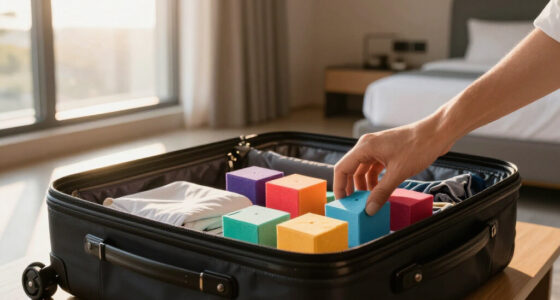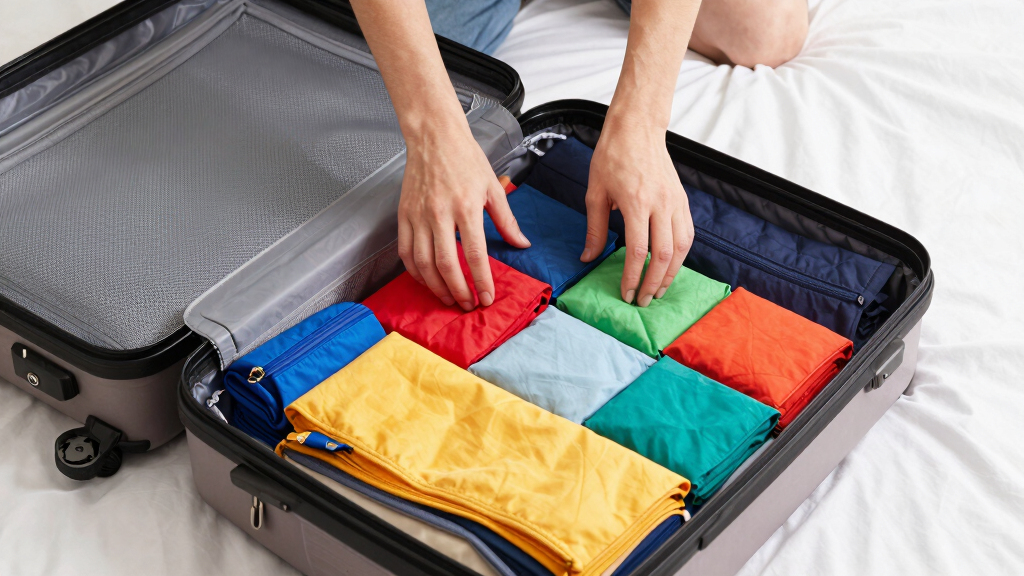

TL;DR

Get travel and outdoor gear delivered free with Prime
- Fast, free delivery on millions of items
- Prime Video, Amazon Music and more included
- Member-only deals all year
Compression cubes cut down your packing volume by removing excess air, letting you fit more into your luggage. They improve organization and protect clothes, making long trips less stressful. Recent innovations make them more durable and eco-friendly than ever.
Imagine squeezing an extra shirt or pair of socks into your suitcase without adding weight or bulk. That’s what compression cubes do. They’re a simple tool that transforms how you pack for long trips, making space-saving effortless and organized.
Whether you’re trying to stay within airline weight limits or just want to avoid the chaos of rummaging through a cluttered suitcase, compression cubes are worth considering. They turn your luggage into a well-organized, space-efficient container—saving you stress and room for souvenirs.
Use appropriately sized compression cubes to fit your luggage dimensions and packing needs.
Combine compression cubes with rolling or other packing methods for best space efficiency.
Choose lightweight, durable, and water-resistant cubes to maximize longevity and protection.
Practice packing with compression cubes before your trip to save time and reduce stress.
Balance the space saved with the added weight of the cubes, especially for airline weight limits.
Maximizing Packing Space with Compression Cubes for Long Trips
Compression cubes remove excess air, shrink the footprint of bulky clothing, and turn an unruly suitcase into a categorized travel system. The result: more usable room, faster access, and less stress from departure to unpacking.
Typical result for compressible shirts and similar clothing.
Keep individual cube dimensions below 17.7 inches for easier fitting.
Small, medium, and large provide a practical organization baseline.
A lightweight set protects precious airline baggage allowance.
Less air. More order. Better travel.
Compression is only part of the value. Cubes also limit movement during transit, separate categories, and make it possible to retrieve one group of items without dismantling the entire suitcase.
Shrink the footprint
A secondary zipper or strap presses excess air from soft clothing, freeing room for extra layers, travel gear, or souvenirs.
Build clear zones
Keep shirts, underwear, socks, and bulky items in separate modules. You find what you need without rummaging.
Reduce shifting
Firmly contained clothes move less in transit, helping limit creases while water-resistant fabrics add a protective barrier.
Compression leads the pack
Soft, bulky garments offer the greatest opportunity. Dense objects do not compress, and no packing method changes the airline’s weight limit.
Match the cube to the cargo
Measure the usable interior of your luggage—not its external shell. A cube should sit snugly without bowing the case or forcing the compression zipper.
Detail zone
≈ 2 litersBest for underwear, socks, swimwear, cables, and accessories that otherwise disappear into suitcase corners.
Daily core
≈ 4–6 litersIdeal for rolled shirts, shorts, sleepwear, and lightweight layers used throughout a long itinerary.
Bulk control
≈ 8–10 litersUse for jeans, sweatshirts, jackets, and other bulky pieces with enough trapped air to compress effectively.
The practical long-trip formula
One cube for shirts, one for underwear and socks, and one for bulkier pieces. Too many tiny cubes create unused gaps and added weight; too few oversized cubes weaken organization.
Five moves from chaos to close
Practice the sequence before departure. Familiarity reveals which garments compress well and prevents a last-minute struggle at the zipper.
Measure the case
Record usable width, depth, and height.
Sort by category
Group similar items and separate delicates.
Roll and load
Fill evenly without bulging the walls.
Compress gradually
Guide fabric away from the zipper track.
Weigh the bag
Confirm that saved space did not add excess weight.
What modern cubes add
Recent designs focus on repeatable compression, longer service life, quicker identification, and lower-impact materials.
Integrated compression
Secondary zippers and built-in straps reduce the need to squeeze or roll the filled cube by hand.
Tear-resistant construction
Lightweight technical fabrics, reinforced seams, and stronger zipper paths withstand repeated trips.
Multi-function layouts
Laundry sections, fold-out shelves, transparent panels, and labels speed up packing and unpacking.
Recycled materials
Eco-conscious fabric options offer a more sustainable choice without automatically sacrificing durability.
Which method wins where?
The best system is often hybrid: roll suitable garments, place them inside compression cubes, and fold delicate or structured pieces separately.
| Feature | Compression cubes | Rolling clothes | Traditional folding |
|---|---|---|---|
| Space savings | ✓Up to 50% | ~About 10–20% | ✗Minimal |
| Category organization | ✓Excellent | ~Moderate | ~Moderate |
| Transit stability | ✓High | ~Medium | ✗Low |
| Moisture barrier | ✓With resistant fabric | ✗None | ✗None |
| Added gear weight | ~Usually under 200 g | ✓None | ✓None |
| Best use | Long trips and mixed wardrobes | Soft casual clothing | Structured or delicate pieces |
Pack more without pushing too far
Compression creates room, not a lighter suitcase. Use the extra capacity selectively and protect the components doing the work.
Measure first
Match cube dimensions to the real interior space.
Do not overstuff
Protect seams, zippers, and delicate garments.
Combine tactics
Roll soft items before placing them in cubes.
Practice once
Refine your routine before airport day.
Check the scale
Balance added contents against airline limits.
Usable space
Prioritize highly compressible clothing, clean category zones, and a suitcase that closes without forcing.
Total weight
An extra shirt may fit physically while still pushing the bag beyond its allowance. Weigh after every final adjustment.
Turn empty air into useful space.
Choose lightweight, durable cubes that match your luggage. Roll compatible garments, compress gradually, and preserve enough weight allowance for the journey home. The payoff is a calmer suitcase with room for what matters.
How Compression Cubes Maximize Your Luggage Space
Compression cubes literally squeeze out excess air, shrinking bulky clothing and gear into a smaller footprint. This process not only creates more space but also helps maintain a tidy packing environment. When clothes are compressed, they’re less likely to shift or become wrinkled, which is a common problem with looser packing methods. The tradeoff, however, is that over-compression can sometimes stress seams or zippers, so understanding the limits of your cubes and clothing is essential. This balance between maximizing space and preserving fabric integrity is key to effective packing.
For example, a cube holding a week’s worth of shirts can often be compressed by 40-50%, effectively doubling your packing capacity. This is particularly useful when traveling to destinations with strict luggage limits or when you want to pack light but still bring along essentials. Additionally, compressing clothes reduces their volume, which minimizes the risk of wrinkles caused by shifting during transit, thus saving you ironing time upon arrival. The ability to pack more efficiently means you can include items you might otherwise leave behind, enhancing your travel experience without sacrificing comfort or style.
Using compression cubes in conjunction with rolling clothes or packing cubes enhances this effect. Think of it as giving your suitcase a mini-makeover, turning chaos into order, and space into possibilities. The key takeaway is that compression not only saves space but also contributes to better organization and less stress during your trip.
compression packing cubes for luggage
As an affiliate, we earn on qualifying purchases.
As an affiliate, we earn on qualifying purchases.
Choosing the Right Compression Cubes for Your Trip
Size and fit are everything. Measure your luggage’s interior dimensions carefully and select cubes that fit snugly without forcing them in. Proper sizing ensures that the cubes can be fully compressed without overstressing seams or zippers, which could lead to damage over time. For carry-on luggage, look for cubes under 45 cm (17.7 inches) in each dimension, as larger sizes might not fit or could cause issues with airline restrictions. The choice of size impacts how well you can organize your belongings—smaller cubes are ideal for accessories and underwear, while larger ones are better for bulkier clothing.
Popular sizes include small (~2 liters), medium (~4-6 liters), and large (~8-10 liters). For a typical long trip, having a set of three allows you to categorize items efficiently: one for shirts, one for underwear and socks, and a larger one for bulkier items like jeans or jackets. However, consider the tradeoff between the number of cubes and the total space they occupy; too many small cubes can create clutter, while too few large ones may limit organization options.
Weight matters, too. A set of lightweight, durable cubes weighing under 200 grams (7 ounces) can save you precious grams on the plane, especially when every ounce counts. Check that zippers and seams are reinforced—weak points can lead to tearing, which compromises your investment. Additionally, eco-friendly options made from recycled materials are increasingly popular, offering sustainability without sacrificing durability. Investing in high-quality, well-made cubes ensures they last for many trips, making the initial cost worthwhile in the long run.
Ultimately, the right choice balances size, weight, durability, and eco-friendliness based on your specific travel needs and luggage constraints. A thoughtful selection process can make packing more efficient and less stressful every time.
water-resistant compression cubes set
As an affiliate, we earn on qualifying purchases.
As an affiliate, we earn on qualifying purchases.
Latest Tech and Trends in Compression Cubes
Recent advances make compression cubes more robust, eco-friendly, and user-friendly. For instance, some now feature built-in compression straps or zippers that allow manual compression—no more squeezing or rolling with your hands. These innovations enhance convenience, especially for travelers who prefer quick, effortless packing adjustments. Materials have also improved; modern fabrics are lightweight, tear-resistant, and water-repellent, which means your cubes can withstand rough handling, wet weather, and repeated use without falling apart. This durability reduces the need for replacement and supports sustainable travel habits.
Design-wise, multi-functional cubes include laundry compartments, fold-out shelves, or nested sets that maximize packing efficiency. They blend form and function, making long trips more manageable and less stressful. For example, some cubes now incorporate transparent panels or labels, facilitating quick identification of contents—saving time at security checks or when unpacking. Additionally, more brands are offering eco-conscious options, aligning with travelers’ desire to reduce their footprint without sacrificing durability. These innovations demonstrate a shift toward smarter, more sustainable travel gear that adapts to the evolving needs of modern travelers.
lightweight travel compression cubes
As an affiliate, we earn on qualifying purchases.
As an affiliate, we earn on qualifying purchases.
Practical Tips for Using Compression Cubes Like a Pro
- Measure first: Know your luggage’s interior volume to pick the right cubes. This prevents overstuffing or underutilizing space, ensuring your packing is both efficient and safe.
- Don’t overstuff: Avoid overloading cubes to prevent zipper or seam damage. Overstuffing can compromise the structural integrity of the cube, leading to tears or broken zippers that ruin your packing system.
- Combine tactics: Use rolling, packing cubes, and compression cubes together for maximum efficiency. Combining methods allows you to tailor your packing to different clothing types and trip durations, enhancing both space and organization.
- Practice: Pack a few times before your trip to streamline your routine and avoid surprises at the airport. Familiarity with your packing system reduces stress and helps you maximize space and protection.
- Mind the weight: Remember, the cubes themselves add weight—balance space savings with weight limits. Choosing lightweight cubes ensures you don’t inadvertently push your luggage over weight restrictions, which can incur extra fees.
Imagine packing for a two-week beach vacation. You use compression cubes to fit swimsuits, cover-ups, and shorts into a 20-liter bag. After compression, your suitcase is not only lighter but also easier to zip closed without cramming, making your packing process smooth and efficient.
large capacity packing cubes for long trips
As an affiliate, we earn on qualifying purchases.
As an affiliate, we earn on qualifying purchases.
Comparison: Compression Cubes vs Traditional Packing Methods
| Feature | Compression Cubes | Rolling Clothes | Traditional Packing |
|---|---|---|---|
| Space Savings | Up to 50% reduction in volume | 10-20% reduction | Minimal, depends on folding skill |
| Organization | Excellent; compartments keep items tidy | Moderate; rolls can shift | Variable; often messy |
| Protection | High; water-resistant fabrics protect clothes | Low; no protective barrier | Low; folds can crease easily |
| Ease of Unpacking | Quick; just unzip and grab | Moderate; unroll or fold | Slow; often unorganized |
Choosing the right method depends on your priorities—space, organization, or ease. But when maximum compression and protection matter, cubes are hard to beat. Their ability to keep items secure, reduce clutter, and simplify unpacking can significantly improve your travel experience, especially on longer trips where organization and efficiency are crucial.
Frequently Asked Questions
Do compression cubes really save space?
Yes, they can reduce your clothing volume by up to 50%, making it easier to pack more in less space. This is especially useful for long trips where maximizing luggage capacity counts.
Are compression cubes worth the investment?
Definitely, if you travel frequently or pack for extended stays. They help keep your belongings organized, protect clothes, and free up space—saving you hassle and possibly baggage fees.
How do I pick the right size and number of cubes?
Measure your luggage’s interior and consider your packing list. A set of small, medium, and large cubes usually covers most needs without overloading your bag.
Can compression cubes damage delicate clothing?
With careful use, no. Avoid over-compressing fragile fabrics and give delicate items gentle handling to prevent wrinkles or damage.
Are eco-friendly options available?
Yes, many brands now offer compression cubes made from recycled or sustainable fabrics, combining function with eco-consciousness.
Conclusion
Compression cubes aren’t just a neat trick—they’re a smart, effective way to turn a cramped suitcase into a spacious, organized wardrobe. They make long trips less stressful and more enjoyable, giving you more room for what matters.
Next time you pack, think of your suitcase as a puzzle. Compression cubes are the missing piece that helps you fit everything perfectly. Ready to pack smarter and travel lighter? Your suitcase will thank you.
Halloween Picks
halloween
As an affiliate, we earn on qualifying purchases.