TL;DR
Listen free for 30 days with Audible
Thousands of audiobooks and originals — cancel anytime.
Start your free trialAs an affiliate, we earn on qualifying purchases.
Overpacking adds weight, costs, and stress. Using techniques like capsule wardrobes, packing cubes, and the 5-4-3-2-1 rule helps you pack smarter, not harder. Planning for laundry and sticking to essentials keeps your bag manageable and your trip enjoyable.
Ever crammed your suitcase so full you could barely close it? Or come home with a bag bursting at the seams, half the items untouched? Overpacking isn’t just a waste of space — it’s costly, stressful, and often unnecessary. The good news? You don’t need to sacrifice your style or comfort to travel light. With a few smart techniques, you can pack just enough for your trip — and maybe even enjoy the process.
This guide is all about practical, measurement-driven strategies that help you avoid lugging around extra weight and volume. From capsule wardrobes to packing cubes, I’ll show you how to make every inch count. Ready to ditch the excess and travel smarter? Let’s get started.
Build a capsule wardrobe with versatile, mix-and-match pieces in a coordinated palette to cut clothing volume.
Follow the 5-4-3-2-1 rule for a balanced, lightweight packing list that covers all essentials without excess.
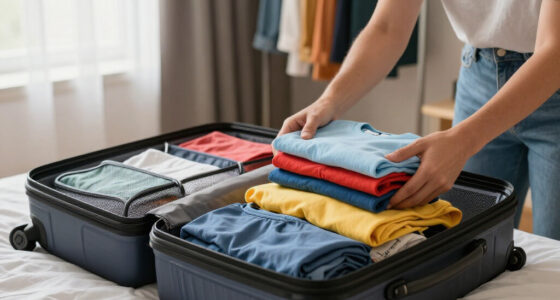
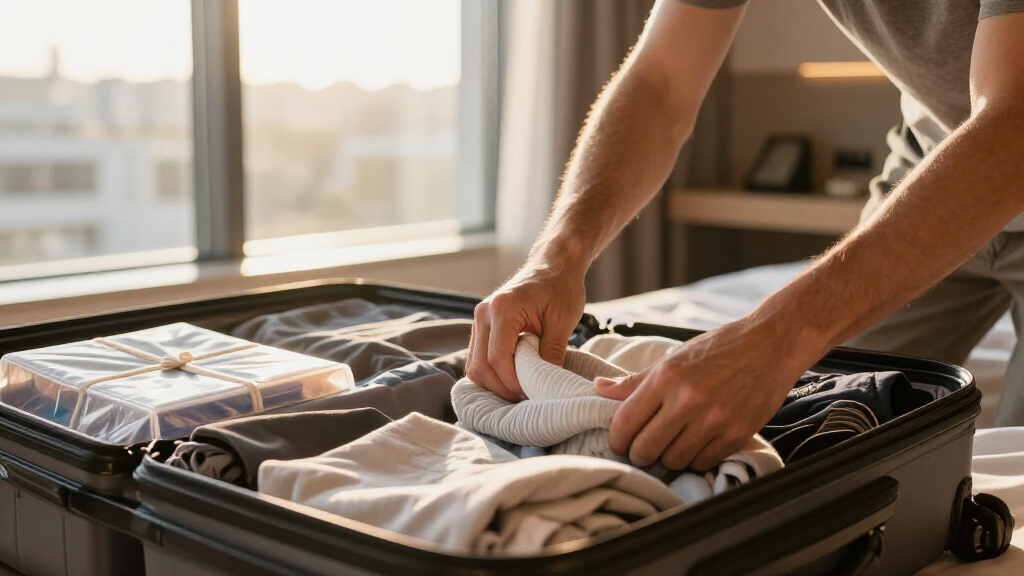
Use packing cubes or rolling to organize and compress clothes, but avoid overstuffing with compression bags.
Limit yourself to 2-3 pairs of shoes, wearing the bulkiest during travel to save space.
Plan for laundry during your trip — quick-dry fabrics and sink washes can cut your clothing needs in half.
How to Build a Capsule Wardrobe That Eliminates Overpacking
Creating a capsule wardrobe is the single most effective way to cut down on excess clothing. Pick versatile pieces in a coordinated color palette — think navy, white, and gray. Each top should pair easily with every bottom, so you only need a handful of items for dozens of outfits.
For example, pack five tops, three bottoms, and a couple of layers. A classic white shirt, a navy tee, a striped blouse, and two pairs of pants — one casual, one slightly dressier. This setup lets you mix and match without doubling your luggage.
Imagine you’re heading to Europe for a week. Instead of packing ten different shirts, you choose five that work with all your pants and skirts. This approach saves space and reduces decision fatigue.
Beyond space savings, developing a capsule wardrobe encourages mindful packing. It forces you to consider whether each item is truly necessary, which can help you avoid impulse overpacking. The tradeoff? It may limit your outfit variety slightly, but the gain in ease and efficiency often outweighs this restriction. A well-curated capsule also reduces decision fatigue during your trip, making mornings simpler and your overall experience more relaxed.
According to BagsOK, a well-curated capsule wardrobe can shrink your packing volume by up to 60%, making your bag lighter and your options endless.
As an affiliate, we earn on qualifying purchases.
Master the 5-4-3-2-1 Packing Rule for a Leaner Bag
The 5-4-3-2-1 rule is your simple blueprint for packing efficiently for a week-long trip. Pack 5 tops, 4 bottoms, 3 pairs of shoes, 2 layers or dresses, and 1 hat or accessory. This framework prevents the classic overstuffing of your suitcase.
By adhering to this rule, you consciously limit your choices, which helps prevent the temptation to pack unnecessary extras. It also encourages thoughtful selection—each item must serve multiple purposes or be versatile enough to maximize outfit options. The tradeoff? While you might sacrifice some variety, the benefit is a streamlined, manageable bag that simplifies travel logistics and reduces stress. Less clutter means less time spent unpacking and repacking and fewer opportunities to forget essentials.
Research indicates that following such rules reduces overpacking by 70%, especially when combined with planning outfits ahead of time. This disciplined approach fosters intentional packing, which directly impacts travel comfort and efficiency.
As an affiliate, we earn on qualifying purchases.
Compare Packing Techniques: Rolling, Folding, and Compression
| Technique | Pros | Cons |
|---|---|---|
| Rolling | Maximizes space, reduces wrinkles, good for casual clothes | Less effective for structured garments like blazers |
| Folding | Better for dress shirts, suits, or items prone to creasing | Uses more space, can cause wrinkles if not done carefully |
| Compression Bags | Squashes bulky items, saves significant space | Can tempt you to pack more, may cause overstuffing |
For example, a bulky sweater can be rolled tightly or compressed using a vacuum bag. While compression bags can free up space, they can also encourage overpacking because they give the illusion of more space. The key is to use these tools wisely—prioritize rolling for casual, soft items, and use compression bags selectively for bulky, non-structured items. Be aware that overly aggressive compression might damage delicate fabrics or cause overstuffing, leading to a heavier, less manageable bag. The tradeoff here is between maximizing space and maintaining the integrity of your clothes; understanding this helps you make smarter packing choices.
As an affiliate, we earn on qualifying purchases.
Frequently Asked Questions
How do I pack for a two-week trip in a carry-on?
Focus on a capsule wardrobe of versatile pieces, follow the 5-4-3-2-1 rule, and plan to do laundry. Stick to quick-dry fabrics and limit shoes to two pairs. This way, you can fit everything into a single carry-on.Should I roll or fold my clothes?
Rolling clothes saves space and reduces wrinkles for most casual garments, making it a favorite for travel. Fold structured items like shirts or blazers for neatness. Use packing cubes to keep things organized regardless of your choice.Are packing cubes worth it?
Packing cubes help organize your clothes, compress items, and make unpacking easier. They don’t necessarily save space on their own, but combined with rolling, they keep your bag tidy and accessible.How do I pack light but still have outfit variety?
Choose a neutral color palette, mix and match tops and bottoms, and add one or two statement accessories. Planning outfits ahead and sticking to essentials reduces the temptation to overpack for ‘just in case.’ This thoughtful approach ensures you have outfit options without the bulk.What are the best fabrics for travel clothing?
Opt for quick-dry, odor-resistant fabrics like merino wool, nylon blends, or polyester. These materials allow you to re-wear items without washing daily, keeping your luggage light and fresh. Understanding fabric properties helps you select clothes that serve multiple purposes and last longer, reducing the need for excess clothing.As an affiliate, we earn on qualifying purchases.
Conclusion
Smart packing isn’t just about fitting more into less — it’s about packing only what truly matters. Focus on versatile clothing, limit your shoes, and plan for laundry. Your backpack or suitcase will thank you — and so will your shoulders.
Next trip, challenge yourself to pack lean. It’s a simple change that transforms travel from chaos to clarity. Ready to pack lighter and travel freer?
NFL season / tailgating Picks
team gear
As an affiliate, we earn on qualifying purchases.