TL;DR

Get travel and outdoor gear delivered free with Prime
- Fast, free delivery on millions of items
- Prime Video, Amazon Music and more included
- Member-only deals all year
Phone-connected luggage trackers use Bluetooth and GPS to help you find your bags quickly. They range from simple Bluetooth tags to advanced GPS devices, offering peace of mind for frequent and occasional travelers alike.
Select a tracker based on your travel distance and environment: Bluetooth for nearby, GPS for long-range.
Prioritize durability and water resistance if your trips involve rain, beaches, or rough handling.
Community-based crowd GPS networks like Apple’s Find My significantly improve luggage recovery chances.
Always verify airline policies on batteries before flying with tracking devices.
Secure your location data with encryption and strong app protections to maintain privacy.
Top Phone-Connected Luggage Trackers for Peace of Mind
Turn a missing-bag nightmare into a manageable search. Modern trackers use nearby Bluetooth, community finding networks, GPS, or a combination of technologies to show where your luggage is—and help you act before uncertainty becomes panic.
Typical Bluetooth range before a tracker relies on participating phones in a wider community network.
Reported improvement in recovery chances with community-based networks, especially in dense urban environments.
Price varies with network access, live GPS capability, durability, subscriptions, and battery design.
Three routes back to your bag
Bluetooth excels at close-range finding. GPS covers much larger distances. Community networks bridge the gap by anonymously relaying a tag’s detected location through nearby participating phones.
Find it nearby
Affordable and energy efficient. Best for baggage carousels, hotel rooms, vehicles, or alerts when a suitcase moves beyond your phone’s direct range.
Let the crowd help
Apple Find My, Tile, and similar networks can update a lost tag’s location when another compatible device passes nearby.
Track at distance
Provides broader, potentially real-time coverage across airports or cities, but may require charging, cellular service, or a subscription.
Popular tracker comparison
Match the technology to your phone ecosystem and travel pattern. Product specifications, services, and prices can change, so confirm current details before purchasing.
| Device | Technology | Battery life | Range | Price range | Best fit |
|---|---|---|---|---|---|
| Tile Slim | Bluetooth + Tile network | About 3 years, non-replaceable on current models | Nearby Bluetooth + community finding | $25–$35 | ✓Thin luggage pockets and nearby detection |
| LugLoc | Cellular location technology | Rechargeable; usage dependent | Wide-area, network dependent | $60–$100+ | ~Travelers seeking long-distance updates |
| Apple AirTag | Bluetooth + Find My network | About 1 year, replaceable | Nearby precision features + crowd network | $29–$35 | ✓Apple users and populated destinations |
| Galaxy SmartTag2 | Bluetooth + SmartThings Find | Up to 500 days, replaceable | Nearby Bluetooth + Galaxy network | $30–$40 | ✓Samsung Galaxy users |
✓ Strong fit ~ Check service, compatibility, or subscription details ✗ Feature unavailable. Airline acceptance and battery policies should always be verified before departure.
Coverage changes the recovery strategy
A direct Bluetooth signal is ideal when you are close. Community detection becomes more useful in busy terminals and cities, while cellular GPS is designed for updates across much greater distances.
Key recovery insight
80%According to the supplied BagsOK insight, community-based tracking networks may increase lost-luggage recovery chances by up to 80%, with the greatest advantage in environments rich in participating devices.
*Coverage depends on compatible phones, cellular availability, device status, and service terms.Five features that matter in transit
The strongest tracker is not automatically the most expensive one. Prioritize the features that solve your most likely failure point: distance, dead batteries, harsh weather, unnoticed separation, or insecure access.
Coverage
Choose Bluetooth for nearby finding and broader network or GPS options for distant bags.
Battery
Balance long replaceable-cell life against the richer updates of rechargeable devices.
Durability
Water resistance and a secure attachment point help during rain, beach trips, and rough handling.
Separation
Out-of-range and movement notifications can reveal a problem before you leave the terminal.
Security
Look for encrypted location data, authenticated access, and clear privacy controls.
Pick the right tracker
Start with the journeys you actually take. A simple tag may outperform a complex GPS device if it is easier to maintain and better matched to your phone.
Map your travel
Short city breaks, long-haul flights, remote destinations, and wet outdoor trips create different coverage and durability needs.
Rank priorities
Set a budget, then rank battery life, water resistance, live updates, crowd finding, phone compatibility, and recurring fees.
Verify the fit
Confirm the app works with your phone, review privacy protections, test alerts, and check the airline’s battery rules.
Track the luggage—not the traveler
Location histories can reveal travel patterns and personal whereabouts. Choose a device with encryption, strong account protections, clear sharing controls, and unwanted-tracking safeguards. Before flying, verify current airline guidance for lithium batteries and connected devices.
Pre-flight check
- Replace or recharge the battery before departure.
- Enable separation alerts and lost mode.
- Confirm Bluetooth, location, and app permissions.
- Test the tracker inside the packed suitcase.
- Record the device ID and airline bag-tag number.
- Review airline battery and smart-luggage rules.
How Phone-Connected Luggage Trackers Actually Keep Your Bags Safe
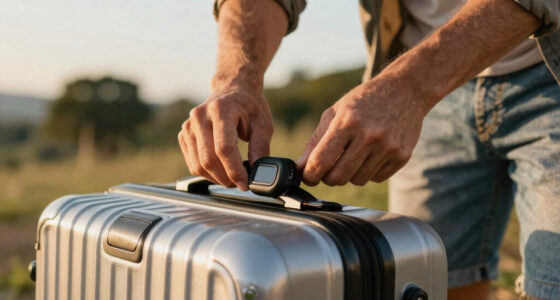
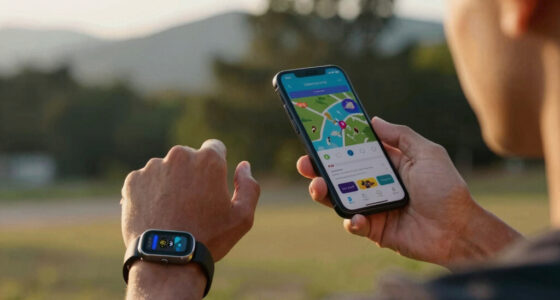
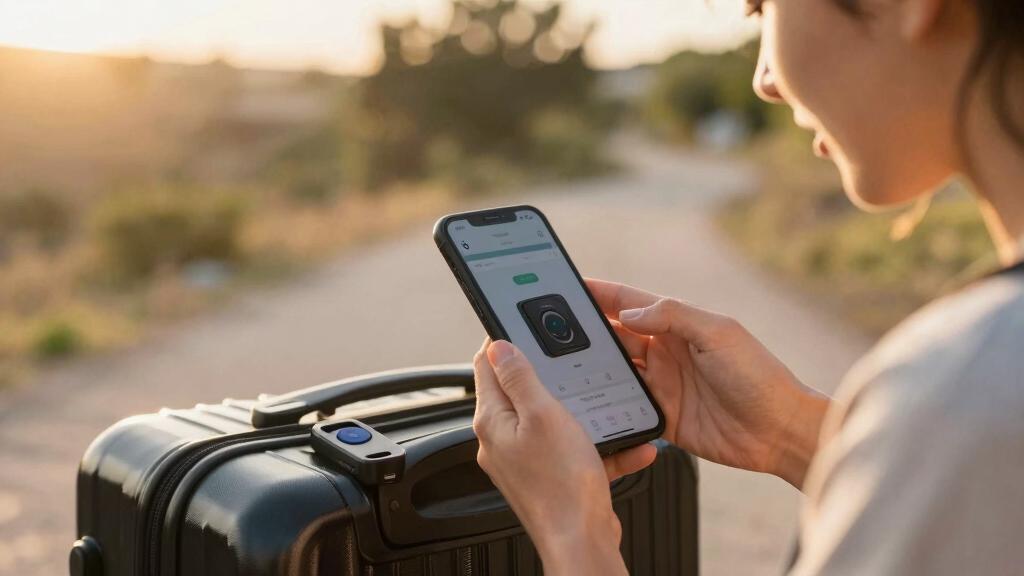
Phone-connected luggage trackers use Bluetooth, GPS, or both to tell you where your bag is. Bluetooth trackers are simple and cheap, ideal for nearby detection. GPS trackers provide real-time updates over larger areas, perfect for airports or city travel.
For example, a GPS tracker like LugLoc can show you your luggage’s exact location within seconds, even if it’s across the terminal. Bluetooth devices like Tile Mate rely on your phone’s proximity, alerting you when you’re close or if your bag moves out of range.
Choosing between them depends on your travel habits: local vs. long-distance, frequent vs. occasional. The key is understanding what each technology can do for you.
As an affiliate, we earn on qualifying purchases.
What to Look for in a Phone-Connected Luggage Tracker
Not all trackers are built the same. Some features make a big difference in real-world use:
- Tracking Range: Bluetooth trackers work up to 200 feet; GPS trackers cover entire airports or cities.
- Battery Life: Some last months, others only days. Consider if you want replaceable or rechargeable batteries.
- Durability: Look for water-resistant models that can survive bumps, rain, or rough handling.
- Additional Alerts: Separation notifications or crowd GPS can alert you if your luggage moves unexpectedly.
- App Security: Ensure location data is encrypted to protect your privacy.
Understanding these features helps you select a tracker that aligns with your travel needs. For instance, a long-lasting, water-resistant GPS tracker can be invaluable during outdoor adventures or long trips where you need consistent updates without frequent battery changes. Conversely, city travelers might prioritize crowd GPS features, which leverage the network of nearby devices for broader coverage. The tradeoff often involves balancing battery life, cost, and coverage to find the device that best fits your travel style.
GPS luggage tracker with community network
As an affiliate, we earn on qualifying purchases.
As an affiliate, we earn on qualifying purchases.
Comparison of Popular Phone-Connected Luggage Trackers
| Device | Technology | Battery Life | Range | Price Range | Best For |
|---|---|---|---|---|---|
| Tile Slim | Bluetooth | 1 year (replaceable) | 200 ft | $25-$35 | Nearby detection, wallet-sized |
| LugLoc | GPS | 3-6 months (rechargeable) | Global | $60-$80 | Long-distance, frequent travelers |
| Apple AirTag | Bluetooth + Find My network | 1 year (replaceable) | Up to 200 ft + crowd GPS | $29-$35 | Apple users, urban environments |
| Samsung Galaxy SmartTag+ | Bluetooth + SmartThings | up to 1 year (replaceable) | 200 ft | $30-$40 | Android users, Samsung devices |
Understanding these differences helps you match a device to your travel style. For city trips, crowd GPS like AirTag’s network can significantly improve the chances of recovery, especially in densely populated areas where many devices can contribute to locating your luggage. For longer journeys or remote destinations, a GPS tracker like LugLoc offers the advantage of real-time updates over vast distances, giving you peace of mind when you’re far from home. Weighing these tradeoffs—coverage versus convenience—ensures you pick a device that complements your travel habits and priorities.
As an affiliate, we earn on qualifying purchases.
Real-World Scenarios Show Why the Right Tracker Matters
Imagine this: You arrive at a busy airport, your flight lands late, and your luggage is nowhere to be seen. A GPS tracker can show that your bag is still on the plane or sitting at another gate. Instead of panic, you get a clear update, allowing you to coordinate with airport staff or airlines to locate it quickly. This real-time information can drastically reduce the stress and uncertainty of lost luggage.
Or picture a weekend trip to the beach. Your luggage gets caught in the rain, but your water-resistant tracker keeps working, updating you on your phone. Knowing your gear is safe despite weather conditions lets you relax and enjoy your trip without constant worry about the elements or rough handling. In both scenarios, having a suitable tracker means you can respond promptly and avoid the frustration of lost or damaged belongings.
For a family trip, a crowd GPS device can help locate a lost suitcase in a crowded terminal, saving time and reducing anxiety. These real-life examples highlight why choosing the right tracker—considering environmental factors, travel distance, and specific needs—can make a significant difference in your travel experience.
As an affiliate, we earn on qualifying purchases.
How to Pick the Perfect Luggage Tracker in 3 Easy Steps
- Identify Your Travel Patterns: Short trips or long-haul? City or beach? This helps determine whether Bluetooth or GPS is more suitable. For instance, short city trips might only require Bluetooth for nearby detection, while long international journeys benefit from GPS for broader coverage.
- Set a Budget and Priorities: Decide if you want long battery life, waterproof features, or additional smart alerts like crowd GPS. Understanding your priorities allows you to weigh the tradeoffs—paying more for longer battery or water resistance might be worthwhile if your trips are rugged or weather-dependent.
- Match Features to Needs: Use the comparison table to find a device with the right range, durability, and security features. Consider your typical environments and whether privacy protections are essential, especially if you’re carrying valuable items or traveling frequently.
For example, if you’re a frequent traveler with long layovers and outdoor excursions, investing in a GPS tracker like LugLoc with long battery life and water resistance makes sense. For occasional city trips or short vacations, a Bluetooth tracker like Tile Slim, with its affordability and simplicity, might suffice. The key is aligning your needs with your budget and understanding the implications of each feature to ensure your luggage is protected effectively.
Why Privacy and Security Should Be Part of Your Choice
Phone-connected trackers transmit your location data via the internet or Bluetooth, making security an essential consideration. Devices with strong encryption and secure app protocols help prevent unauthorized access to your sensitive information. If your location data falls into the wrong hands, it could reveal your travel patterns or personal whereabouts, posing privacy risks or even safety concerns.
Imagine losing your luggage at a busy airport. If your tracker’s data isn’t protected, someone with malicious intent could potentially track your movements or locate your belongings, leading to theft or privacy breaches. Choosing a device that encrypts your data and offers secure app access minimizes these risks, giving you peace of mind that your information stays private.
Always review the privacy policies and security features before purchasing. Investing in a tracker that prioritizes your security, especially if you travel frequently or carry valuable items, ensures your data remains protected amid the convenience of modern tracking technology.
What You Need to Know Before Traveling with a Luggage Tracker
Most trackers are allowed on planes, but some airlines restrict devices with large batteries or specific types of rechargeable batteries. Always check with your airline before travel to prevent surprises at security checkpoints. Some GPS trackers have batteries that exceed airline limits, which could lead to confiscation or the need to remove the device during screening.
For example, batteries over a certain capacity are often prohibited or require special approval. Replacing these with models that use smaller, airline-compliant batteries or opting for rechargeable units can help you avoid delays or confiscation. Additionally, consider the lifespan of the tracker’s battery; once depleted, the device becomes useless. Carrying spare batteries or choosing rechargeable models ensures your device remains functional throughout your trip.
Being aware of airline policies and battery restrictions helps you plan better, ensuring your luggage remains trackable from start to finish without security hiccups.
Frequently Asked Questions
Are luggage trackers allowed on planes?
Generally, yes. Most trackers are permitted, but check airline rules for batteries, especially if they’re large or rechargeable. Always pack them in carry-on luggage to avoid confiscation.Which tracker is best for frequent travelers?
GPS trackers like LugLoc or Trakdot are ideal for frequent travelers due to their real-time updates and longer battery life. They cover larger distances and provide peace of mind during long trips.How do crowd GPS networks improve luggage recovery?
Crowd GPS, used by Apple’s Find My or Tile, leverages other users’ devices to detect lost luggage. When your bag is near someone with the app, it updates its location, increasing chances of recovery by up to 80% in urban areas.What happens when the tracker’s battery dies?
Once the battery is dead, the device can no longer provide location updates. Regularly check and replace or recharge batteries before long trips to maintain tracking capability.How can I protect my privacy when using a luggage tracker?
Choose devices with strong encryption and secure app access. Review privacy policies and ensure your location data is protected from unauthorized access.Conclusion
A good luggage tracker turns travel stress into peace of mind. It’s not just about finding bags — it’s about reclaiming confidence, even in chaos. When you choose the right device, you’re making every trip smoother, safer, and more predictable. Your bags aren’t just luggage anymore; they’re part of your travel safety net.Halloween Picks
halloween
As an affiliate, we earn on qualifying purchases.