
TL;DR
Listen free for 30 days with Audible
Thousands of audiobooks and originals — cancel anytime.
Start your free trialAs an affiliate, we earn on qualifying purchases.
Decker has announced a new platform that revives and extends the legacy of Hypercard and classic MacOS. The platform aims to enable users to create interactive, multimedia applications with a retro-inspired interface. The development is confirmed, but details on its availability and features are still emerging.
Decker, a new platform announced in April 2024, aims to revive the legacy of Hypercard and classic MacOS by providing a modern environment for building interactive multimedia applications. The platform is designed to appeal to developers, hobbyists, and nostalgic users seeking to create and share multimedia projects with a familiar, retro-inspired interface. This development marks a significant step in blending nostalgia with contemporary software tools.
Decker was officially announced by its creators in April 2024, with the goal of offering a development environment that echoes the simplicity and creativity of Hypercard, combined with the aesthetic and functionality of classic MacOS. The platform promises a user-friendly interface, drag-and-drop scripting, and multimedia support, enabling users to build interactive documents, educational tools, and small applications.
According to Decker’s team, the platform is built on modern technology stacks, ensuring compatibility with current operating systems and hardware. They emphasize that Decker is not merely a nostalgia project but a tool designed for practical use, with features tailored for both experienced developers and newcomers. The platform is currently in closed beta, with a public release anticipated later in 2024.
While specific features have not been fully disclosed, early demonstrations suggest that Decker will include a visual programming interface, multimedia embedding, and export options to share projects easily. The team has also indicated plans to support community-driven extensions and templates, fostering an ecosystem around the platform.
Potential Impact on Nostalgic and Modern Development
Decker’s revival of Hypercard and MacOS aesthetics could influence both the nostalgic computing community and modern software development. By combining familiar design principles with contemporary technology, it may inspire new forms of multimedia creation and educational tools. The platform could also serve as an accessible entry point for beginners interested in programming and multimedia design, bridging the gap between retro appeal and practical application.
Moreover, the project signals a broader interest in revisiting classic computing paradigms, potentially sparking renewed interest in similar projects or open-source recreations. Its success could pave the way for more innovative uses of legacy interfaces in current digital environments, impacting how interactive content is designed and shared.
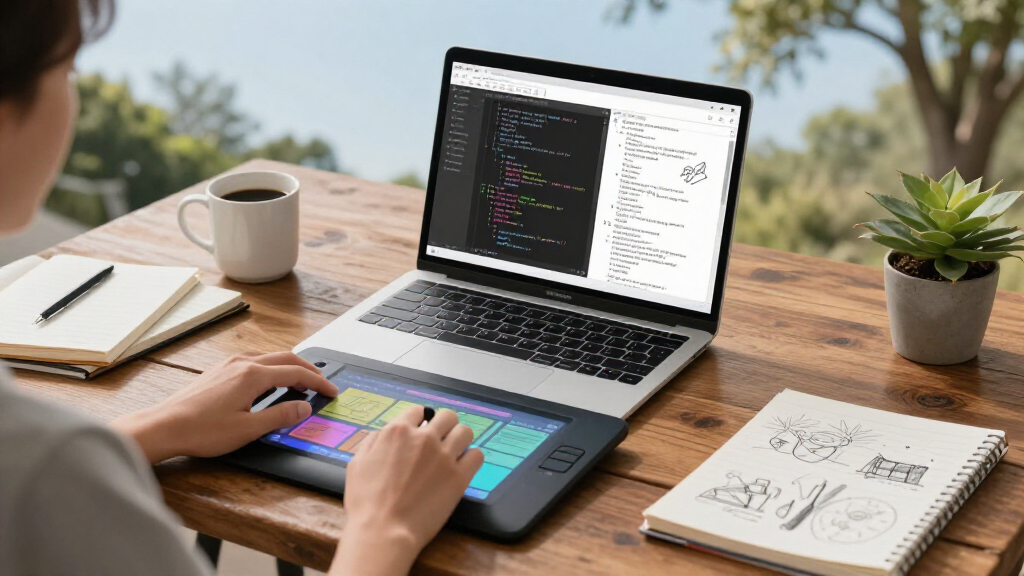
Hypercard style multimedia development software
As an affiliate, we earn on qualifying purchases.
As an affiliate, we earn on qualifying purchases.
Background of Hypercard and MacOS Revival Efforts
Hypercard, developed by Apple in the late 1980s, was a pioneering tool that allowed users to create interactive hypermedia applications through a simple, card-based interface. It gained popularity for educational purposes, prototyping, and hobbyist projects until its discontinuation in the late 1990s. Classic MacOS provided the aesthetic and operational foundation for Hypercard, emphasizing ease of use and visual interaction.
Over recent years, there has been a niche resurgence of interest in Hypercard-inspired tools, driven by developers seeking to recreate its simplicity and flexibility. Several open-source projects have attempted to emulate Hypercard’s features, but none have achieved widespread adoption. Decker’s announcement marks the first significant effort to build a comprehensive platform that explicitly combines Hypercard’s core concepts with modern technology, aiming to appeal to both nostalgic users and new audiences.
“Our goal with Decker is to bring back the creative spirit of Hypercard while leveraging the power of today’s hardware and software environments. It’s about making multimedia creation accessible and fun again.”
— Decker’s lead developer
retro MacOS interface design tools
As an affiliate, we earn on qualifying purchases.
As an affiliate, we earn on qualifying purchases.
Features, Release Date, and Ecosystem Development Still Unclear
While Decker’s concept and core features have been announced, many details remain unconfirmed. It is not yet clear when the platform will be publicly available, what specific tools and functionalities it will include, or how extensive its community support and extension ecosystem will be. The developers have indicated plans for a broader beta test, but no official timeline has been provided.
visual programming environment for multimedia projects
As an affiliate, we earn on qualifying purchases.
As an affiliate, we earn on qualifying purchases.
Upcoming Beta Release and Community Engagement Plans
Decker’s team is expected to open the platform for a closed beta later in 2024, with a broader public release to follow. They have also announced plans to host developer workshops and gather user feedback to refine features. Monitoring these developments will be key to understanding how Decker evolves and whether it meets its goal of reviving Hypercard’s creative spirit in a modern context.
As an affiliate, we earn on qualifying purchases.
Key Questions
What is Decker?
Decker is a new platform announced in April 2024 that aims to revive the legacy of Hypercard and classic MacOS by providing tools for creating interactive multimedia applications with a retro-inspired interface.
When will Decker be available to the public?
The platform is currently in closed beta, with a public release expected later in 2024. Exact dates have not yet been announced.
What features will Decker include?
Specific features have not been fully disclosed, but early demos suggest visual programming, multimedia embedding, and export options. The platform will support extensions and community templates.
Who is developing Decker?
The platform is developed by a dedicated team aiming to blend nostalgia with modern technology, emphasizing ease of use and multimedia capabilities.
How does Decker compare to other Hypercard recreations?
Decker is positioned as a comprehensive platform that combines the core concepts of Hypercard with modern tech, whereas other projects tend to be more limited or experimental. Its success will depend on its features, usability, and ecosystem support.
Source: hn
Flea & tick season Picks
flea and tick prevention
As an affiliate, we earn on qualifying purchases.