TL;DR

Get travel and outdoor gear delivered free with Prime
- Fast, free delivery on millions of items
- Prime Video, Amazon Music and more included
- Member-only deals all year
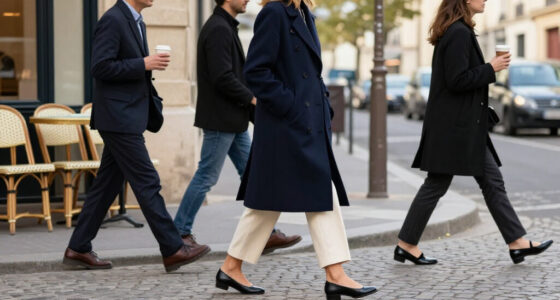
Who What Wear published a winter 2026 fashion report identifying six Scandinavian-inspired trends it describes as easy to wear: fur-trimmed longline coats, V-neck sweaters, column skirts, drawstring pouches, fringe shawls and knee-length skirts. The piece is editorial style guidance, not a report of a formal trend survey or measured consumer data.
Who What Wear has published a winter 2026 fashion report featuring six Scandinavian-inspired trends it presents as simple, polished outfit options: fur-trimmed longline coats, V-neck sweaters, column skirts, drawstring pouches, fringe shawls and knee-length skirts. The article offers styling suggestions and shopping examples; it does not report survey results or establish how widely consumers are adopting the looks.
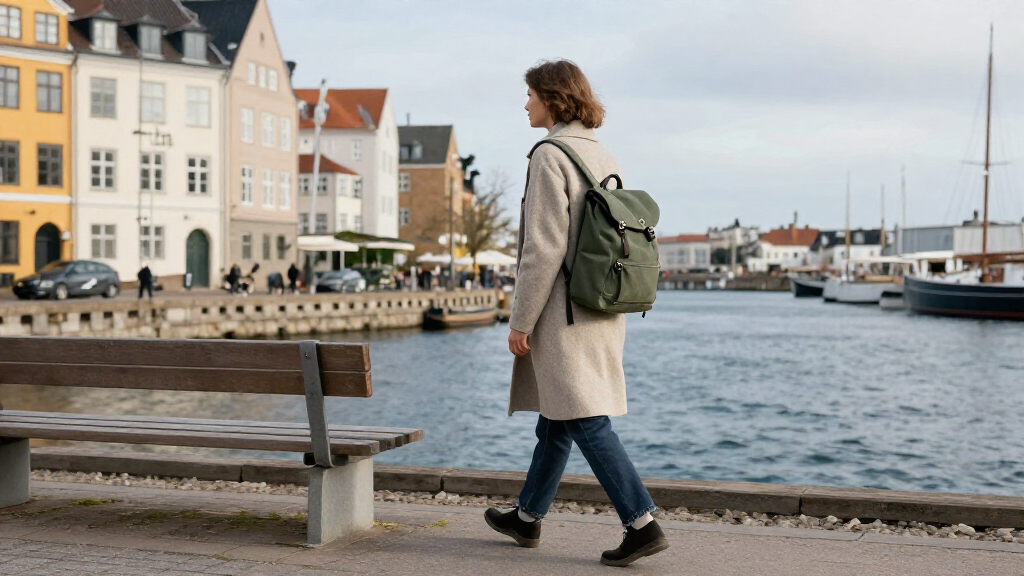
The report says its recommendations reflect elements it associates with Scandinavian dressing, including a limited color palette, layering, texture and color blocking. It frames the appeal around low-effort outfit formulas for colder weather, such as pairing familiar separates rather than building a look from many pieces. These are the author’s observations and preferences, not independently verified findings about all Scandinavian wardrobes.
The six suggestions combine clothing and accessories. The article describes a fur-trimmed longline coat as a way to add impact to winter outfits, and highlights V-neck sweaters, particularly cashmere styles. It presents a column skirt as a route to a more polished look, while a small satin drawstring pouch is offered as a minimal accessory. For layering, it recommends a fringed shawl or poncho; its final idea is a knee-length skirt styled with tights and a high-vamp pump, with retro prints as an optional detail.
Who What Wear’s report also includes product examples from a range of fashion labels for each category. Those listings illustrate the suggestions rather than establish that any particular item is required. The source does not provide prices, sales figures, or evidence that the listed products are available in every market.
Six Ideas for a Simpler Winter Wardrobe
The report’s practical value is its focus on repeatable outfit components rather than a single head-to-toe look. A coat, knit, skirt or wrap can be mixed with pieces a reader already owns, while the suggested combinations offer a starting point for dressing in colder weather. That makes the article relevant to shoppers looking for styling inspiration, even though it does not show that these choices are more popular or effective than alternatives.
Its recommendations also connect clothing choices to a broader styling approach: use layering, texture and restrained color to make relatively straightforward pieces feel considered. Readers can adapt the ideas without buying the featured products. The source does not assess affordability, sustainability, comfort, or how well the styles suit different climates and personal preferences.
Popular right now

Ninja NC501 CREAMi XL Deluxe 11-in-1 Ice Cream and Frozen Treat Maker with Two XL Containers

Samsung 85-Inch QN70H Neo QLED 4K Smart TV (2026)

Dyson Airwrap i.d. Multi-Styler for Straight and Wavy Hair
As an affiliate, we earn on qualifying purchases.
How the Report Defines Scandi Style
The source is a Who What Wear editorial shopping report titled “Lessons in Simplicity: 6 Low-Effort Scandi Trends that Look Exceptionally Sleek.” Its author describes wanting quicker outfit decisions during colder, darker days and uses that preference to introduce Scandinavian-inspired styling. The piece draws on observations of style in Stockholm and Oslo, but does not identify a research method or cite designers, retailers or fashion-industry data.
Its six categories are presented as winter 2026 inspiration, not as a ranked list or official forecast. The article links the looks to familiar wardrobe pieces and provides shopping examples, including coats, cashmere sweaters, skirts and bags. No comparison with earlier seasons or evidence of a change in sales or runway frequency is given.
“From Stockholm to Oslo, it’s a masterclass in minimal dressing.”
— Who What Wear report
Popularity and Sales Data Are Absent
The article does not establish whether these styles are widely adopted trends, how their popularity compares with previous winters, or whether retailers have seen increased demand. It offers the author’s observations and curated product examples, without survey results, sales data or a defined forecasting methodology. The source also does not give a publication date beyond identifying the report with winter 2026.
Product availability, prices and regional access are not detailed in the supplied source material. The report’s references to Scandinavian style should also be understood as editorial interpretation rather than a claim that people across the region dress uniformly.
Readers Can Adapt the Styling Ideas
The immediate next step is for readers to treat the six categories as styling prompts: compare them with pieces already in their wardrobes, then decide whether a suggested item fits their needs and budget. The report itself provides no announced follow-up, forecast update or scheduled publication to track.
Any broader claims about which looks are gaining traction would require additional evidence, such as retail sales information, a transparent consumer survey or reporting from designers and retailers. Until then, the six recommendations remain a set of editorial ideas for winter dressing rather than a measured account of market demand.
Key Questions
What six trends does the report highlight?
It lists fur-trimmed longline coats, V-neck sweaters, column skirts, drawstring pouches, fringe shawls and knee-length skirts.
Who published the winter 2026 report?
The report was published by Who What Wear. The supplied source does not state its publication date.
Does the article prove these trends are popular?
No. It gives editorial observations and shopping examples but provides no sales figures, survey results or other measurements of popularity.
Do readers need to buy the featured products?
No. The products are examples accompanying the styling suggestions. The article does not say readers need to purchase them, and the ideas can be adapted using similar items already owned.
Source: whowhatwear.com