TL;DR

Get travel and outdoor gear delivered free with Prime
- Fast, free delivery on millions of items
- Prime Video, Amazon Music and more included
- Member-only deals all year
A great family travel organizer bag combines multiple compartments, airline-compliant sizing, durable materials, and versatile features like insulated pockets and security options. Prioritize these core aspects to keep your family’s gear organized and accessible, whether flying or road-tripping.
Prioritize multiple dedicated compartments to keep family gear organized and accessible.
Always verify that the bag’s size and weight fit airline and travel mode requirements.
Choose durable, water-resistant materials to withstand the rigors of family travel.
Incorporate family-specific features like insulated pockets, wet/dry compartments, and stroller straps.
Opt for versatile, easy-to-clean designs that support both daily use and travel needs.
Top Features to Look for in a Family Travel Organizer Bag
A great family organizer combines smart compartments, airline-compliant sizing, durable materials and kid-specific extras. Here is exactly what to hunt for — so snacks, documents and diapers are never scattered across gate B24 again.
Six Pillars of a Great Family Organizer
Organization isn’t a convenience when you travel with kids — it’s infrastructure. Score any candidate bag against these six categories before you buy.
Zones for Everything
Dedicated pockets for snacks, diapers, electronics and documents stop items migrating mid-transit — and a quick-access exterior pocket puts passports and wipes one grab away.
Airline-Legal Dimensions
Too big invites overpacking and gate-check fees; too small leaves essentials behind. Aim for 20–30 L that still fits the 18×14×8 in under-seat envelope.
Built to Be Spilled On
Water-resistant nylon or coated polyester shrugs off rain, splashes and juice-box incidents. Reinforced stitching and quality hardware keep the bag alive trip after trip.
Kid-Specific Hardware
The features that separate a family organizer from a regular bag: insulated bottle pockets, wet/dry compartments, stroller straps, changing pads and a luggage trolley sleeve.
Theft-Proofing, Built In
RFID-blocking pockets shield passports and cards from electronic skimming, while lockable zippers and hidden back panels deter wandering hands in crowded terminals.
Carry It All Day
Padded adjustable straps, breathable back panels and ergonomic weight distribution matter when a theme-park day runs twelve hours. Convertible carry adds flexibility.
Organization Is a Time Machine
Compartmentalization isn’t about tidiness for its own sake — it converts directly into saved minutes and lower stress at exactly the moments travel gets hard.
Proper compartmentalization reduces packing time by at least 30% for 78% of families — making organization the single highest-leverage feature.
-
✓
Insulated bottle & snack pocketskeeps drinks cold through long airport and park days
-
✓
Wet/dry compartmentquarantines swimsuits, soiled clothes and leaky items
-
✓
Stroller straps + trolley sleevehands-free attachment to stroller or rolling suitcase
-
✓
Machine-washable, wipeable lininga top-cited priority for parents — spills are guaranteed
Backpack, Tote or Convertible?
Backpacks win on hands-free mobility in airports and theme parks; totes win on instant access. Match the carry style to the trip — or let a convertible do both.
| Feature | Backpack | Tote | Convertible |
|---|---|---|---|
| Hands-free mobilitychasing toddlers through terminals | ✓ | ✗ | ✓ |
| Quick-grab accesswipes, snacks, boarding passes | ~ | ✓ | ✓ |
| All-day carrying comfortlong walks, theme-park days | ✓ | ✗ | ~ |
| One-bag versatilitydaily use + travel in one bag | ~ | ~ | ✓ |
A family of four generates serious gear — but stay inside the 20–30 L band to remain under-seat legal.
The gap between tiers mostly reflects materials, hardware and warranty — not gimmicks.
One Airport Day, Fully Zoned
Watch how the right features fire in sequence — each compartment doing its job at exactly the right moment of the journey.
Frequently Asked Questions
The five questions parents ask most before buying — answered short.
What size bag does my family actually need?
Aim for 20–30 L depending on kids’ ages and trip length, and confirm it fits the roughly 18×14×8 in personal-item envelope to slide under the seat.
Backpack or tote — which is better?
Backpacks for hands-free mobility in airports and parks; totes for easier access on shorter outings. Match the carry style to the trip and your comfort.
Can a regular diaper bag do the job?
For quick errands, sure. Dedicated travel organizers add multi-zone compartments, security features and airline-compliant sizing — worth it for longer, complex trips.
How do I keep documents organized and secure?
Choose RFID-blocking pockets, dedicated slots for passports and boarding passes, and lockable zippers for crowded areas and security checkpoints.
Does a more expensive bag actually last longer?
Usually yes — premium bags use better materials, reinforced construction and higher-grade hardware, which pays off for frequent travelers. Budget options are fine for occasional use but tend to wear faster.
Why Multiple Compartments Make or Break Your Trip
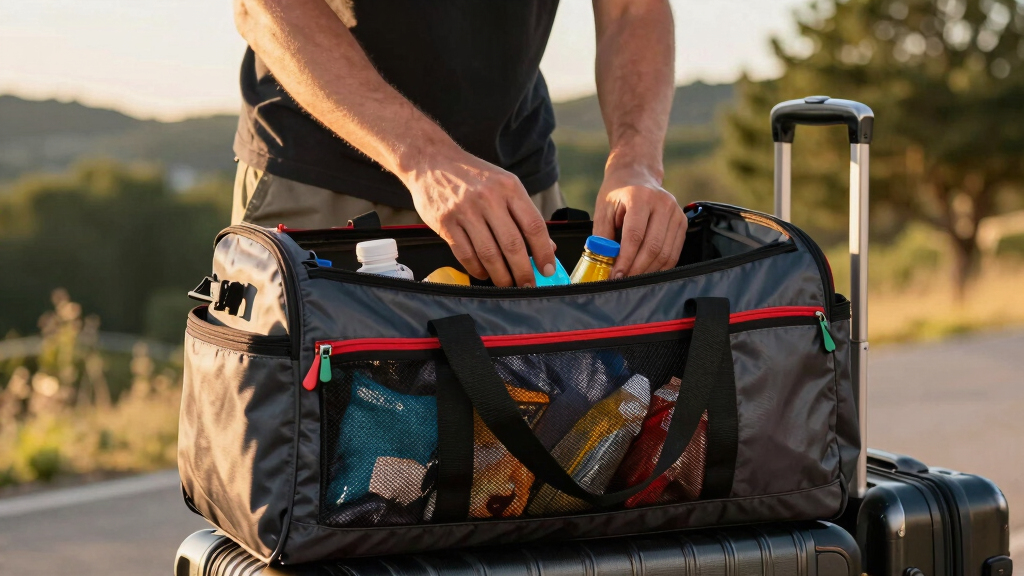
When managing a family, organization isn’t just a convenience—it’s a necessity. Multiple compartments allow you to assign specific zones for essential items, which significantly impacts your efficiency during travel. For example, having a dedicated pocket for snacks means you can grab a quick treat without rummaging through your entire bag, saving precious time. Similarly, separate zones for diapers, electronics, and documents prevent items from mixing, which reduces frustration and the risk of missing essentials during critical moments like security checks or boarding. The tradeoff, however, is that more compartments can sometimes add weight or complexity, so choosing a bag with the right balance is key. This layered organization supports smoother transitions between different travel phases, minimizes stress, and helps keep everyone’s belongings easily accessible, which ultimately enhances the overall travel experience.
Popular right now

Vitamix Touch & Go Advance 32-Ounce Bar Blender, White

De'Longhi Rivelia Automatic Espresso Machine with Grinder and Milk Frother, Beige

Bose QuietComfort True Wireless Earbuds with Active Noise Cancellation, Bluetooth 5.3, USB-C Charging, IPX4, Black
As an affiliate, we earn on qualifying purchases.
Size & Capacity: How Big Is Too Big? How Small Is Too Small?
Size isn’t just about fitting everything; it’s about balancing capacity with convenience. An overly large bag may tempt you to pack unnecessary items, leading to extra weight and potential baggage fees, while a too-small bag can leave you scrambling for essentials or forcing you to carry multiple bags. For airline travel, understanding the precise dimensions allowed—typically around 18 x 14 x 8 inches for personal items—is crucial because exceeding these limits results in additional fees or inconvenient gate checks. When selecting capacity, consider your family’s specific needs: a 20-25 liter bag usually suffices for a week-long trip with essentials, but if you’re traveling with older kids or packing for longer durations, leaning toward the higher end ensures you won’t compromise on necessities. The tradeoff here involves weighing the convenience of a smaller, lighter bag against the need for ample space, especially when packing bulky items or souvenirs. A well-chosen size supports ease of transport, reduces fatigue, and aligns with airline policies, making your journey smoother and less stressful.
Material & Durability: Will It Last Through Your Adventure?
Choosing durable materials for your family travel bag isn’t just about longevity—it’s about safeguarding your investment and ensuring your gear withstands the rigors of travel. Heavy handling, rough baggage handlers, accidental spills, and weather exposure all threaten the integrity of your bag. Water-resistant fabrics like nylon or coated polyester are essential because they protect your belongings from rain, splashes, or accidental spills, which are common in travel scenarios. Reinforced stitching and high-quality hardware such as YKK zippers add resilience and reduce the risk of tearing or malfunction during the trip. The implication of selecting sturdy materials is that your bag can endure multiple trips, rough handling, and unpredictable weather, ultimately saving you money and frustration over replacing damaged luggage. Conversely, cheaper materials may save upfront costs but often result in quicker wear and tear, leading to more frequent replacements. Investing in quality materials ensures your family’s gear remains protected, organized, and accessible, even after repeated use, which supports a more sustainable and reliable travel experience.