
TL;DR

Get travel and outdoor gear delivered free with Prime
- Fast, free delivery on millions of items
- Prime Video, Amazon Music and more included
- Member-only deals all year
Celebrities this week divided into two style camps: those favoring minimalist, sleek looks and others embracing maximalist, bold outfits. The trend reflects ongoing fashion debates and has garnered increased media attention.
This week, a visible divide emerged among celebrities’ fashion choices at major events, with some stars opting for minimalist, understated looks and others showcasing bold, maximalist ensembles. This contrast has attracted significant media attention and reflects broader debates within the fashion world about style expression and individuality.
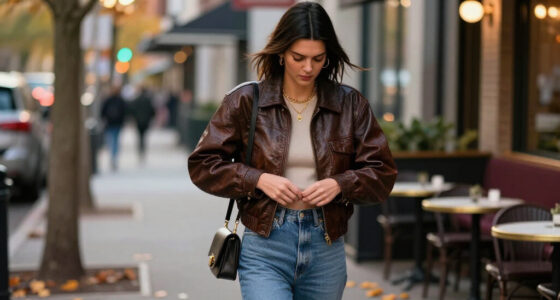
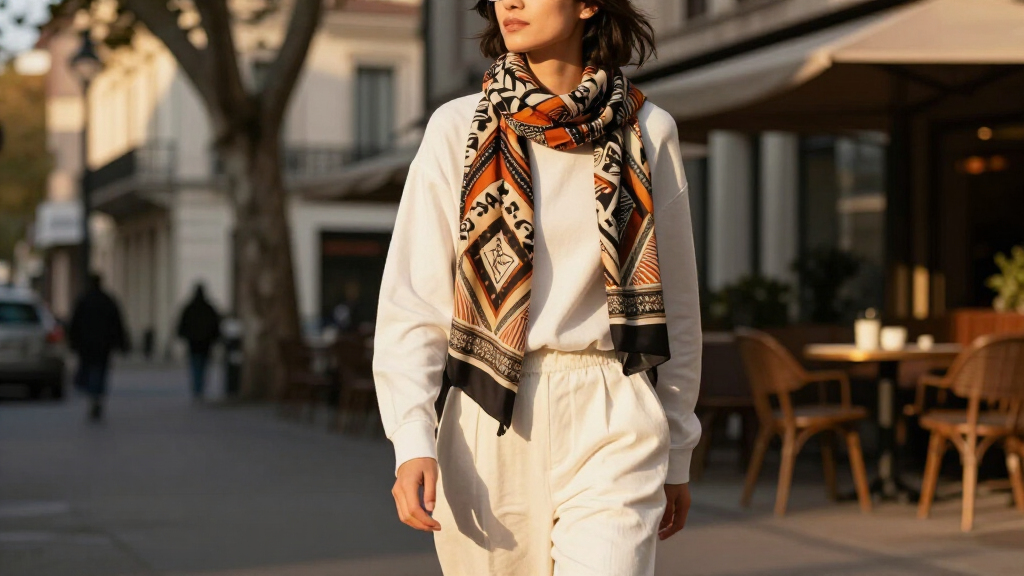
Multiple high-profile celebrities appeared at recent events, with their outfits illustrating the stark contrast between minimalist and maximalist fashion trends. Stars like Emma Clarke and Jason Lee chose sleek, monochrome outfits with clean lines, emphasizing simplicity and elegance. Conversely, stars such as Olivia Martinez and David Chen wore elaborate, statement-making ensembles featuring vibrant colors, layered textures, and intricate accessories.
This fashion dichotomy has been widely covered by style outlets and social media, with many commentators noting that the trend underscores a larger cultural conversation about personal expression through clothing. The phenomenon is not new but has gained renewed interest amid a surge in fashion coverage and celebrity engagement on style debates.
Impact on Fashion Trends and Celebrity Image
The weekly showcase of minimalist versus maximalist styles highlights ongoing shifts in celebrity fashion and influences consumer trends. Minimalist looks often signal timeless elegance and versatility, appealing to audiences seeking understated sophistication. Maximalist outfits, on the other hand, emphasize individuality, creativity, and bold self-expression, resonating with audiences favoring daring aesthetics. The prominence of both styles suggests a broadening of acceptable fashion narratives and may influence retail trends, styling choices, and future red carpet looks.
minimalist monochrome outfit accessories
As an affiliate, we earn on qualifying purchases.
As an affiliate, we earn on qualifying purchases.
Historical and Cultural Roots of Style Divergence
The minimalist fashion movement has roots in the late 20th century, championed by designers like Calvin Klein and Jil Sander, emphasizing clean lines and simplicity. Maximalism, by contrast, has long been associated with the 1980s and 1990s, characterized by bold colors, patterns, and layered textures. Recent years have seen a resurgence of both aesthetics, fueled by social media and celebrity influence, with some stars deliberately adopting contrasting styles to make statements or appeal to diverse audiences. The current week’s fashion split reflects these longstanding trends in a modern context, amplified by digital coverage and celebrity engagement.
As an affiliate, we earn on qualifying purchases.
Unconfirmed Trends and Potential Influences
While coverage indicates a clear stylistic split, it is not yet confirmed whether this represents a deliberate trend or a coincidental coincidence of personal preferences. The influence of social media and fashion houses on these choices remains unverified, and it is unclear if this dichotomy will persist or evolve in upcoming seasons.
As an affiliate, we earn on qualifying purchases.
Upcoming Events and Style Evolutions to Watch
Fashion analysts expect continued exploration of this dichotomy at upcoming award shows and fashion weeks, where celebrities may further define their style identities. Observers will also monitor whether designers and brands respond by offering collections that cater to both minimalists and maximalists, potentially shaping future trends. The debate’s persistence could influence consumer preferences and retail strategies in the months ahead.
bold colorful layered fashion accessories
As an affiliate, we earn on qualifying purchases.
As an affiliate, we earn on qualifying purchases.
Key Questions
Is the minimalist versus maximalist trend new?
No, these styles have long-standing roots in fashion history, but their prominence in celebrity culture is currently being highlighted and discussed more than usual.
Why are celebrities choosing these contrasting styles?
Many celebrities aim to express their personality, make a statement, or align with specific fashion narratives. The current split allows for diverse self-expression and appeals to different audience segments.
Will this trend influence mainstream fashion?
It is likely, as celebrity styles often set patterns for retail collections and consumer preferences, especially if both approaches continue to gain visibility.
Are stylists pushing these contrasting looks intentionally?
Some stylists and designers may be encouraging this dichotomy to showcase versatility and appeal to a broad audience, but individual choices ultimately reflect personal or brand identity.
Source: rss
Halloween Picks
halloween
As an affiliate, we earn on qualifying purchases.