
TL;DR
The Dr Pepper Museum in Texas has seen a significant increase in global media coverage, with 12 mentions recorded recently. This surge indicates rising international interest in the museum and its cultural significance.
The Dr Pepper Museum in Texas has seen a surge in global media coverage, with 12 mentions recorded in recent days, according to the GDELT database. This increase highlights growing international interest in the museum, known for its historical significance in American soft drink culture. It may also be related to the rising global coverage of destinations like Redwoods, California.
According to data from the GDELT project, which monitors worldwide media coverage, the Dr Pepper Museum has been mentioned 12 times within a recent reporting window. This number represents a significant rise compared to previous periods, where mentions were minimal or absent.
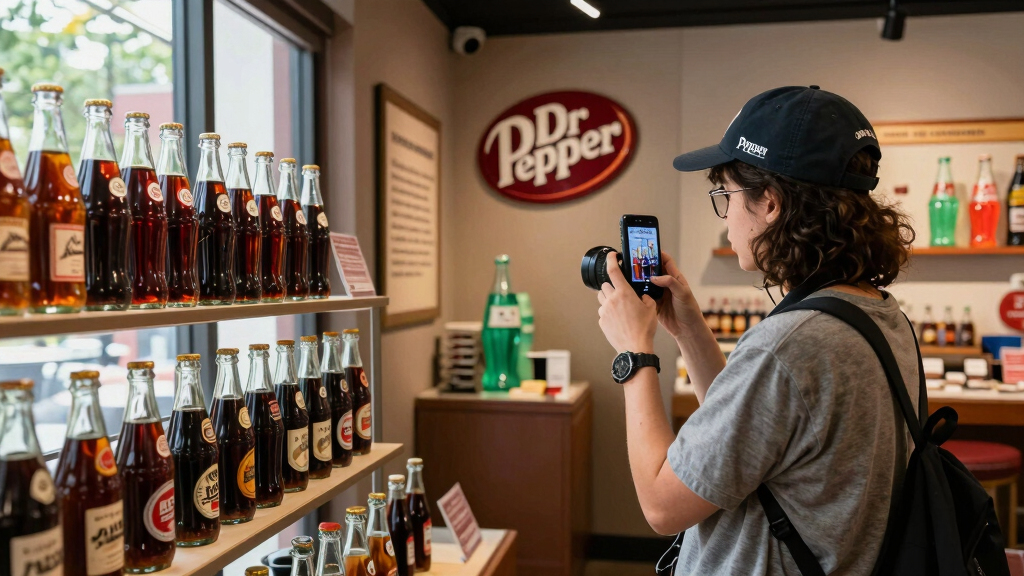
The museum, located in Waco, Texas, is dedicated to the history of the Dr Pepper soft drink and features exhibits on its origins, branding, and cultural impact. The recent coverage includes articles, social media posts, and international news outlets referencing the museum’s history and its role in American beverage culture.
Experts suggest that this surge may be linked to increased promotional efforts, special exhibitions, or a broader trend of international curiosity about American cultural landmarks, similar to the recent coverage of Tracy Arm, Alaska. The exact reasons for the spike are still being analyzed, and the media outlets involved have not issued official statements explaining the coverage increase.
Implications of the Media Surge for the Museum
This heightened media attention could lead to increased international tourism and recognition for the Dr Pepper Museum. Greater global coverage may enhance its status as a cultural and historical site, attracting visitors from outside the United States and boosting local economic activity.
Furthermore, the surge underscores a broader trend of increased global interest in American brands and cultural landmarks, which could influence future marketing and exhibit strategies for the museum. It also highlights the power of media analysis tools like GDELT in tracking cultural and tourism trends worldwide.
As an affiliate, we earn on qualifying purchases.
Recent Trends in Media Coverage of American Cultural Sites
The Dr Pepper Museum has historically been a regional attraction, primarily known within Texas and the southern United States. However, recent data from GDELT shows a notable increase in international mentions, suggesting a shift towards broader global awareness.
This rise coincides with a period where American cultural and historical sites have gained increased attention due to social media, international tourism campaigns, and interest in American history and brands. The GDELT database, which tracks media mentions across various platforms worldwide, recorded 12 mentions of the museum in a recent window, compared to minimal prior coverage.
It remains unclear whether this surge is linked to specific events, such as anniversaries, new exhibitions, or promotional campaigns, or if it reflects a broader pattern of rising interest in American cultural landmarks.
“We are pleased to see increased international attention. It reflects the growing recognition of our museum’s role in American beverage history.”
— Museum Director, Waco
As an affiliate, we earn on qualifying purchases.
Unclear Reasons Behind the Media Coverage Increase
It is not yet confirmed what specific factors triggered the recent surge in media mentions. No official statements have been issued by the media outlets or the museum explaining the spike. The reasons could include promotional campaigns, anniversaries, or organic interest driven by social media trends.
Further analysis is needed to determine whether this is a temporary spike or part of a sustained increase in international interest.
American soft drink history exhibits
As an affiliate, we earn on qualifying purchases.
As an affiliate, we earn on qualifying purchases.
Next Steps for Monitoring Media and Visitor Trends
The museum and media analysts will likely monitor ongoing media coverage to assess whether the trend continues. The museum may also consider launching targeted international marketing efforts to capitalize on this attention.
Additionally, tourism organizations and cultural institutions may track visitor data to see if international interest translates into increased visitation, especially from abroad. Follow-up reports are expected in the coming months to evaluate the impact of this media surge.
As an affiliate, we earn on qualifying purchases.
Key Questions
Why has the Dr Pepper Museum gained more international attention recently?
The specific reasons are unclear, but potential factors include promotional efforts, anniversaries, or social media-driven interest. Ongoing analysis is needed to confirm.
What is GDELT, and how does it measure media coverage?
GDELT is a global media database that tracks mentions of topics across news outlets, social media, and other platforms worldwide. It provides data on media trends and coverage volume.
Could this media surge lead to more international visitors?
If the trend continues and translates into interest, the museum could see increased international tourism, but this remains to be confirmed through visitor data.
Are there any upcoming events at the museum that might explain the coverage?
It is not yet confirmed whether specific events or exhibitions are responsible for the surge. The museum has not announced any major upcoming events linked to this coverage increase.
How long might this media attention last?
The duration of the surge is uncertain. It could be temporary or part of a longer-term trend, depending on subsequent media activity and promotional efforts.
Source: gdelt