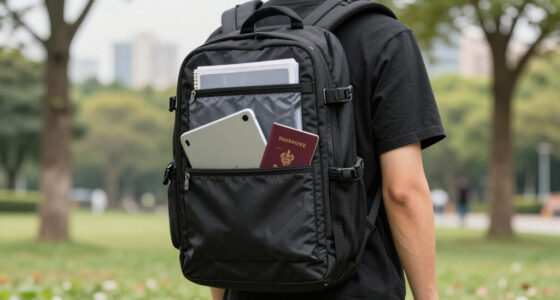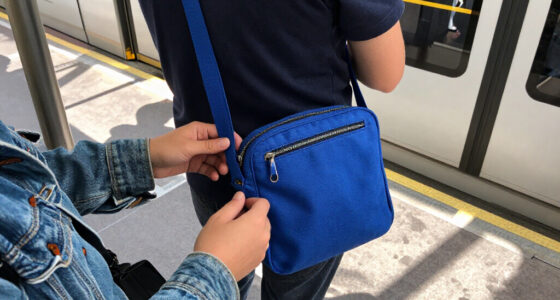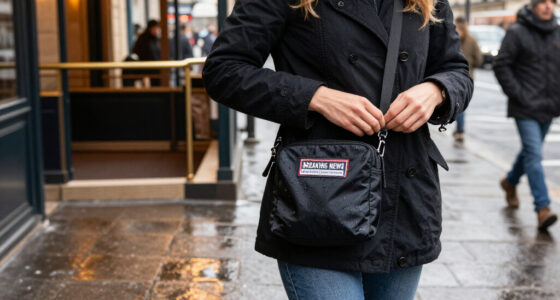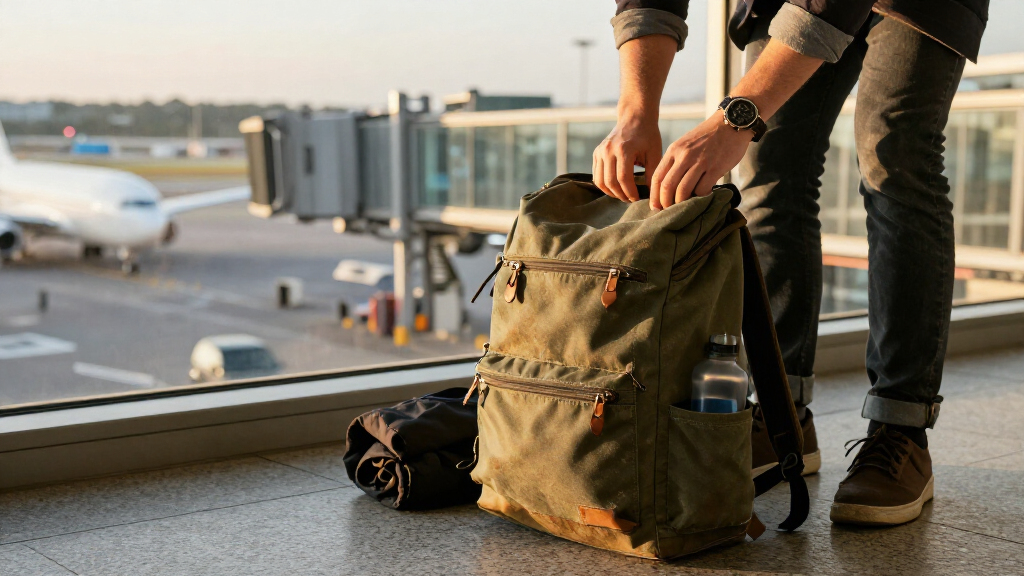

Compact carry-on backpacks fall into two useful categories: personal-item bags designed to fit beneath an airline seat, and larger cabin backpacks intended for the overhead bin. They are often compared because both can travel without being checked, but they solve different packing problems. The smaller bag can help travelers avoid overhead-bin fees or keep essentials close, while the larger one can replace a roller bag for a short trip. Choose a personal-item pack if you can pack light or want a second bag alongside a suitcase. Choose an overhead-bin pack if carrying more in one bag matters more than keeping it under the seat. The decisive tradeoff is capacity against dependable under-seat fit.

Get travel and outdoor gear delivered free with Prime
- Fast, free delivery on millions of items
- Prime Video, Amazon Music and more included
- Member-only deals all year

Women’s 25L Carry-On Travel Backpack
- ✔ Capacity: 25 liters
- ✔ Dimensions: 16.9 × 11.4 × 7.5 inches
- ✔ Weight: 0.93 kg
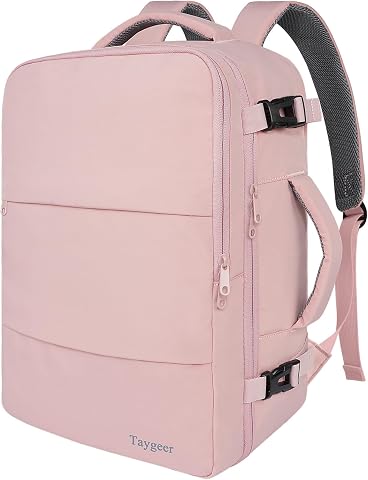
Taygeer Travel Backpack for Women, Carry-On with 15.6-Inch Laptop Compartment
- ✔ Capacity: 35 liters
- ✔ Dimensions: 16.8 × 11 × 7 inches
- ✔ Weight: 0.79 kg (1.74 lb)

Taygeer Travel Backpack for Women, 35L Carry-On Personal Item Bag
- ✔ Capacity: 35 liters
- ✔ Dimensions: 16.8 × 11 × 7 inches
- ✔ Weight: 0.79 kg
At a Glance
| Criteria | Personal-item compact backpack | Overhead-bin carry-on backpack | Winner |
|---|---|---|---|
| Typical capacity | Usually about 15–25 L; varies by model | Usually about 25–40 L; varies by model | B |
| Under-seat fit | Designed for under-seat storage, though airline limits and loaded shape matter | May fit beneath some seats when lightly packed, but not a reliable assumption | A |
| Overhead-bin use | Can be used in the overhead bin, but gives up its main space advantage | Designed for cabin-bag storage in the overhead bin, subject to airline limits | B |
| Packing flexibility | Requires a lean packing list and careful use of space | More room for clothes, shoes, and trip gear | B |
| Carrying comfort | Often lighter, but compact straps and limited structure can constrain comfort | Often has more substantial straps and support, though the extra weight matters | Depends |
| Airport access | Keeps essentials within reach without depending on overhead-bin space | May need to go overhead during boarding and takeoff | A |
| Value | Best when it avoids a paid cabin bag or works as a second bag | Best when its capacity replaces a suitcase or checked bag | Depends |
Women’s 25L Carry-On Travel Backpack
For travelers who want a bag to behave more like a small suitcase, this 25L backpack is the clearest fit in the lineup. Its suitcase-style main compartment and internal straps help keep folded clothes in place, which makes packing and unpacking more orderly than the more compartment-driven Taygeer 35L models. The eight pockets and separate padded laptop compartment also give everyday items their own places without relying on a larger overall capacity.That lower capacity is the point, but it is also the main tradeoff: travelers packing bulky layers or several days of gear may find the 35L Taygeer options more forgiving. The bag has a shoe bag and a trolley sleeve, plus a hidden back pocket and chest strap. Its USB port provides access for a charging setup, but the bag does not include a power bank or cable. The water-resistant lining pocket and polyester exterior can help with damp conditions, yet the supplied details do not describe the backpack as waterproof.Among the three, this is the most balanced choice when compact proportions and structured packing matter more than squeezing in extra volume. It is also the easiest to care for: the instructions call for wiping with a damp cloth, whereas both Taygeer models require hand washing. We would still confirm the exact airline allowance before treating it as a personal item.
Pros:
- Suitcase-style main compartment with internal straps helps secure packed clothes.
- Separate padded laptop compartment fits devices up to 15.6 inches.
- Trolley sleeve, shoe bag, hidden back pocket, and chest strap support travel organization.
- Wipe-clean care is simpler than the hand-wash instructions for the 35L alternatives.
Cons:
- At 25 liters, it offers less stated capacity than either 35L Taygeer.
- USB access port does not include a power bank or cable.
- Water-resistant materials should not be treated as fully waterproof.
Best for: Travelers who prefer suitcase-style packing, a dedicated laptop compartment, and a lower-capacity bag that is easy to wipe clean.
Not ideal for: Travelers who need the extra 10 liters of stated capacity offered by either Taygeer, or expect the USB port to provide power without their own accessories.
Bottom line: We rank this first for compact carry-on travel because it combines a lower capacity with structured suitcase-style packing and practical airport features.
“We rank this first for compact carry-on travel because it combines a lower capacity with structured suitcase-style packing and practical airport features.”
Taygeer Travel Backpack for Women, Carry-On with 15.6-Inch Laptop Compartment
This Taygeer is for travelers who want the 35L capacity of a larger carry-on backpack and appreciate having accessories for keeping separate items apart. Its three main compartments, wet pocket, and included shoe bag make it more specific in its organization than the 25L option, which instead emphasizes a suitcase-style compartment with securing straps. The laptop compartment fits devices up to 15.6 inches, matching the stated laptop capacity of the other two picks.Its convertible carry setup is useful when shoulder straps are not the most convenient option: it has adjustable backpack straps and padded top and side handles, along with a luggage strap for attaching it to a rolling suitcase. The listed weight of 0.79 kg is also lower than the 25L model’s 0.93 kg. But a light bag can still become a heavy load when packed, and this model specifies a maximum recommended weight of 10 kg. That limit matters for travelers tempted to fill all 35 liters with dense items.Compared with the newer four-compartment Taygeer, this version gives us a stated shoe bag and 12 zippered compartments, while the newer model’s standout is its fourth main compartment. Its drawbacks are practical: care is hand wash only, and the supplied specifications describe a polyester bag with water resistance rather than waterproof protection. We would pick it for flexible organization and carrying options, provided the load stays within its stated recommendation.
Pros:
- 35L capacity with three main compartments and multiple pockets for separating trip essentials.
- Includes a shoe bag and a wet pocket to help keep damp items apart.
- Adjustable backpack straps, padded handles, and a luggage strap provide flexible carrying.
- Listed weight is 0.79 kg, and the padded laptop compartment fits devices up to 15.6 inches.
Cons:
- Maximum recommended load is 10 kg, which can constrain use of its full capacity.
- Hand wash only makes care less convenient than the 25L model.
- Water resistance does not mean the bag is waterproof.
Best for: Travelers who want a lightweight 35L bag with a shoe bag, wet pocket, laptop storage, and backpack-to-handbag carrying options.
Not ideal for: Anyone who wants a lower-capacity compact pack, simple machine-friendly care, or plans to carry more than the stated 10 kg recommendation.
Bottom line: We recommend this as the value-oriented 35L choice for travelers who will use its shoe bag, wet pocket, and multiple carry modes.
“We recommend this as the value-oriented 35L choice for travelers who will use its shoe bag, wet pocket, and multiple carry modes.”
Taygeer Travel Backpack for Women, 35L Carry-On Personal Item Bag
Where the other 35L Taygeer divides storage across three main compartments, this model provides four main compartments. That extra section can make it easier to assign different zones to clothing, travel accessories, and other essentials, especially for travelers who dislike digging through one large space. It keeps the same broad carry-on profile as the lineup, lists a padded laptop compartment for devices up to 15.6 inches, and includes a separate wet pocket.The capacity and exterior dimensions closely match the other Taygeer, so we would choose between them based on organization rather than size. The B09MQWWP87 model expressly includes a shoe bag, lists 12 zippered compartments, and states a 10 kg recommended maximum load. Those details are not provided for this model. In return, the B0FPX2T3R9 lists four main compartments, giving it the clearest role for people who value a greater number of large sections. Its adjustable straps, dual handles, and luggage strap also preserve the flexible carry style found on its sibling.There are limits to that versatility. Both 35L Taygeer backpacks require hand washing, and the non-stretch polyester fabric will not flex around an overfilled load. The stated water resistance is useful context for light exposure but is not a promise of waterproof performance. Its 35 liters may also be more capacity than a compact-travel buyer needs; the 25L backpack is a more restrained choice for shorter, lighter packing lists.
Pros:
- Four main compartments create more large-section organization than the three-compartment Taygeer.
- 35L capacity with a separate wet pocket and nine pockets for travel essentials.
- Adjustable shoulder straps, dual handles, and a luggage strap support different carrying situations.
- Padded laptop compartment fits devices up to 15.6 inches.
Cons:
- Hand wash only is less convenient than the 25L backpack’s damp-cloth care.
- Non-stretch fabric offers little give if the bag is packed tightly.
- A shoe bag and maximum recommended load are not specified in the supplied details.
Best for: Travelers who want a 35L carry-on backpack and prefer four main compartments for separating their belongings.
Not ideal for: Packers who want a specifically listed shoe bag or maximum load recommendation, need easy-care cleaning, or want the smallest capacity in this comparison.
Bottom line: We would choose this Taygeer over its three-compartment sibling when four distinct main sections matter more than a stated shoe bag or load limit.
“We would choose this Taygeer over its three-compartment sibling when four distinct main sections matter more than a stated shoe bag or load limit.”
As an Amazon Associate we earn from qualifying purchases.
Key Differences
The most important difference is how much space the bag can claim. A personal-item backpack is built around the under-seat footprint, so its capacity is limited by dimensions as well as volume. A larger overhead-bin pack can carry more clothing and trip gear, but its size makes under-seat storage uncertain. Airline rules differ, and even a bag that meets a published limit can become too bulky when its pockets are full.
That difference changes the whole airport routine. With a personal item, essentials remain close and the bag can be a useful companion to a suitcase. With an overhead-bin backpack, you can often travel with one bag, but you may need access to the overhead bin and must manage a heavier load on your back. Paying for more capacity makes sense when it replaces another bag; it is poor value if you routinely pack light or need the bag to fit beneath the seat.
Detailed Comparison
Capacity (Overhead-bin carry-on backpack wins — major)
The overhead-bin backpack wins by a clear margin, commonly offering around 25–40 L compared with roughly 15–25 L for a personal-item pack. Exact capacity depends on the model and how the maker measures it. In practice, the larger format gives room for extra outfits, bulkier layers, or a second pair of shoes. The personal-item format rewards a short packing list and can still handle essentials for a brief trip.
Under-seat fit (Personal-item compact backpack wins — major)
The personal-item backpack is the better choice when under-seat storage is a requirement. Its smaller dimensions are intended for that space, though airline allowances, seat layouts, and how tightly the bag is packed all matter. A larger pack may squeeze beneath a roomy seat, but buyers should not count on that across different aircraft. This is a major practical gap for travelers seeking to avoid overhead-bin use or baggage charges.
Overhead-bin use (Overhead-bin carry-on backpack wins — moderate)
The overhead-bin backpack wins because its dimensions allow substantially more packing space while remaining within the cabin-bag category for many airlines. Capacity is not permission to ignore airline limits: check the specific carrier’s allowance, particularly for budget fares. A compact personal-item pack can go overhead too, but using the bin for it consumes space while leaving its core under-seat advantage unused.
Packing flexibility (Overhead-bin carry-on backpack wins — moderate)
The larger backpack is easier to pack for varied plans. It can accommodate clothes for a longer weekend, weather layers, or equipment that would crowd a compact bag. That flexibility also encourages overpacking and adds weight. The personal-item pack wins for disciplined travelers who want a smaller load, but packing bulky items can quickly use its limited space. The gap is moderate to major, depending on trip length and what you carry.
Carrying comfort (moderate difference)
There is no automatic winner. A small pack is lighter and less tiring when its load stays modest, but some compact designs have thinner straps or less structure. Larger packs often provide more supportive harnesses, yet carry more weight and can feel cumbersome in crowded terminals. Comfort depends on the actual model, fit, load, and time spent walking. Compare strap design and back support, then judge the bag at the weight you expect to carry.
Airport access (Personal-item compact backpack wins — moderate)
The personal-item backpack wins on ready access because it can stay beneath the seat during the flight, keeping permitted essentials nearby. The overhead-bin pack may need to be stowed above, which can make retrieving items inconvenient and may be restricted during takeoff and landing. The larger bag wins if having everything in one pack matters more than access in flight. This is a moderate difference for travelers who frequently need a laptop, medication, or other permitted items.
Value (moderate difference)
Value depends on what the pack replaces. A personal-item bag can save money when it qualifies as the included under-seat allowance, but check the fare rules and dimensions before booking. A larger backpack can justify a higher purchase price if it lets you avoid checking a suitcase or carry everything in one cabin bag. Paying more just for unused capacity is not a good deal. The winner depends on travel habits, airline charges, and the bag’s price.
Personal-item compact backpack: Pros and Cons
Pros:
- Designed around under-seat storage
- Keeps essentials close during the flight
- Lighter and easier to manage in tight spaces
- Can be a useful personal item alongside a suitcase
Cons:
- Limited room for bulky clothing or extra shoes
- Requires more careful packing for longer trips
- May have less supportive straps than a larger travel pack
- Airline dimensions and seat layouts still determine actual fit
Overhead-bin carry-on backpack: Pros and Cons
Pros:
- Carries more clothing and trip gear
- Can replace a roller bag for travelers who pack in a backpack
- Offers greater flexibility for longer or less predictable trips
- Often has more room for organization and support features
Cons:
- Cannot be relied on to fit beneath the seat
- May require an overhead-bin allowance or fee
- Extra capacity can mean extra weight and bulk
- Overhead storage makes in-flight access less convenient
Who Should Choose What
Choose Personal-item compact backpack if:
- You want a bag intended to fit under the seat and will check the airline’s size limit.
- You already bring a suitcase and need a compact personal item.
- You pack light for short trips and want essentials accessible during the flight.
Choose Overhead-bin carry-on backpack if:
- You want one backpack to carry clothes and gear for a short trip.
- You prefer a backpack to a roller bag and have an overhead-bin allowance.
- Extra packing room is worth carrying a larger, heavier bag.
Skip both if: You need substantial luggage capacity but cannot lift or comfortably carry a backpack; compare a checked suitcase or a wheeled cabin bag instead.
Value for Money
Pay more for an overhead-bin backpack when the extra space lets you leave another bag at home. The upgrade can be worthwhile for travelers who routinely carry several days of clothing and want to move through the airport with one pack. It is less compelling if the bag will be only partly filled or if the airline charges separately for overhead-bin baggage.
A personal-item backpack can be the better value when its dimensions meet the allowance included with your ticket and its smaller capacity matches your trips. Check the carrier’s current rules before buying: allowances vary by airline, fare, and route. Compare the bag’s packed dimensions, not only its advertised volume, and include any likely baggage fee in the total cost.
Final Verdict
For travelers who pack light, want under-seat storage, or need a second bag, choose the personal-item compact backpack. For travelers replacing a suitcase on a short trip, choose the overhead-bin carry-on backpack if the fare includes or justifies its cabin-bag allowance. The biggest deciding factor is whether you need the larger capacity enough to give up the dependable under-seat fit. Most frequent light packers will get more useful everyday value from the smaller format; travelers carrying several days of clothing will find the larger pack more practical.
Frequently Asked Questions
Can a compact carry-on backpack fit under an airplane seat?
A personal-item model is designed for under-seat use, but fit depends on the airline’s size allowance, aircraft, seat layout, and how full the bag is. Check the airline’s current dimensions before travel.
Is a personal-item backpack enough for a weekend trip?
It can be, if you pack a small wardrobe and avoid bulky extras. The available room varies by model, and shoes, jackets, or specialized gear can make a compact pack feel full quickly.
Is an overhead-bin backpack worth paying more for?
Yes when its extra capacity lets you travel without another bag and the cabin-bag allowance is included or costs less than your alternatives. It is harder to justify if you pack light or would pay an added fee just to use the overhead bin.
Should I choose a backpack or a small roller bag?
Choose a backpack if you expect stairs, uneven surfaces, or lots of walking and can carry the load comfortably. A roller bag may suit heavier packing or users who prefer not to carry weight on their shoulders.
Black Friday Picks

Sony WH-1000XM4C (M4 2nd Gen) Wireless Noise-Cancelling Headphones, Black
As an affiliate, we earn on qualifying purchases.