
TL;DR

Get travel and outdoor gear delivered free with Prime
- Fast, free delivery on millions of items
- Prime Video, Amazon Music and more included
- Member-only deals all year
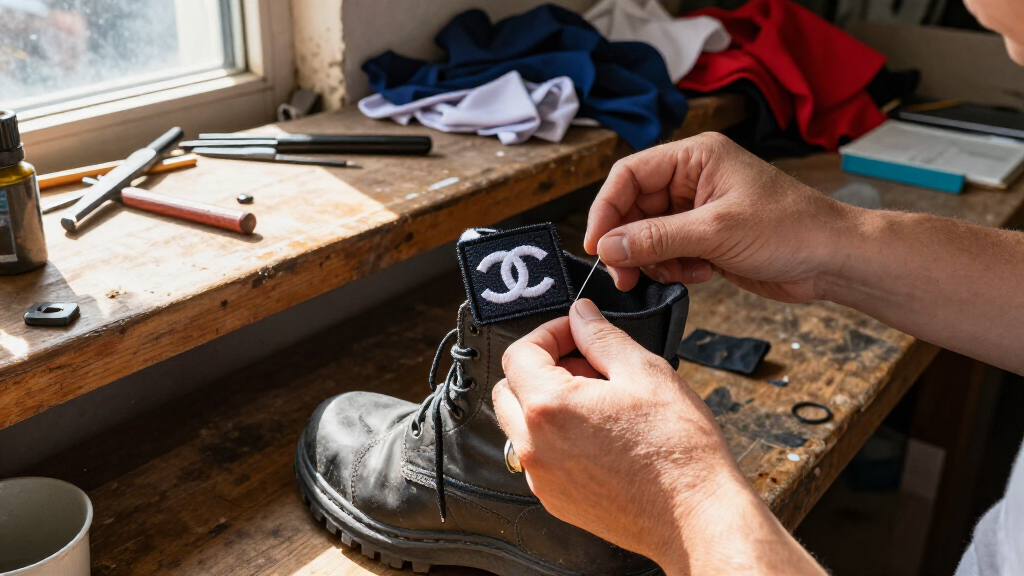
Nike paid an artist to build a counterfeit Chanel store as part of a marketing stunt. The move raises questions about brand collaboration and creative advertising. Details remain unconfirmed, but interest is rapidly growing.
Reports indicate that Nike has paid an artist to build a counterfeit Chanel store, a move that has sparked significant online discussion about branding, marketing, and the boundaries of advertising. This development is confirmed through trending reports and social media chatter, but official statements have not been made. The incident highlights how major brands are experimenting with unconventional promotional tactics, even involving counterfeiting as a form of artistic expression or marketing stunt.
The core confirmed fact is that Nike engaged an artist to create a replica of a Chanel storefront, which appears to be a deliberate imitation rather than an authorized partnership. The project was reportedly commissioned as part of a marketing campaign or artistic statement, though details about the intent remain unverified. Social media posts and industry insiders suggest that the fake Chanel store was constructed in a public space, attracting attention from passersby and online viewers alike.
Sources indicate that the artist involved specializes in street art and conceptual installations, and that the project was carried out under the auspices of Nike’s marketing team or a related creative agency. The move has ignited debate about the use of counterfeit branding in advertising, with some viewing it as provocative art and others as potentially damaging to brand integrity. No official confirmation from Nike or Chanel has been issued, and it is unclear whether this was a one-time stunt or part of a broader campaign.
Why Nike’s Fake Chanel Store Sparks Industry Debate
This incident underscores how brands are increasingly adopting unconventional and provocative marketing strategies to generate buzz and engage audiences. By commissioning a counterfeit Chanel store, Nike may be testing the boundaries of legal and ethical marketing practices, blurring the lines between art, parody, and commercial promotion. The move also raises questions about intellectual property, brand authenticity, and the impact of such stunts on consumer perceptions. For viewers and industry observers, it highlights a growing trend of brands using provocative art to challenge traditional advertising norms and capture attention in a crowded media landscape.
Popular right now

Ninja Flip Toaster Oven and Air Fryer, 8-in-1, Stainless Steel, SP151

iRobot Roomba Max 715 Pet Robot Vacuum with AutoEmpty Dock
Apple AirPods Pro 3 Wireless Earbuds with Active Noise Cancellation
As an affiliate, we earn on qualifying purchases.
Rise of Controversial Marketing and Artistic Stunts
In recent years, brands have increasingly turned to edgy, unconventional campaigns to stand out, often involving collaborations with artists or provocative installations. The use of counterfeit branding or imitation stores is a relatively new phenomenon, sometimes sparking legal disputes but also generating significant media buzz. The current trend reflects a broader shift towards experiential marketing, where the line between advertising and art is intentionally blurred. This particular stunt, involving Nike and a fake Chanel store, appears to be part of this larger movement, though the specifics and motivations remain unconfirmed.
Interest in this topic has surged on social media and industry forums, driven by speculation about the strategic purpose behind the stunt. Some analysts suggest it could be a commentary on luxury branding, consumer culture, or the value of authenticity in marketing. However, without official confirmation, the true intent and scope of the project remain uncertain.
Unconfirmed Details and Legal Implications
It is not yet clear whether Nike’s involvement was purely artistic or if there are deeper strategic motives. The legal status of the counterfeit store and potential intellectual property issues remain unverified. Nike and Chanel have not issued official statements addressing the project, and the artist involved has not publicly commented. The scope, duration, and purpose of the stunt are still under investigation, leaving many questions unanswered about its legality and broader implications.
Next Steps and Industry Reactions
Further details are expected to emerge as brands and legal authorities potentially respond to the stunt. Industry insiders will likely analyze the campaign’s impact on brand perception and marketing trends. Nike may issue a statement clarifying its involvement, or legal action could follow if copyright infringement is confirmed. Observers will watch to see if this represents a new form of guerrilla marketing or a one-off artistic experiment, and whether other brands adopt similar tactics.
Key Questions
Why would Nike create a fake Chanel store?
While unconfirmed, it is believed that Nike commissioned the project as a provocative marketing stunt or artistic statement aimed at challenging traditional branding norms and generating buzz.
Is this legal or considered copyright infringement?
The legality is uncertain; creating a counterfeit store may infringe on intellectual property rights, but no official legal action has been publicly reported at this time.
What does this mean for Chanel and luxury branding?
The stunt raises questions about authenticity, imitation, and the boundaries of marketing within the luxury sector, prompting industry debate about intellectual property and brand protection.
Will Nike face legal consequences?
It is too early to tell. Legal proceedings could be initiated if copyright or trademark violations are confirmed, but no official action has been announced.
Could this be part of a larger trend?
Yes, it may signal a shift towards more provocative, art-based marketing strategies that blur the line between advertising and social commentary, though confirmation is pending.
Source: rss